
Cnoc a Locha Knockalough
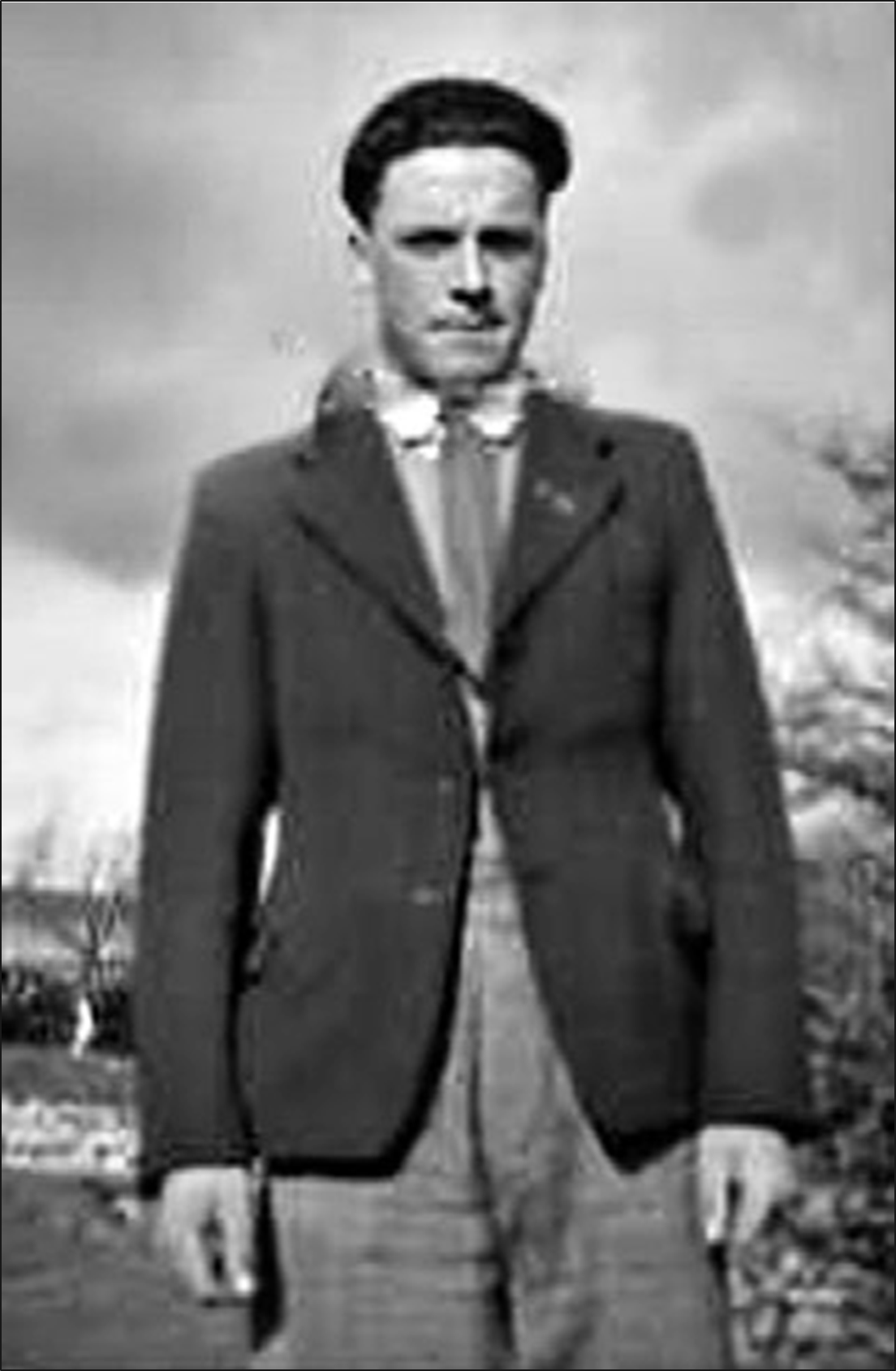
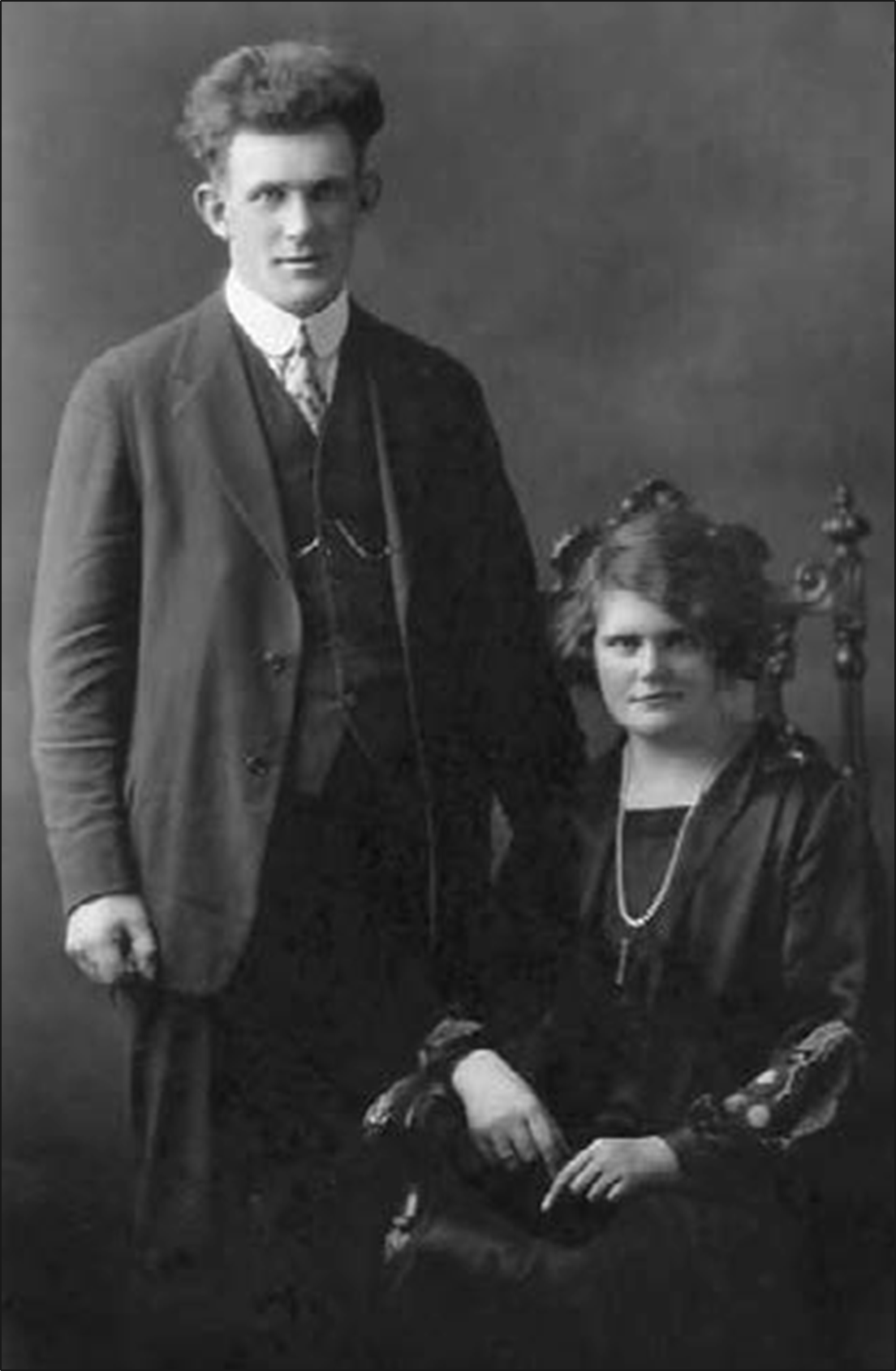
Cnoc an Locha /Knockalough
Knockalough/Cnoc an Locha, is a small farming, Gaeltacht, townland in the, Taobh Garbh, side of the Civil and Roman Catholic parish of Moycullen in County Galway. It is located at 53° 18′ 8″ N, 9° 15′ 43″ W. It is situated south of the parish bounded on the north by Finisklin, Knock to the south, Loughwell to the east, Shannagurraun and Slieveaneena to the west. It is located 15km from, Galway city, via the L-1355 road, 5.5km from Moycullen and 6.5km from Spiddal. Knockalough. The total area is 1100 acres /1.27 square miles. Knockalough is part of the Moycullen bogs Natural Heritage Area.
Topography and Features
Knockalough is on an elevated site, with panoramic views over Galway Bay and The Burren. The townland consists of one southwest (NE-SW) oriented, drumlin of arable land and surrounded by blanket bog and forestry. There is a small portion of this townland cultivated. The greatest portion of it is a heathy moorish wet pasturage
This townland contains Loch Chnoc an Locha, which is the second largest lake of Moycullen. It is renowned for its brown trout. Also Loch Cam (The Crooked Lake), Loch Chnoc an Tí, and Loch na Sceiche Báine/Lough Nahaskanabaunia (The Lake of the White Eel). There are two streams An Sruthán Beag/Small Stream, and An Sruthán Cam/Crooked Stream. View- Logainm.ie
The Origin of the name Cnoc a Locha
Cuirtear an t-anim Cnoc an Locha ar an mbaile seo agus tá go leor cnoic agus uiscí le fail ann. Tá an dara loch is mó sa pharóiste ann agus tá cáil ar an mbreac rua a fhaightear ansin.
From the Irish words cnoc an locha we get the meaning of this townland which is ‘hill of the lake’.
Land Ownership and Tenants
Down Survey 1656-1658.
The Down Survey was a cadastral survey of Ireland carried out by William Petty, English scientist in 1655 and 1656.The survey was apparently called the “Down Survey” by Petty because the results were set down in maps; ‘admeasurement down’ was used; it is referred to by that name in Petty’s will.
The Down Survey Map 1641 (pre-Cromwell) states that the owners were Murragh Henry (Catholic) James Reagh Darcy (Catholic).
It is presumed that the O’Flaherty clan would have been the landlords before that date. The Down Survey Map 1670 (post-Cromwell) states that ownership of the lands had changed and now belonged to Walter Blake (Protestant). It showed unprofitable land seventy-one plantation acres, profitable land fifty-six acres and forfeited fifty-six plantation acres.
Tithe Applotment Books (1828)
According to the Tithe Applotment Books the landlord was – Directors of the Law Life Assurance Co, and Francis Connolly was a tenant .
Land Valuation Records (Available in Valuation Office, Abbey St. Dublin)
The Valuations are only available at the Valuation Office in Dublin.
Census Information
Blake Census
The Blake Census was the work of Francis Xavier Blake, the Parish priest in Moycullen between 1792 and 1825. The data for this townland is included in ‘Mountain’ area records.
Census 1841 to 1891
The only records available for Knockalough for the period between 1841 and 1891 are the total number of houses and population:
Year |
Houses |
Population |
1841 |
3 |
21 |
1851 |
2 |
17 |
1861 |
6 |
32 |
1871 |
4 |
31 |
1881 |
4 |
29 |
1891 |
4 |
20 |
The Griffith Valuation Records (1847 – 64) – Sheet numbers 80&81
The Griffith’s Valuation records (1855) show that the total Annual Valuation of Ratable Property in Knockalough in 1855 was £18 nineteen shillings 0d (pence). Made up of two households, as follows: Patrick Faherty Bartho (Herds hse & lands), £5.13 shillings 0d (pence) and Francis Conneely, £12, six shillings 0d. There were 1121 acres including eighty-five acres of water.
1901 Census (Spiddal DED)
There were 5 households in Knockalough in 1901. There were twenty-seven inhabitants, twelve were male and fifteen were female. All occupants were farmers and Roman Catholics. The heads of households were:
Thomas Barrett, Nicholas Barrett, John King, Patrick King, and Edward Faherty.
They all listed their occupation as farmers, and all showed their religion as Roman Catholic. Most adults could speak Irish and English and some of the adults could not read or write. All the dwellings had walls of stone, brick or concrete and a thatched roof. There are none of those families in Knockalough anymore.
1911 Census (Spiddal DED)
There were five households in Knockalough in 1911. There were twenty-nine inhabitants, sixteen were male and thirteen were female. The heads of households were:
Thomas Barrett, Nicholas Barrett, Honor King, Patrick King, and John Faherty.
They all listed their occupation as farmer all were Roman Catholic. Most adults could speak Irish and English and some of the adults could not read or write. All the dwellings had walls of stone, brick or concrete and a thatched roof.
There are none of those families in Knockalough anymore.
Households update 2025.
There are only two households in Knockalough today.
Summary data for the Griffith’s Valuation and the 1901 and 1911 Census are shown below:
| Townland Census Data | |||||
| Griffith 1855 | 1901 Census | 1911 Census | |||
| Head of Household | Head of Household | Persons | Head of Household | Persons | |
| Patrick Faherty | Thomas Barrett | 5 | Thomas Barrett
Nicholas Barrett Edward Faherty John King Patrick King |
6 | |
| Francis Conneely | Nicholas Barrett | 5 | Nicholas Barrett | 5 | |
| Edward Faherty | 4 | John Faherty | 5 | ||
| John King | 7 | Honor King | 7 | ||
| Patrick King | 6 | Patrick King | 6 | ||
| Total | 27 | Total | 29 | ||
Places of Cultural/Historical Interest
The bogs, of Knockalough are home to a range of flora and fauna, including several varieties of moss as well as insect-eating plants and lichen etc. Peatlands in Ireland have traditionally been viewed as wastelands and sources of poverty.
Field and other local names:
Fiodán Mór, Caorán/Moor, Cnoc an Colpa/The Calf of the Leg-shaped Hill, Cnoc an Liagain/The Hill of the Monolith, Cnoc Aoibhinn/The Lovely Hill.
Story of Knockalough Households
The ‘Tithe Applotment Book’ c1828 and the Griffith Valuation 1855 show a Francis Connolly/Conneely in Knockalough but there is no further record of this name. The Griffith Valuation and the Census returns of 1901 and 1911 show a Faherty family in the Townland. Mary Teresa Faherty who died in the 1970s was the last link with the Faherty family. Her brother Tim lived in London and was my father’s best man. Máirtin Toole married into the Faherty family but is long deceased. Máirtin Ó’Curraoin from Kilroe Inverin acquired the property of the King families in the 1940s. There is an Ó’Curraoin family there now. John Barrett (John Taimin) was the last of the Thomas Barrett household and Josie Barrett was the last of the Nicholas Barrett household. Josie’s father Nicholas was a great man for ‘Ceilidhing.’ He used to visit our house regularly and would shout at us children if we interrupted his stories.
People of Knockalough
The landholders of Knockalough leased their small holding from various landlords until 1903, when they got absolute ownership of their holdings. The traditional way of life existed from the famine years well into the 1960’s. Over this time rural life changed extraordinarily little.
Up until the 1960s they sowed potatoes, vegetables and corn and reared beef, pork, and poultry for the local markets. Some homemakers sold butter and eggs in Galway market and to local shopkeepers. Turf banks were also rented to Galway City people who cut and saved their own turf. Poitín was produced in the townland up to the 1950s.The men were employed on Council schemes during winter months to clean drains and in the upkeep of roads. A man had to work a certain number of weeks each year to ‘earn stamps’ to qualify for Social Welfare.
There were poor prices for farm produce. Life in Ireland up to then was characterised by poor economic performance, high emigration, political instability, social conservatism and unfettered control of social policy and morals by the Catholic Church. Most children finished their education in Loughwell primary school aged fourteen and emigrated to England and the USA to work. Back then schools placed more emphasis on academic subjects and catechism, than trade and life skills.
Irish was the spoken language to the 1980’s when the area became bi-lingual.
Fair days for Knockalough people were held in Spiddal and in the Fair Green Galway for cattle, sheep and horses and a pig fair was held in the Fair Green, Moycullen. The original families were no longer in the townland by the 1980’s.
Notable Knockalough People
Brian Curran was a successful boxer.
Pastimes
The past times of Knockalough residents have been hunting and fishing, card playing, Ceilidhing, Storytelling, Dancing, Pitch and Toss. Attending Sunday mass was both a spiritual and social occasion. The highlight of the year was the House Stations held every Spring and Autumn. The Station area was Knock, Knockarasser and Knockalough and each household was expected to host the event every few years. The chosen house had to painted and spruced up for the day. After confessions and mass, the head of the household joined the presiding priest and the altar servers for breakfast. The women and children were served a meal first while the menfolk bided their time drinking bottles of porter or glasses of whiskey. Whiskey meant Poitín and shop whiskey was called Parliament. Local lady, Peg Geraghty, always baked a chocolate cake for the stations which was eagerly devoured by young and old.
References
- https://www.townlands.ie
- Google Maps Route Planner
- The Geological Heritage of County Galway – Report of Gortgar Drumlins
- Place names of Galway Galwaylibrary.ie/place, O’Donovan’s field name books:
- logainm.ie The Placenames Database of Ireland was created in collaboration with The Placenames Branch (Department of Culture, Heritage, and the Gaeltacht)
- Maigh Cuilinn a Muintir – Cumann Staire Ruaidhrí Uí Fhlaitheartaigh
- Maigh Cuilinn a Táisc agus a Tuairisc – Pádraic Breathnach
- Blake Census – moycullen.galwaycommunityheritage.org
- Down Survey 1656-1658, – http://downsurvey.tcd.ie › down-survey-maps
- Tithe Applotment Books – http://titheapplotmentbooks.nationalarchives.ie ›
- http://www.askaboutireland.ie › griffith -valuation
- Land Valuations Records, Valuation Office, Abbey Street Dublin
- Blake Census – moycullen.galwaycommunityheritage.org
- 1841-1891 Census figures www.histpop.org
- Census of Ireland 1901/1911 National Archives nationalarchives.ie/help/history
- Prompt list – https://moycullen.galwaycommunityheritage.org.
- General information and Place Names, Walter McDonagh, and Maisie Lydon
Knockalough, Spiddle, Conamara Municipal District, County Galway, Connacht, Ireland
No Comments
Add a comment about this page