
Fossils to Fishing
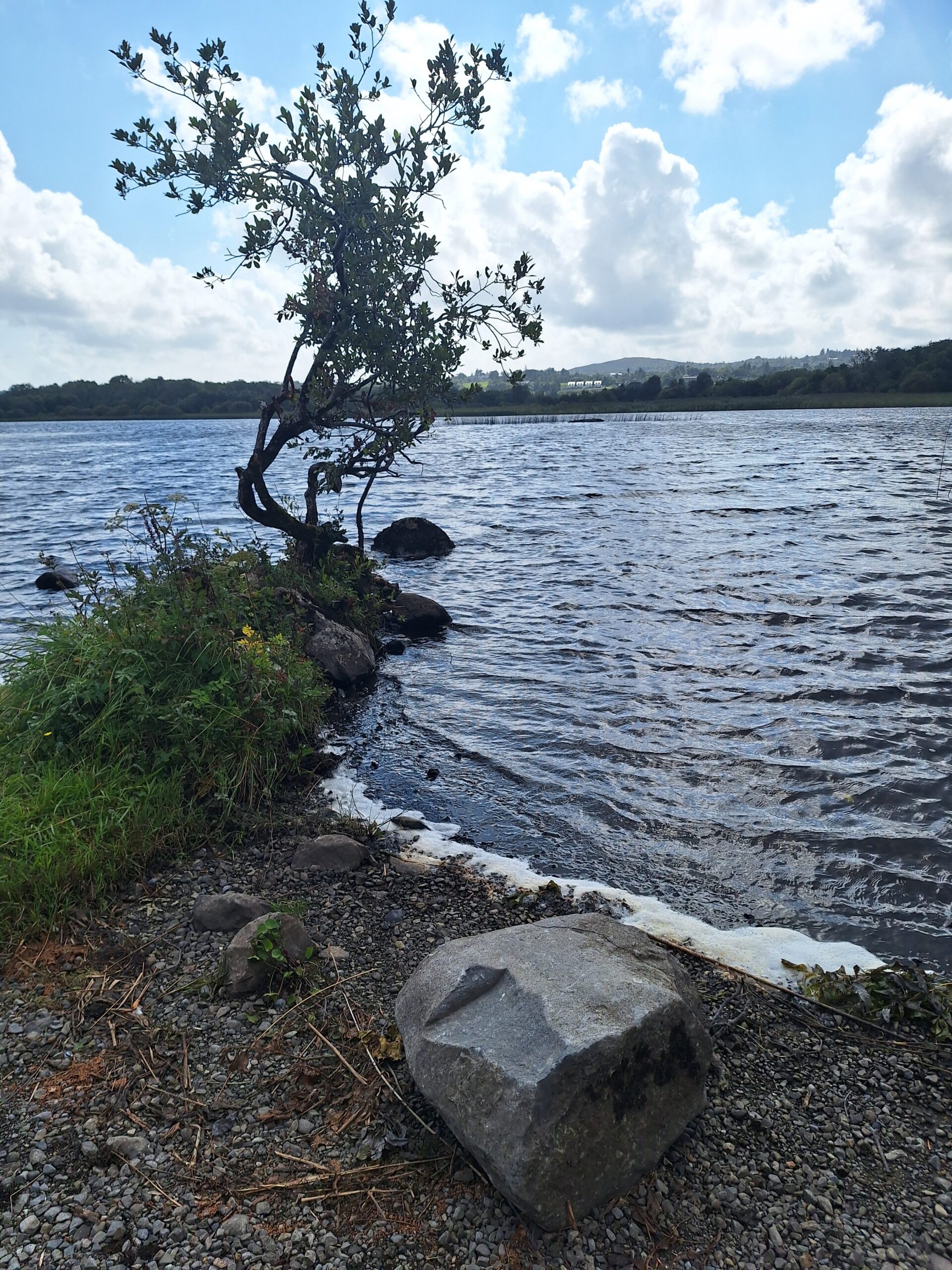
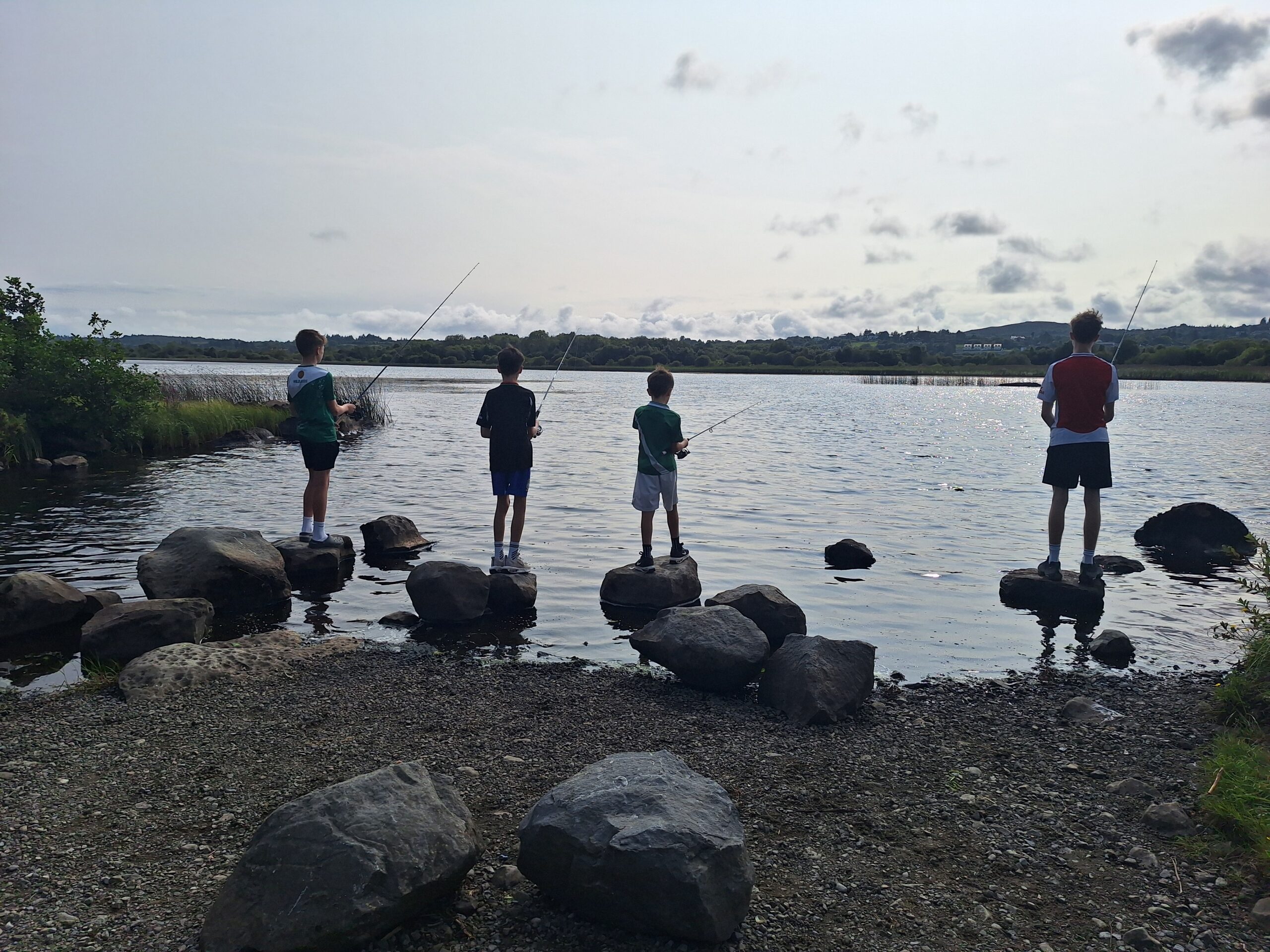
Along the Homefarm to Clooniff road, by the bridge where the canal flows from Ballyquirke Lake into Lough Corrib, lies a shoreline long cherished by the local community. For decades, this spot was alive with activity: children swam here on summer days while families gathered to fish. Today, swimming is recognised as hazardous, but fishing endures as a tradition passed from one generation to the next.
Scattered around the site are large limestone boulders. Some rest where they formed, while others were likely brought from a now-disused quarry across the road, later placed here to prevent vehicles from parking too close to the water’s edge.
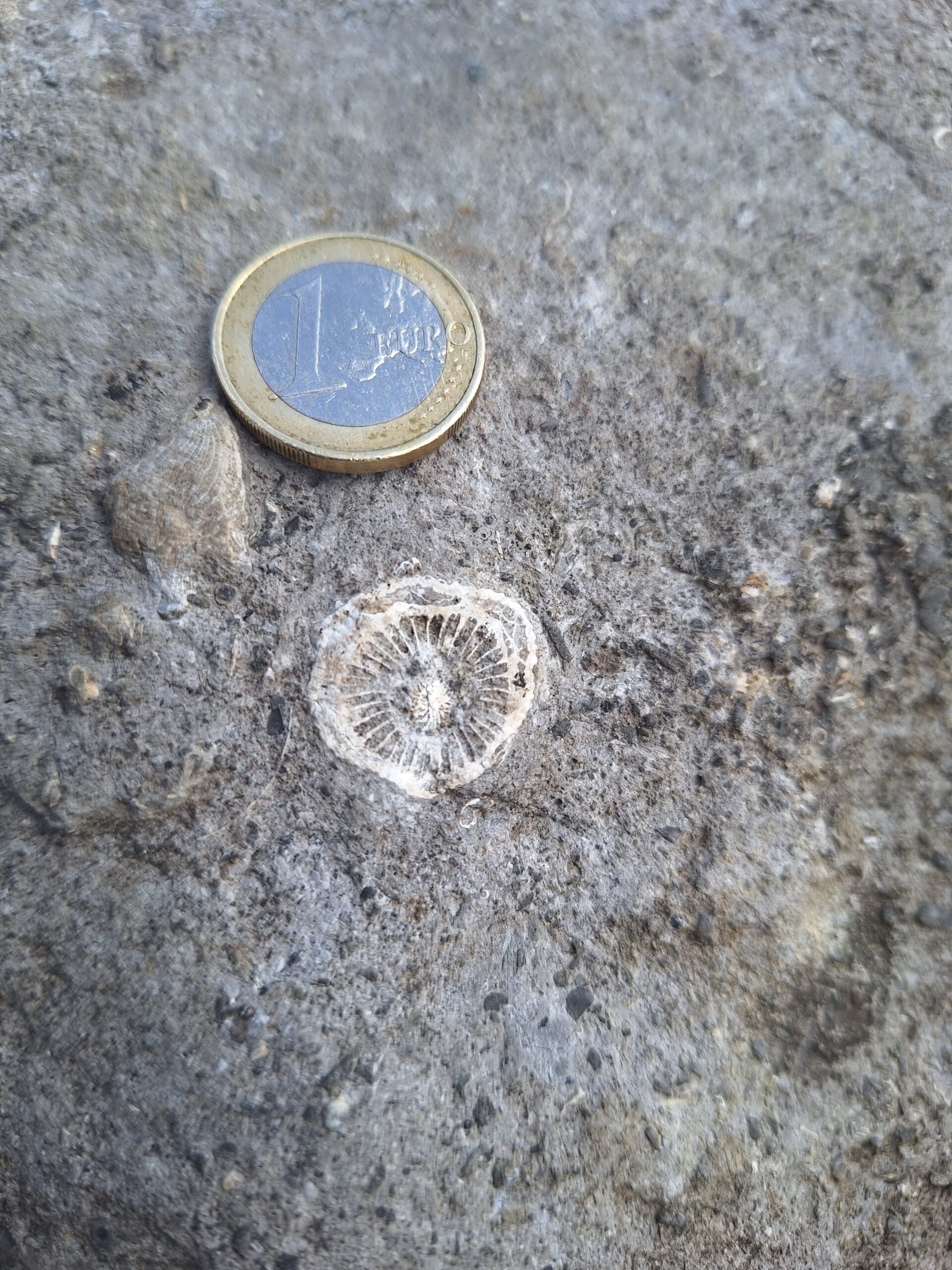
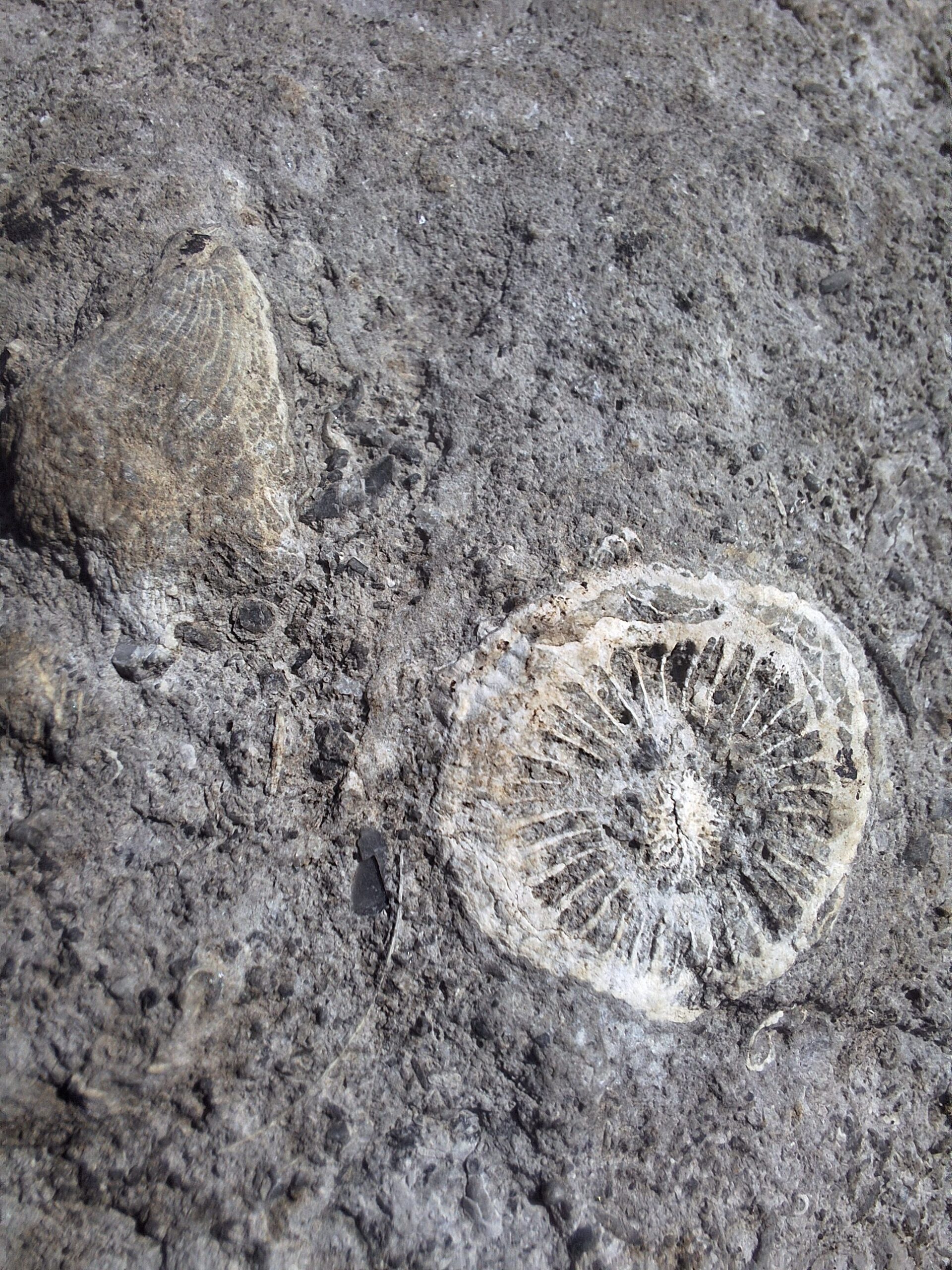
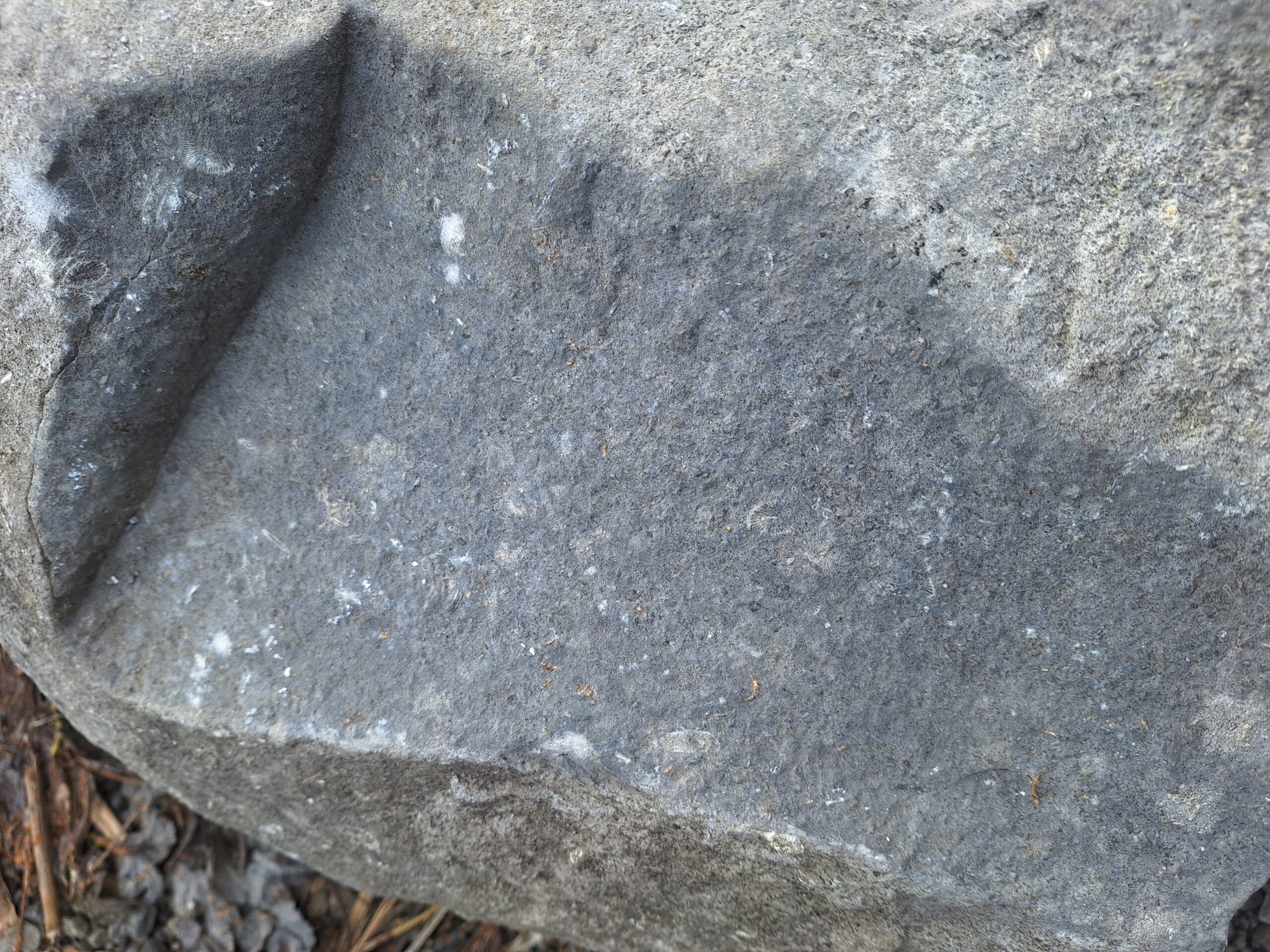
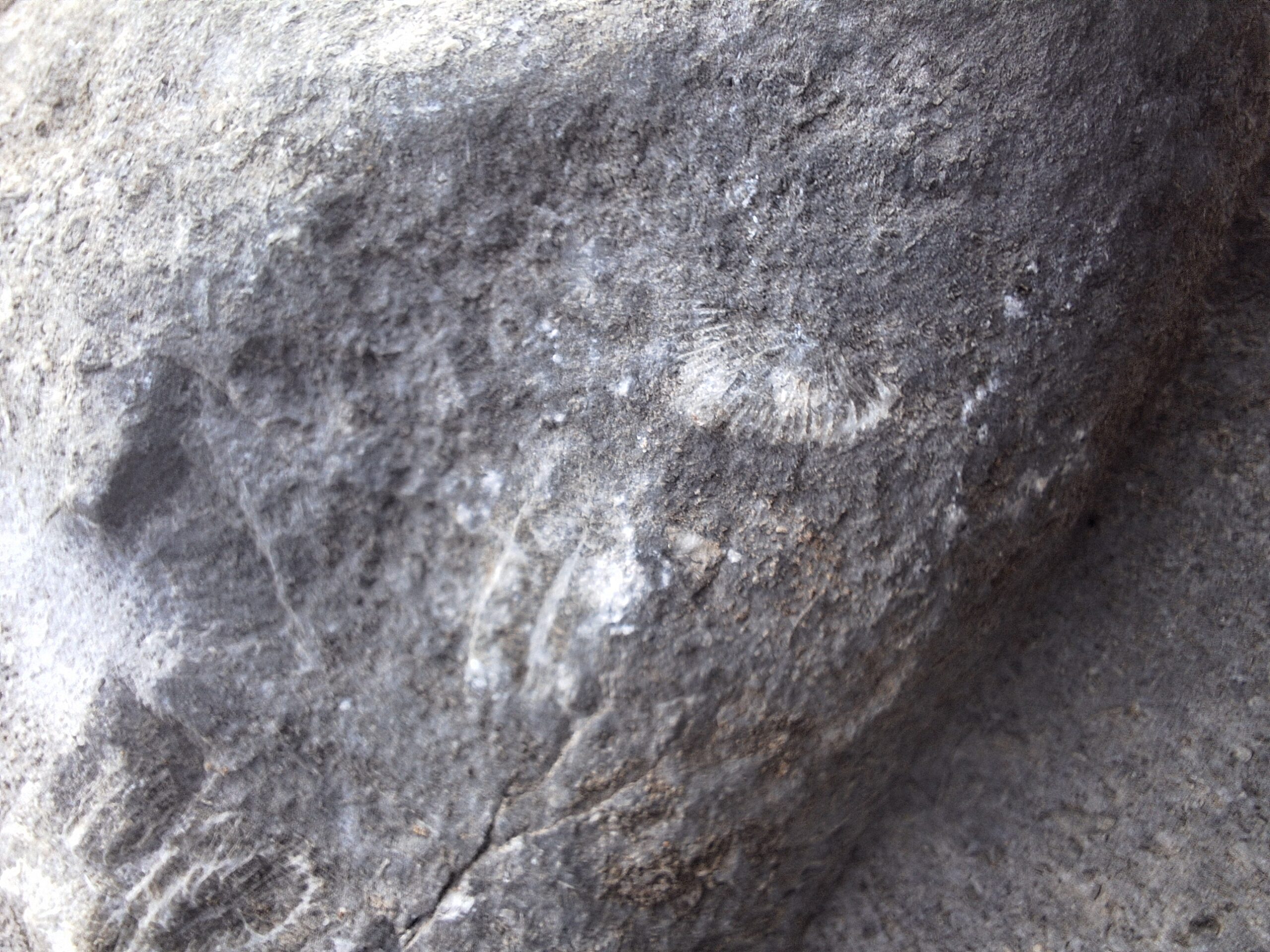
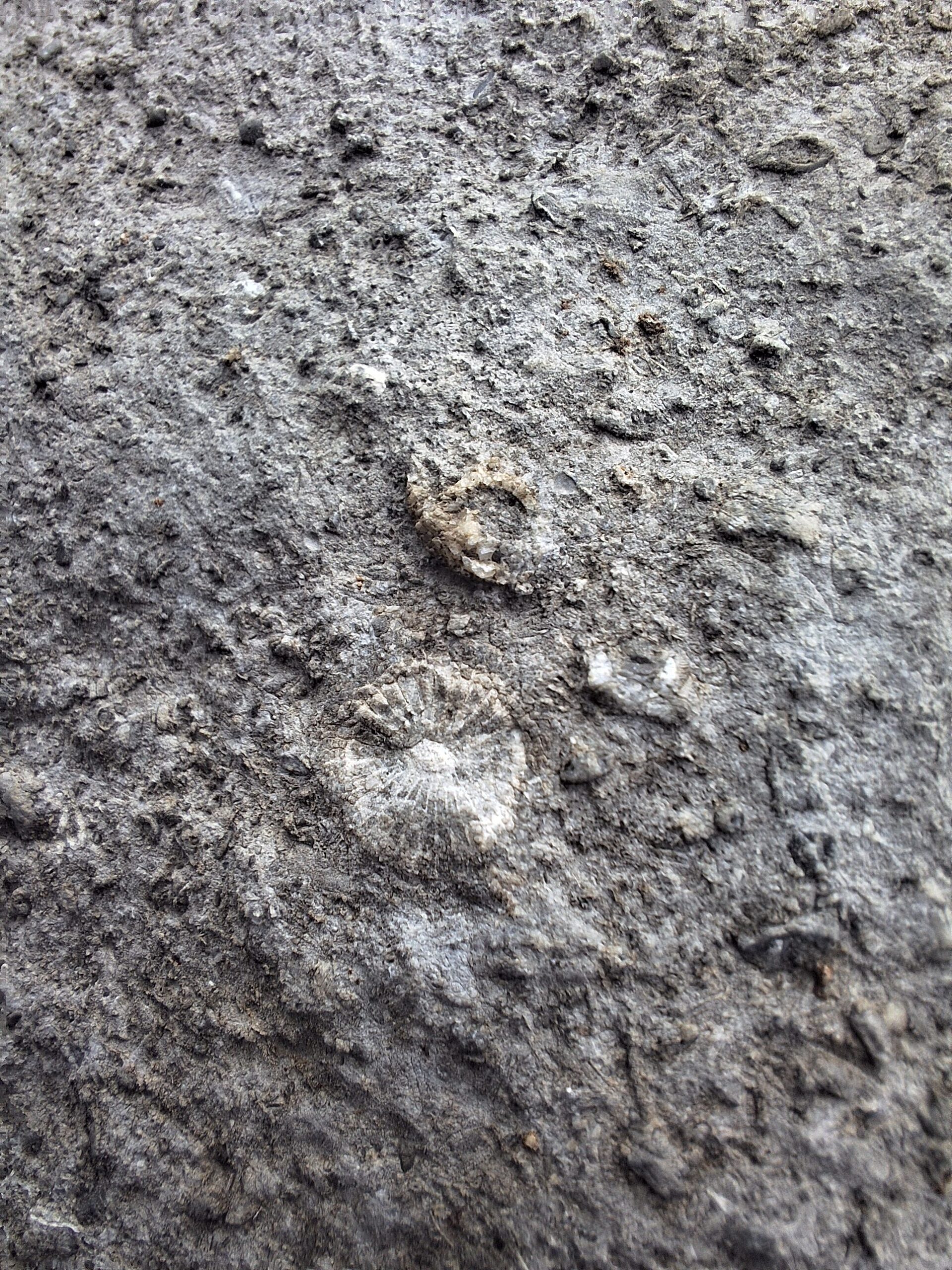
These stones hold stories far older than any human memory. Their surfaces are crowded with fossils — solitary and colonial corals, brachiopods, and crinoids — the remains of ancient marine life that thrived more than 340 million years ago, when this part of Ireland lay beneath warm tropical seas near the equator. Each fossil is a window into that distant world, preserved in the rock that still shapes the landscape today.
Site Location: 53.337731, -9.156535
Site Accessibility: Public but on a narrow roadway with no parking
No Comments
Add a comment about this page