
Sean Reilig
A Window into Community, Faith and Memory
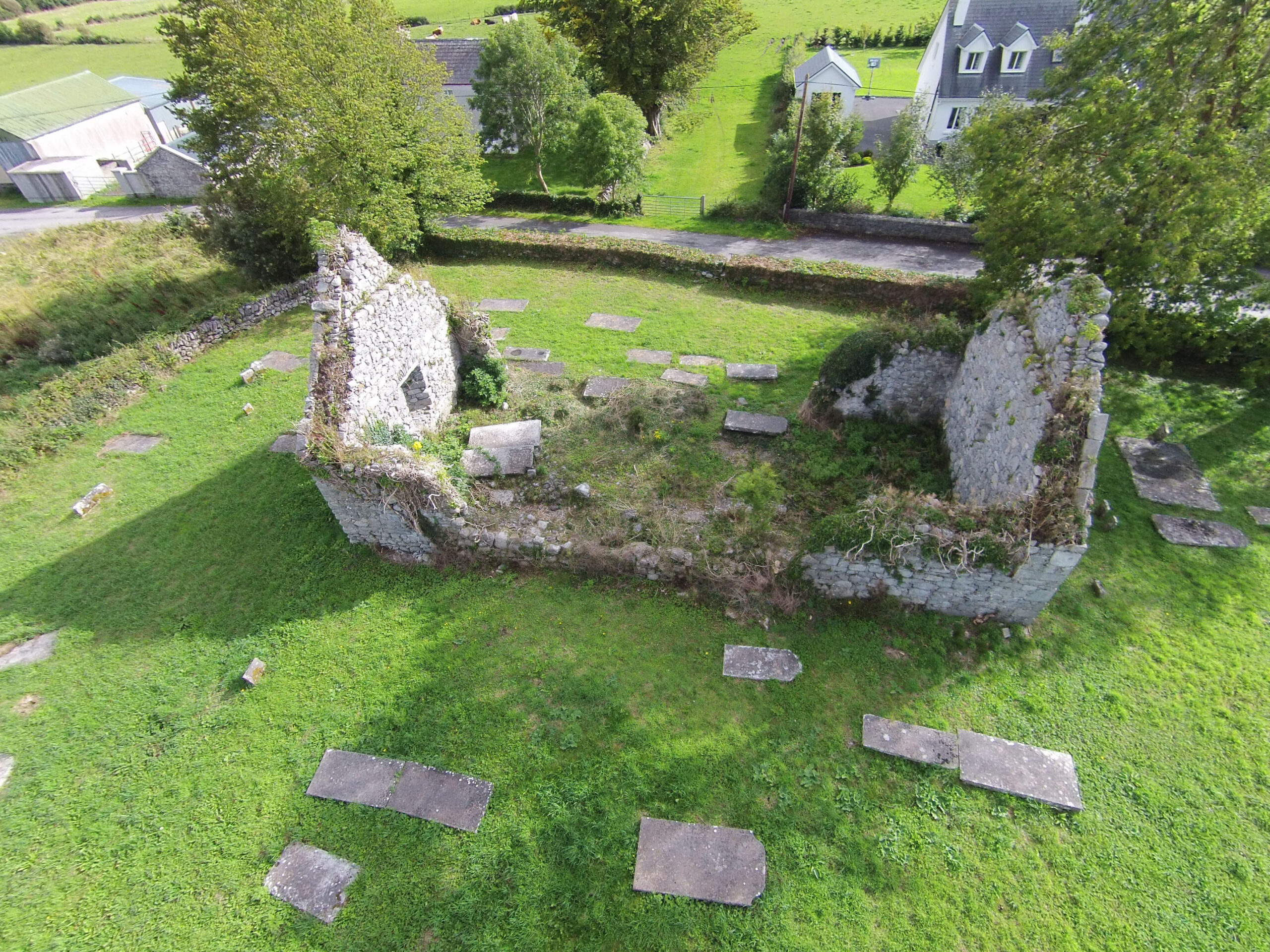
Just west of Moycullen Castle, two hundred and forty metres away, lies the historic graveyard known locally as An tSean Reilig (“old graveyard”). This site, once the heart of the parish’s religious life, is one of four early church and burial grounds in Moycullen. Today it is protected under the National Monuments Act and, although no longer used for new burials, it remains a place of memory and heritage.
A Sacred Site Through the Centuries
An tSean Reilig dates back to the 13th or 14th century and appears in papal records from the late 1400s. In the 1600s, the historian Roderic O’Flaherty recorded that its feast day was celebrated on 8 December, the Feast of the Immaculate Conception.
The Ruins of the Church
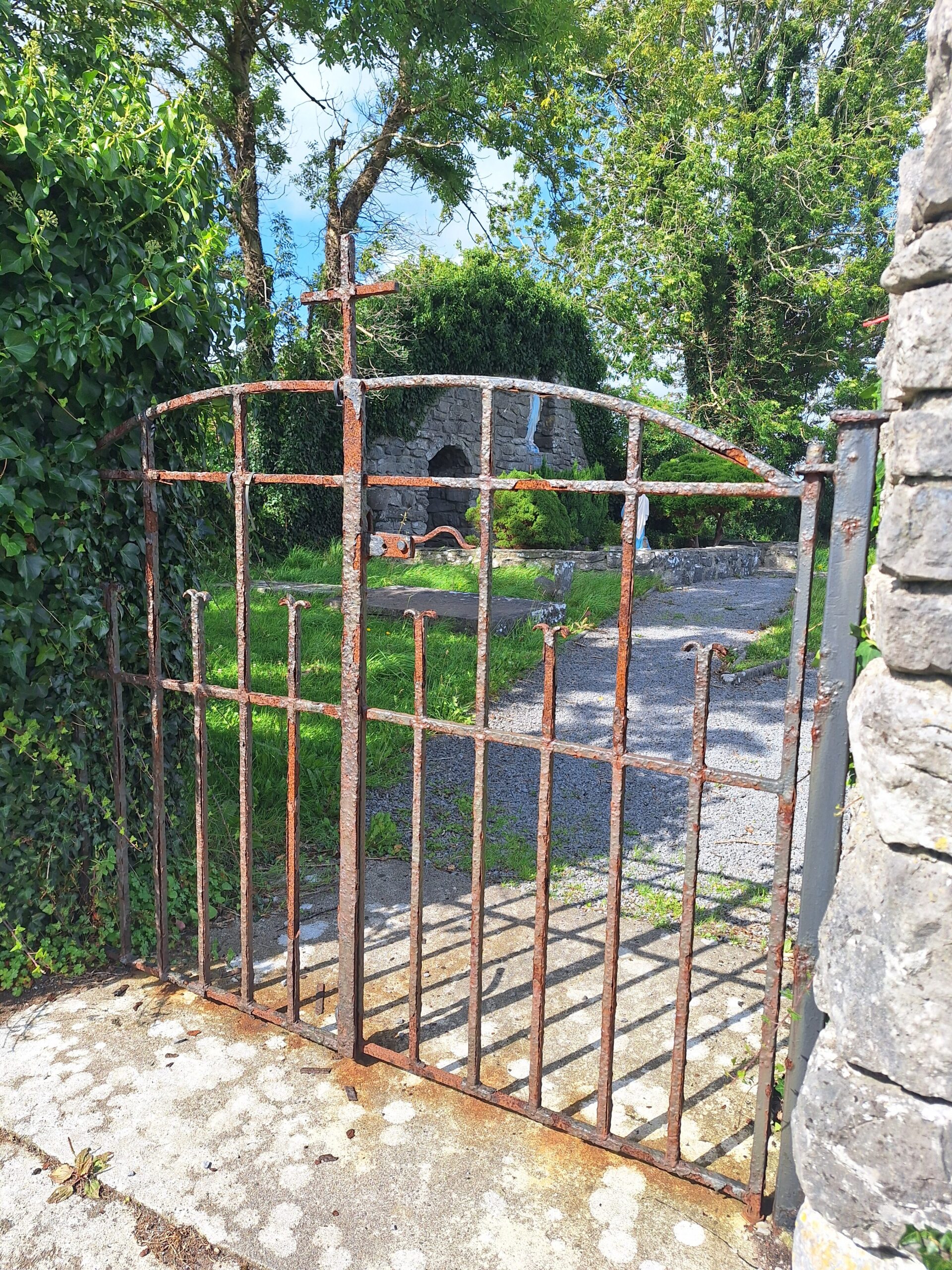
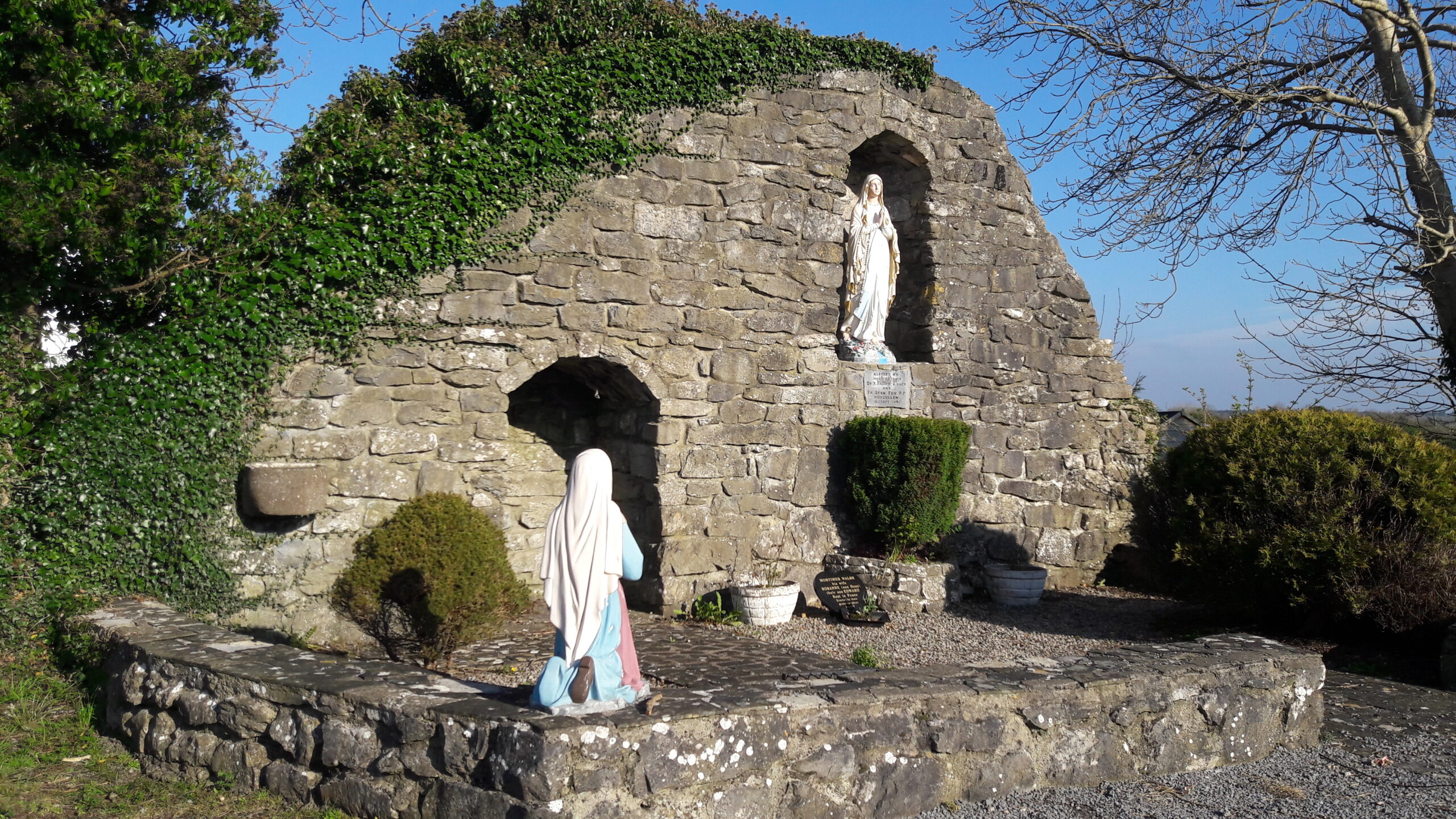
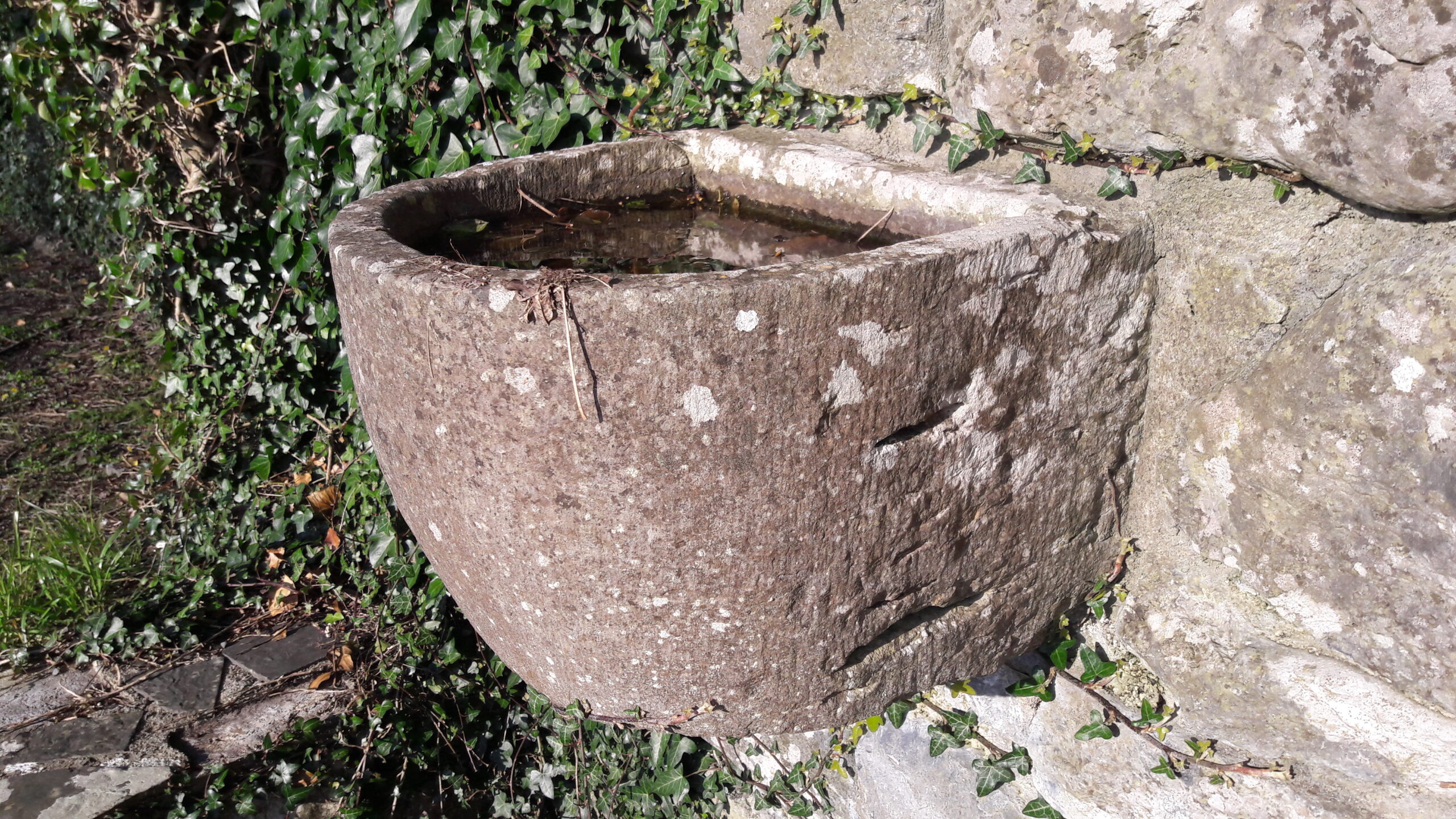
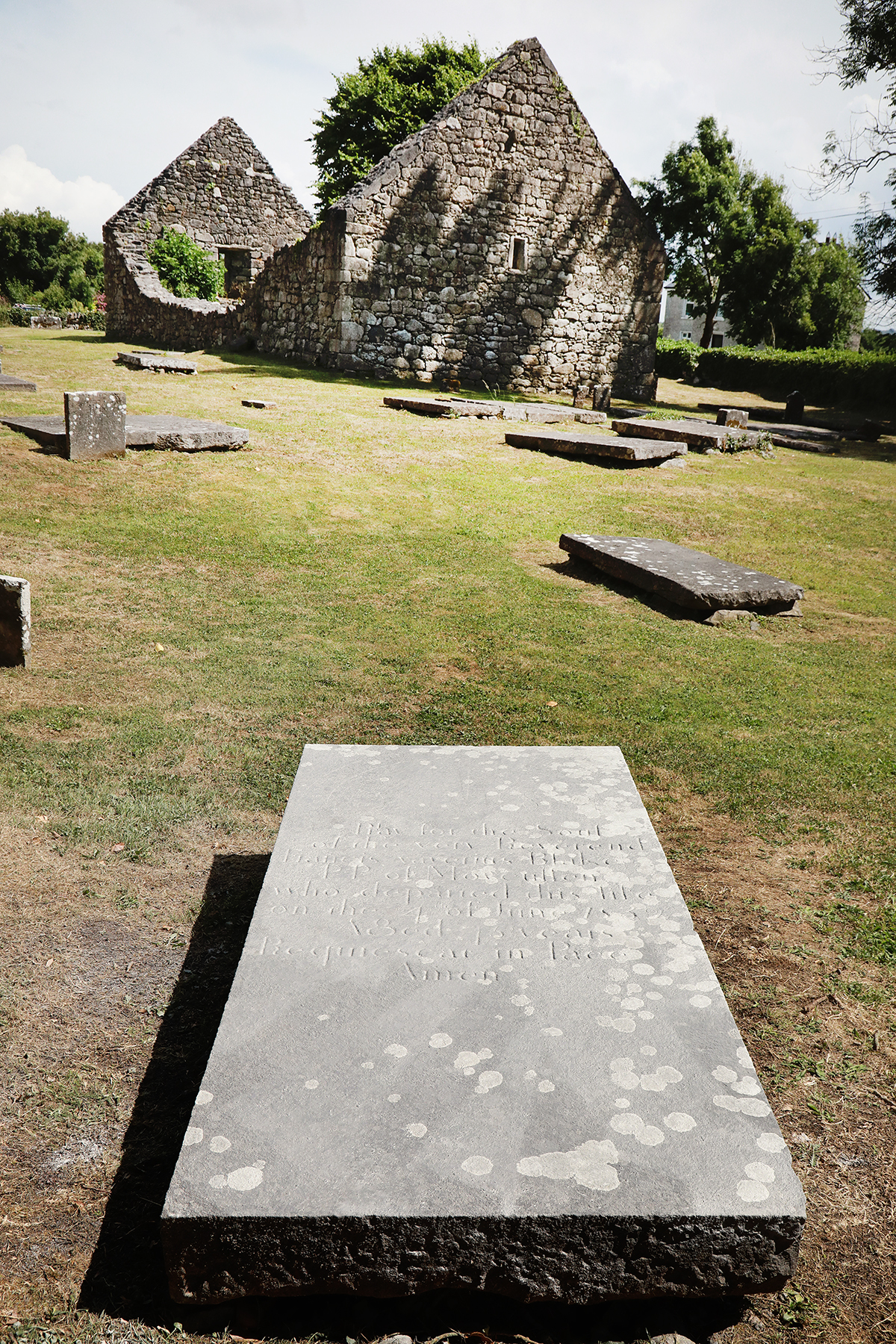
At the heart of the graveyard are the remains of a medieval church, built from local limestone and granite. A grotto, added in 1991, incorporates what may be the original holy water stoup, while a memorial boulder and plaque at the entrance show that the community continues to honour this sacred space.
Memorials and Monuments
An tSean Reilig contains 122 visible memorials dating from the 1600s to the 20th century. These include:
- Simple fieldstones marking the graves of ordinary parishioners.
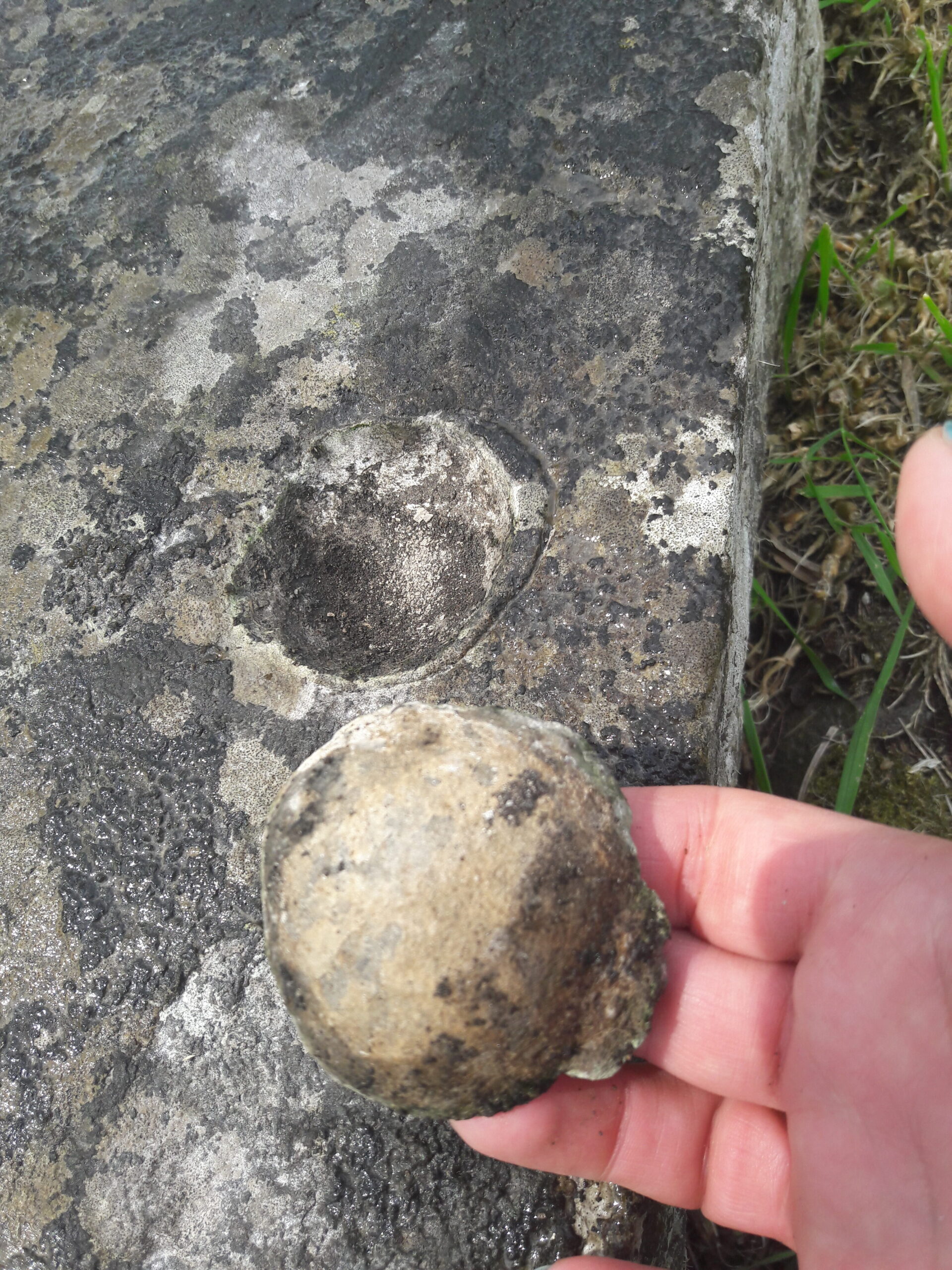
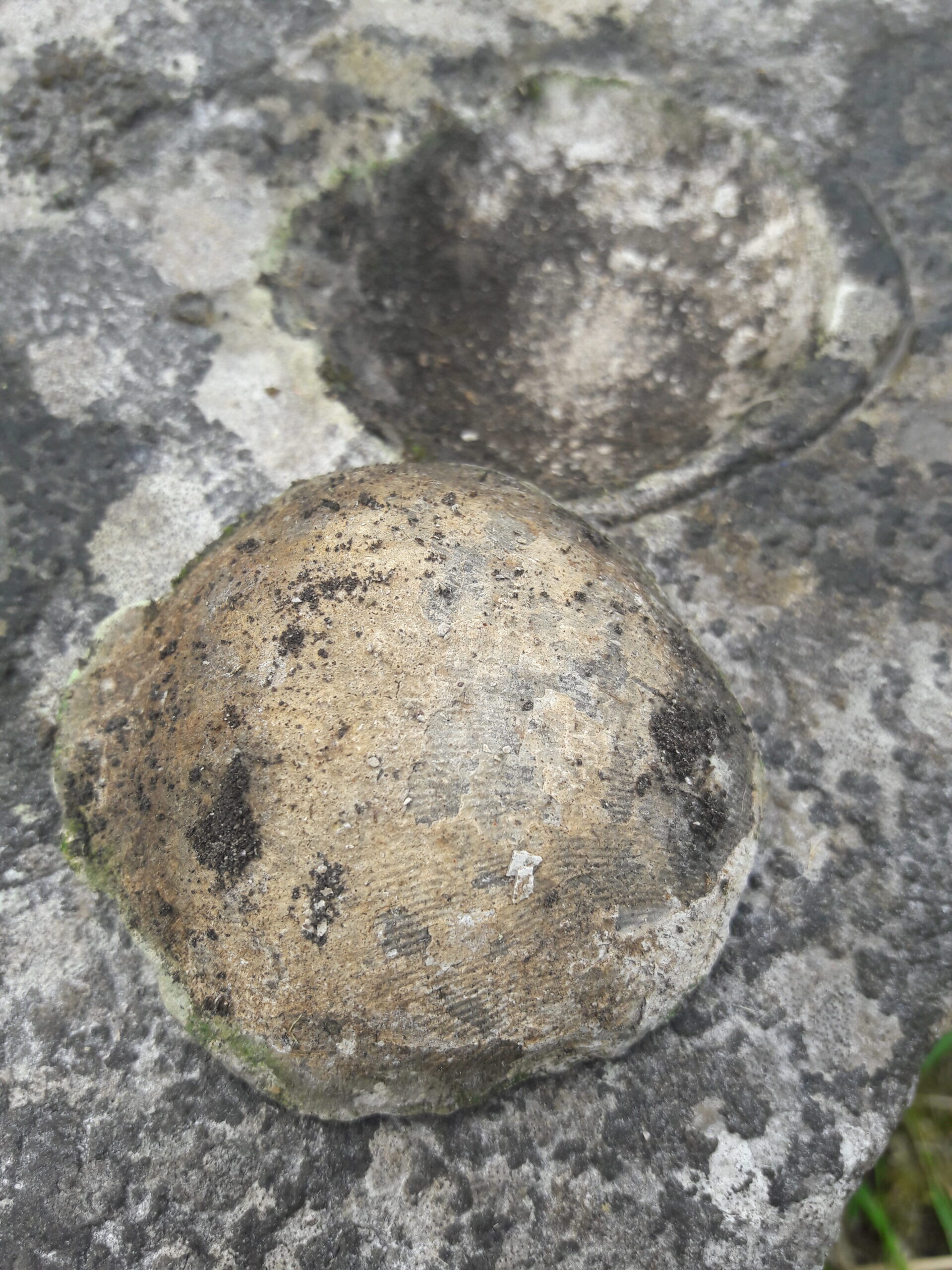
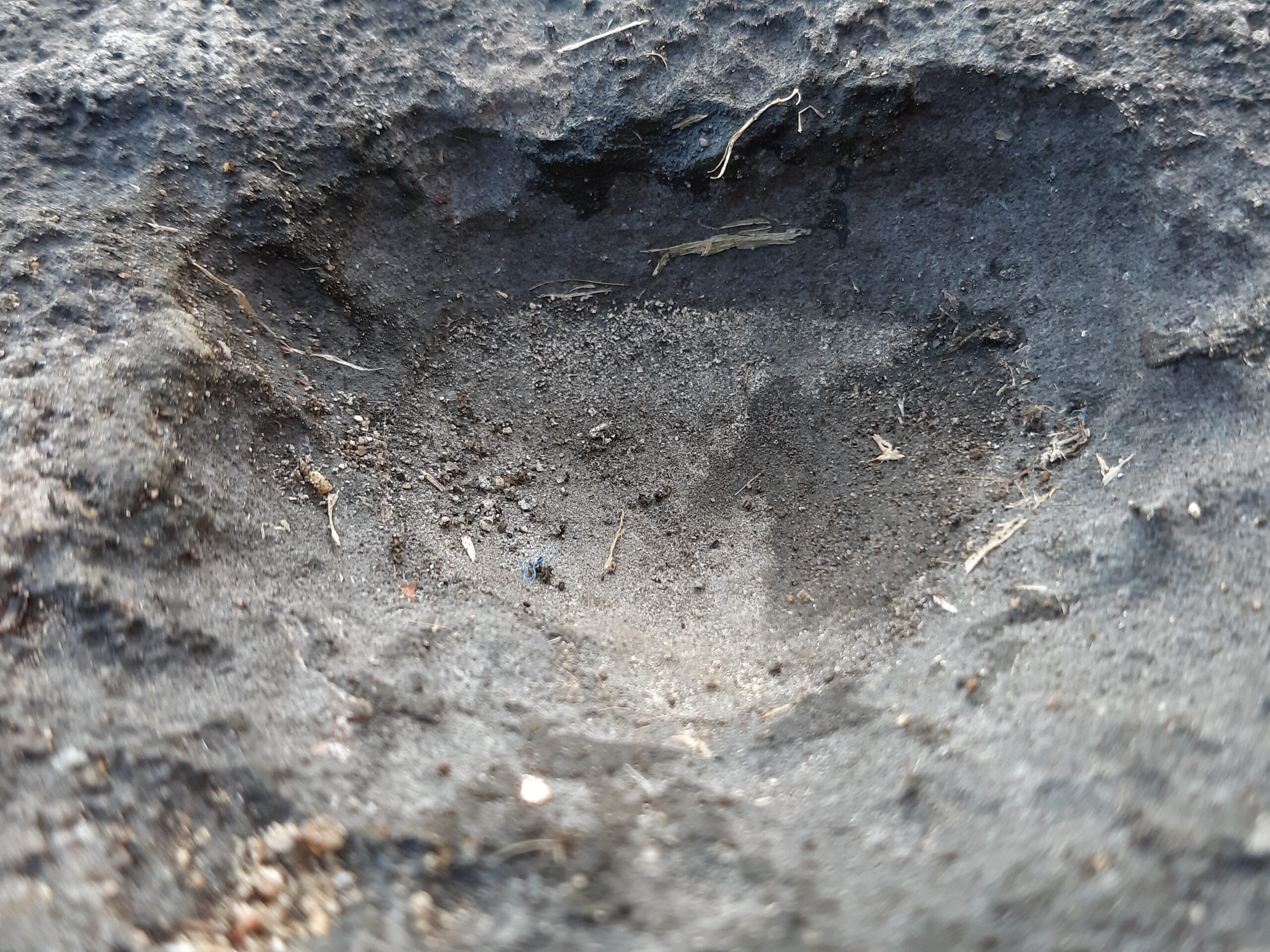
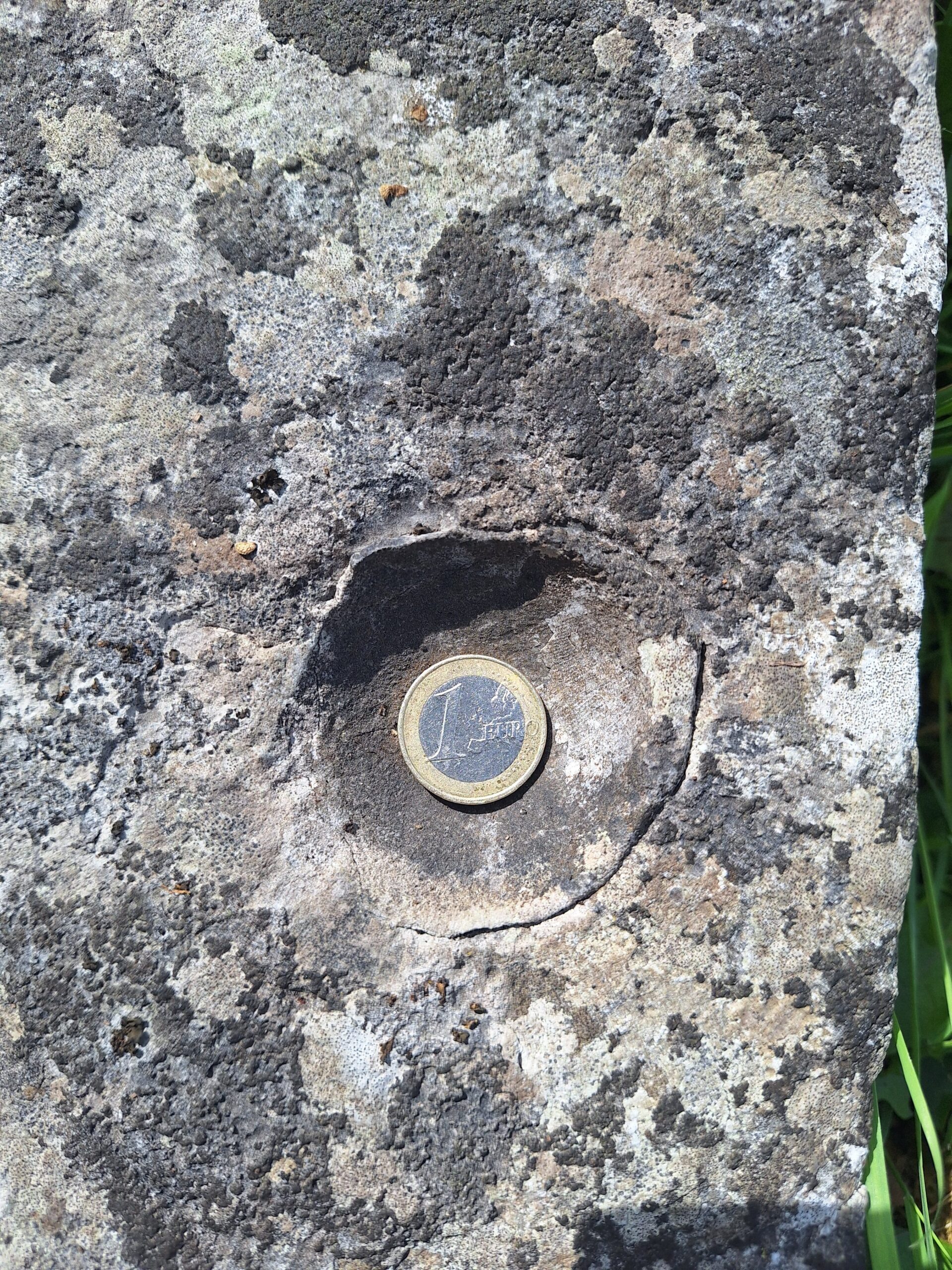
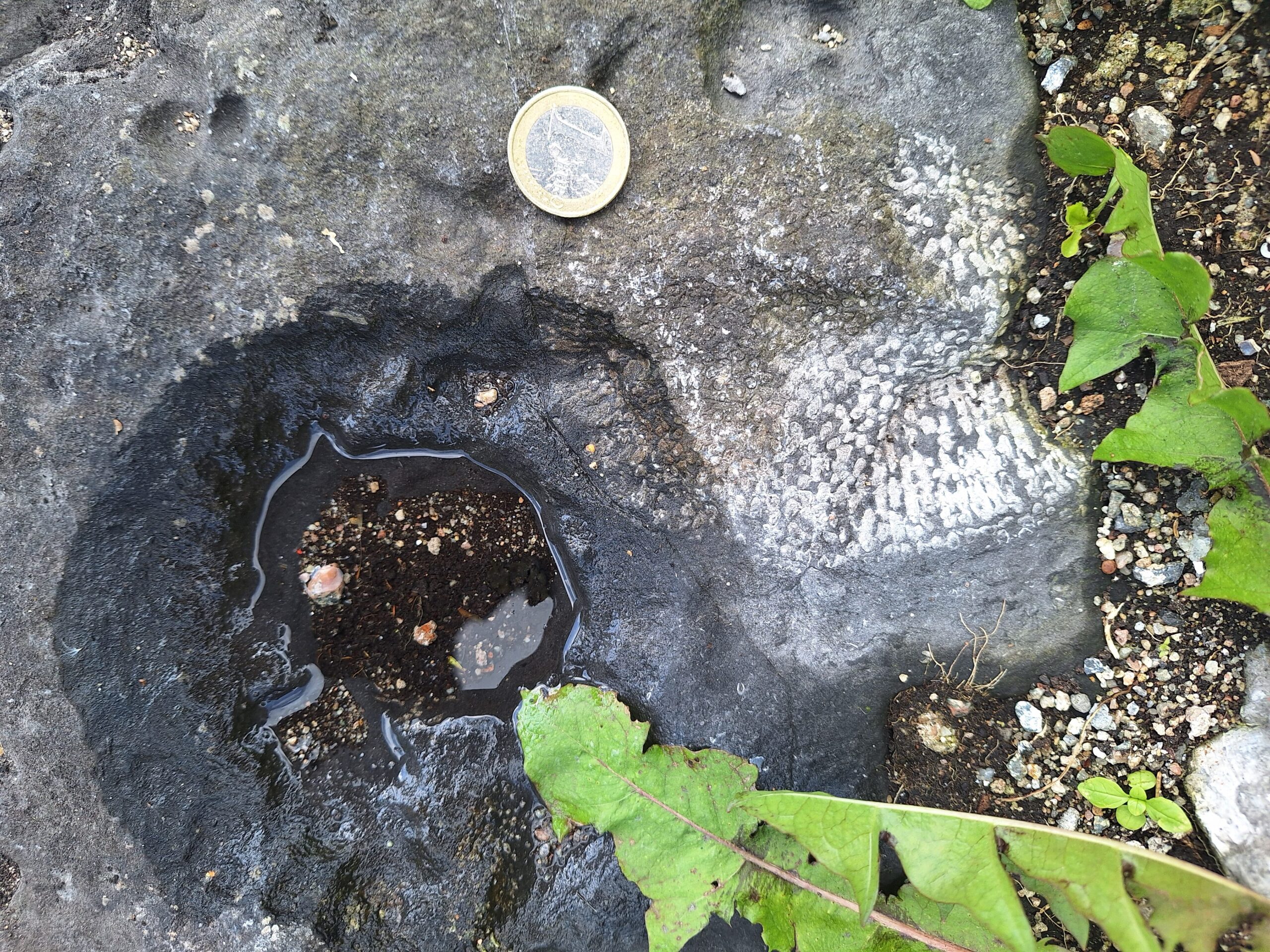
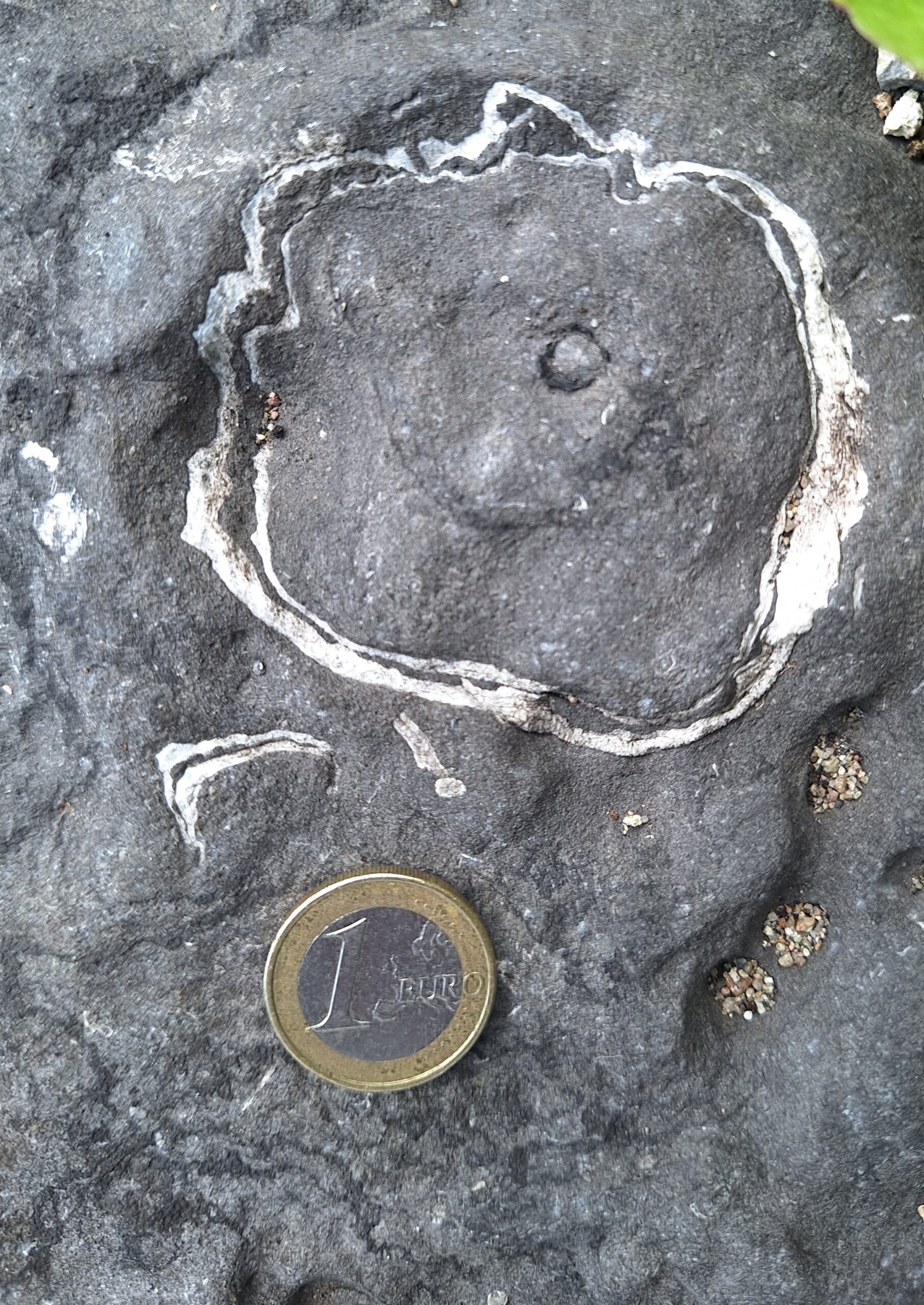
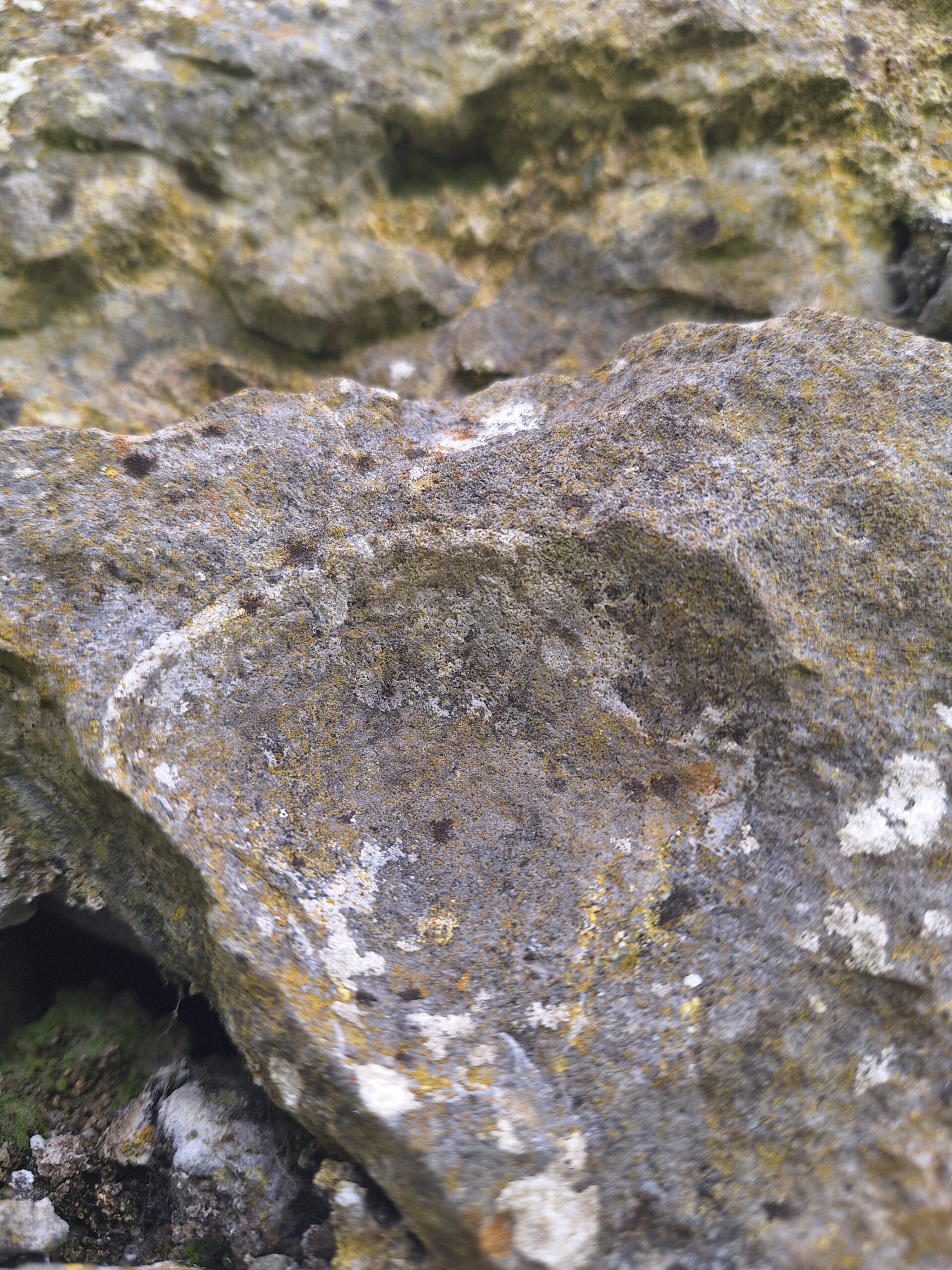
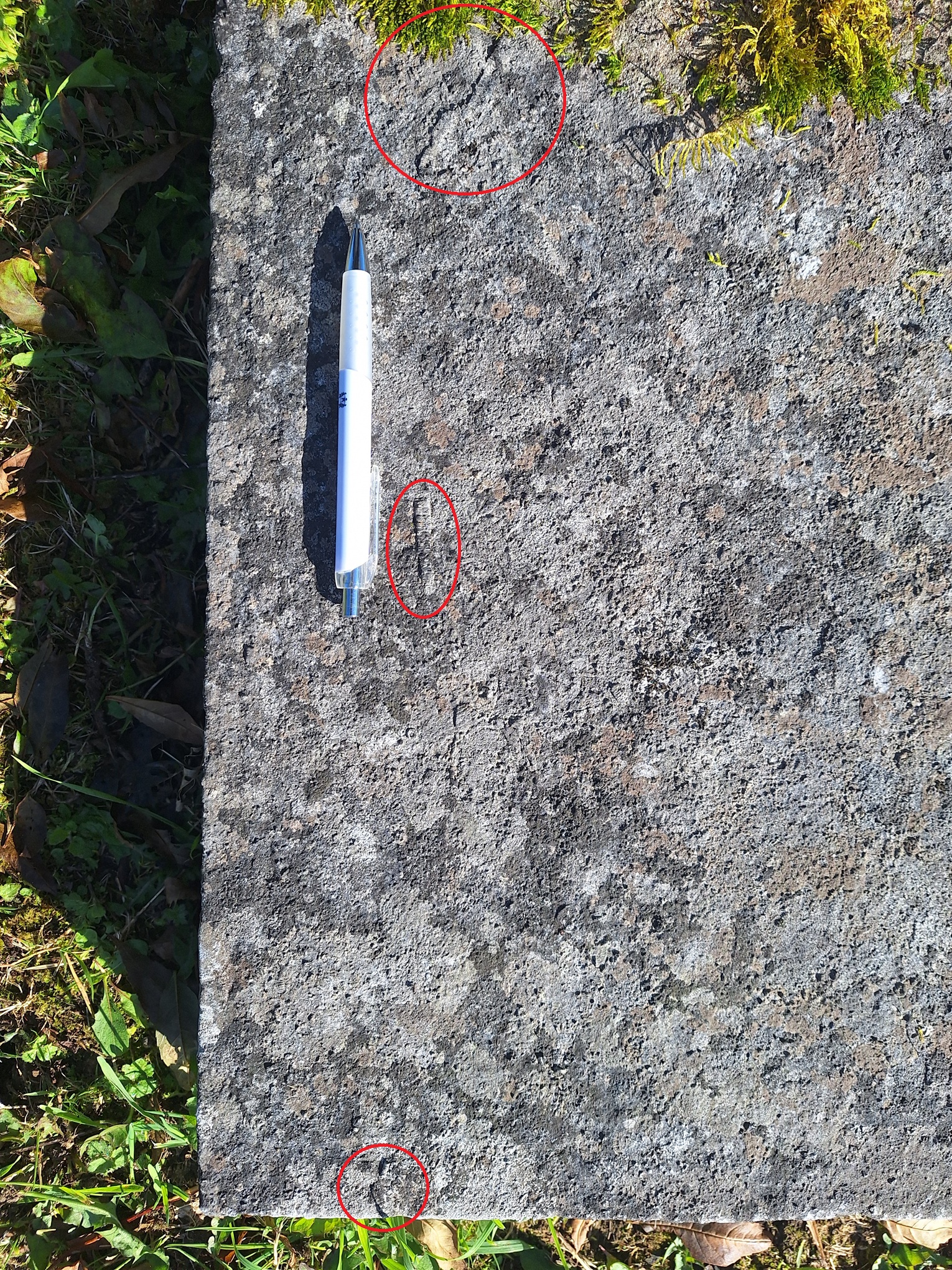
- Ledgers and headstones carved predominantly from local limestone, often containing striking fossil inclusions, remnants of a prehistoric seabed.
- Table and box tombs for the O’Flaherty family, early patrons of the church.
- A marble plaque commemorating the last burial here in 1933.
The memorials are carved mainly from limestone, a stone deeply rooted in Moycullen’s landscape. The origins of this limestone remain uncertain. It was likely quarried nearby, perhaps along the Ballyquirke lakeshore, or even transported across Lough Corrib from Angliham quarry.
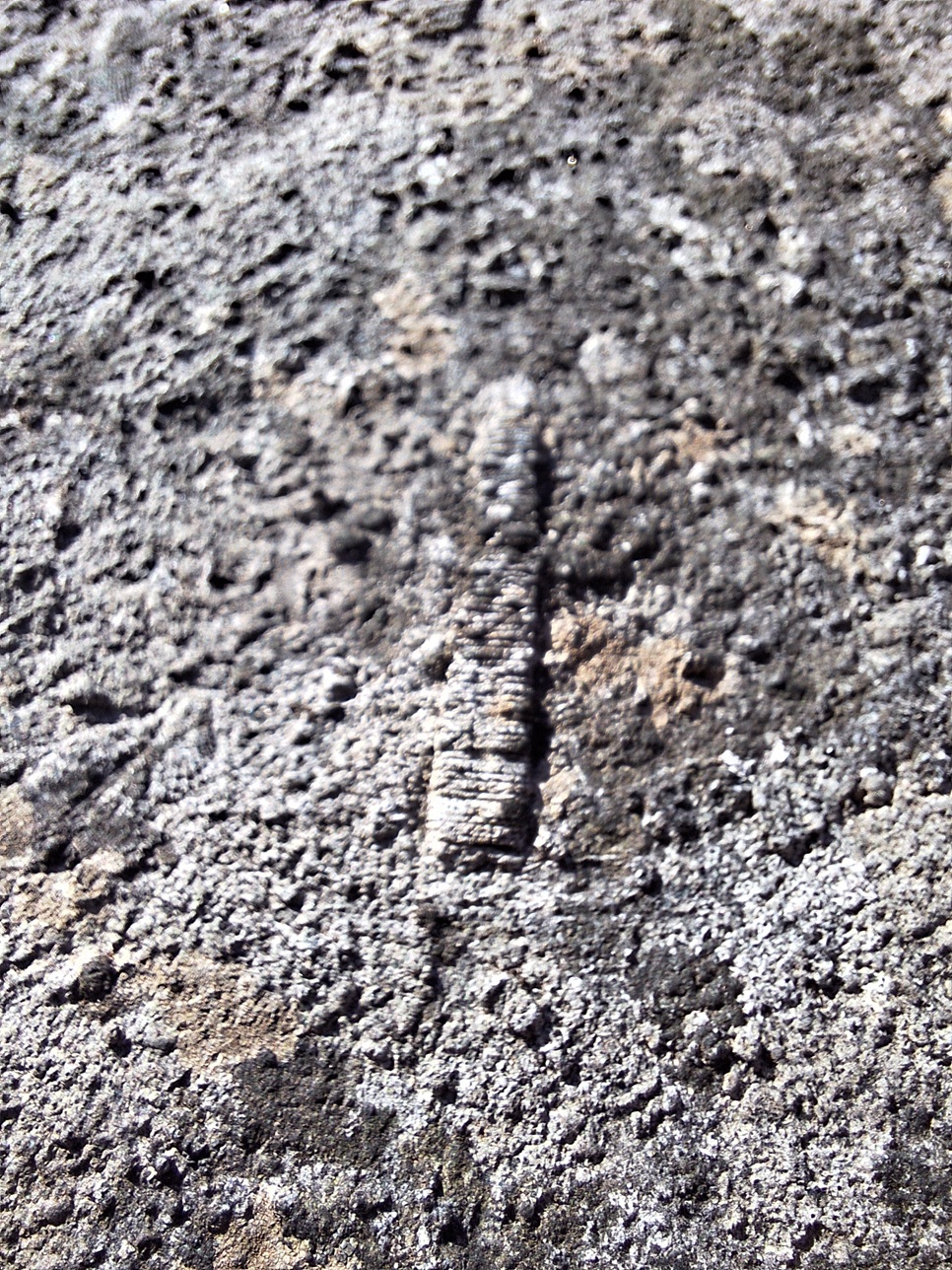
Close inspection of the headstones reveals fossil treasures:
- Brachiopods – including one perfectly domed specimen, discovered during recording of memorials.
- Colonial corals – once thriving reef-builders.
- Crinoids – “sea lilies” with polo mint shaped stems.
These fossils connect the people of Moycullen to an unimaginably ancient past, when Galway lay beneath equatorial seas.
Unlike some nearby parishes, Moycullen’s old graveyard contains few elaborate memorials. Instead, burials of gentry and tradespeople lie side by side, reflecting a community without rigid divisions in death.
Symbols of Faith and Work
Many gravestones are decorated with the IHS Christogram, sunbursts, hearts, and crosses, symbols of faith and resurrection. Others reveal a more earthly pride: occupational motifs such as ploughs, ships, shoemaker’s tools, and blacksmith’s anvils — a kind of “poor man’s heraldry” reflecting a life’s work.
Fossil-rich limestone itself adds another symbolic layer: stones carved with ancient brachiopods or corals quietly connect the memory of Moycullen’s people to a landscape shaped by seas hundreds of millions of years old. In this way, the material of the gravestones deepens their message of continuity, life, and resurrection.
The oldest surviving grave markers date to 1686, and their inscriptions include family names still common in Moycullen today: Connolly, Barrett, Tierney, Kelly, and Maloney.
Language and Craft
All inscriptions are in English, the language of trade and administration at the time, even though Irish was spoken locally. Only one stonemason, Patrick Howard, signed his work, but the varied carving styles suggest a mix of local and travelling craftsmen.
The fossil-filled limestone posed both opportunities and challenges for these carvers. Decorative motifs often interact with the natural fossils in the stone, sometimes framing them unintentionally, sometimes incorporating them into the design. Economy also shaped the memorials: words were abbreviated, names added in advance of death, and some inscriptions left incomplete. These choices remind us of the high cost of stone carving — and of the reality that many families could not afford formal markers at all.
A Place of Memory
By the 1830s, burials shifted to the new parish churchyard in Moycullen village, but families with plots in An tSean Reilig continued to use it into the 20th century. Today, its ruins, fossil-laden stones, and quiet setting remain a powerful record of faith, identity, and community over more than 700 years.
Visiting the Sean Reilig
The graveyard is cared for by the local authority and protected as a National Monument. Visitors are asked to respect the site, remembering it as both a place of history and a place of rest.
Site Location: 53.337731, -9.156535
Site Accessibility: Public
No Comments
Add a comment about this page