
Information from Logainm.ie:
Irish: Gort na bhFia
Genitive: Ghort na bhFia
The words gort and gart translates to field in English.
This is a non-validated name: Placenames or geographical names for which provisional Irish forms have been recommended by the Placenames Branch on the basis of research but which are not specified in Placenames Orders in accordance with the Official Languages Act 2003.
Information from O’Donnovan’s Field Name Books – (places.webworld.org database).
English Name: Deerfield or Gortnavea.
Irish Form of Name: Gort na bh-Fiadh.
Translation: Field of the deer.
Description: Rev. Frances Blake. The entire of this townland consists of arable and pasture together with plantations interspersed – Deerfield House is on the S.E. side. The road from Galway to Oughterard forms the W. boundary. The N.E. boundary passes through Lougheaneasaconry.
Situation: N. of the parish. Bounded on the N. by Rinneen, on East by Knockshanbally and Drimcong, on South by Gurtnamona West and on W. by Drimneen.
Other place names in this townland:
Some other placenames in or near this townland are…
- Deerfield House (house)
Information from Moycullen and its People
Páirc na bhFia – Deerfield
Is cosúil go raibh fianna ina gcónaí timpeall na háite seo tráth. Seo é suíomh Teach Ghort na bhFia freisin.
It is likely that deer lived in this area at one time. This is also the location of Deerfield House.
Townland History and Description
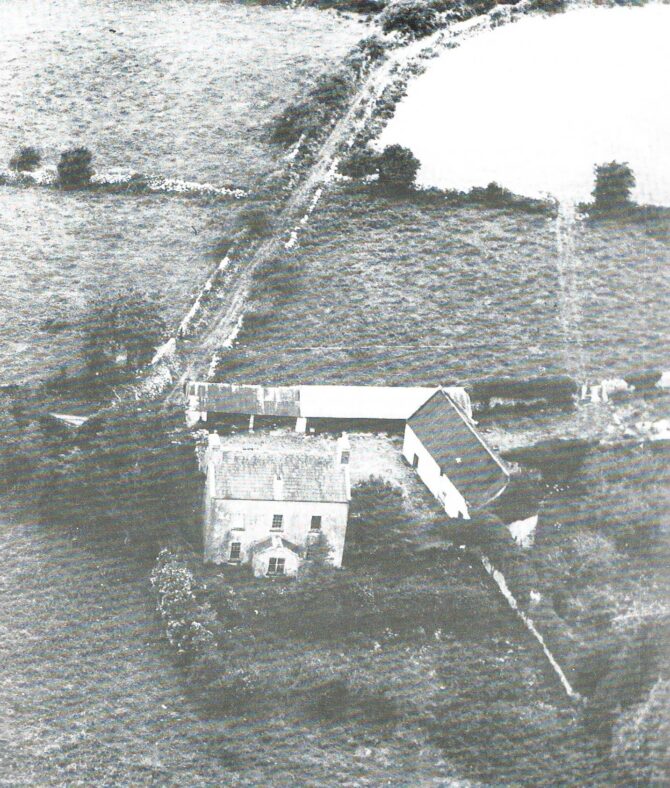
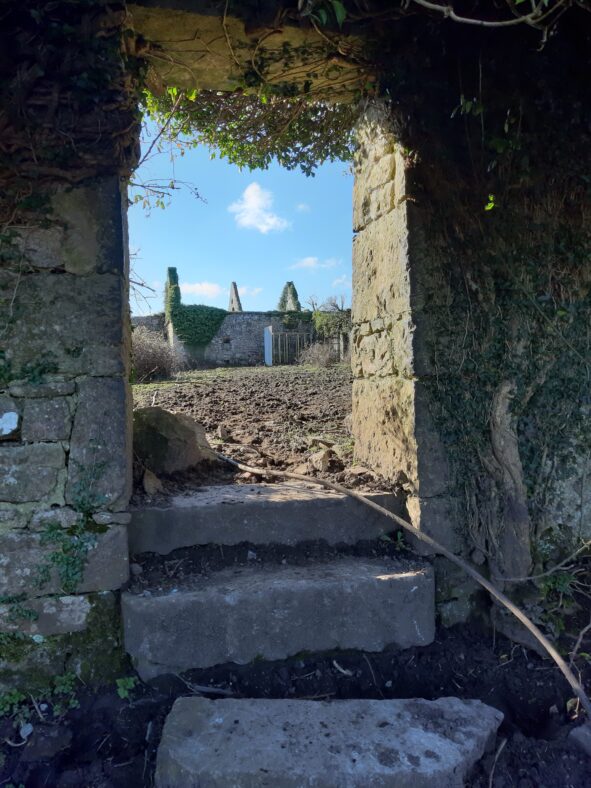
Some time before the 19th century, Kilkelly was the local landlord. He resided at Drimcong. At the time, Deerfield and Drimcong were united as one farm. The steward lived in Deerfield. The old house, as we called it, was his residence. This house was a storey and a half and could have been thatched originally but roofed with slate later. This house was used as a soup kitchen during famine years. Nearer the lake there are ruins of six houses, where people resided during and prior to the famine. The grandmother of Ned Rush lived there. Ned is dead for years and was at least middle aged when we were children.
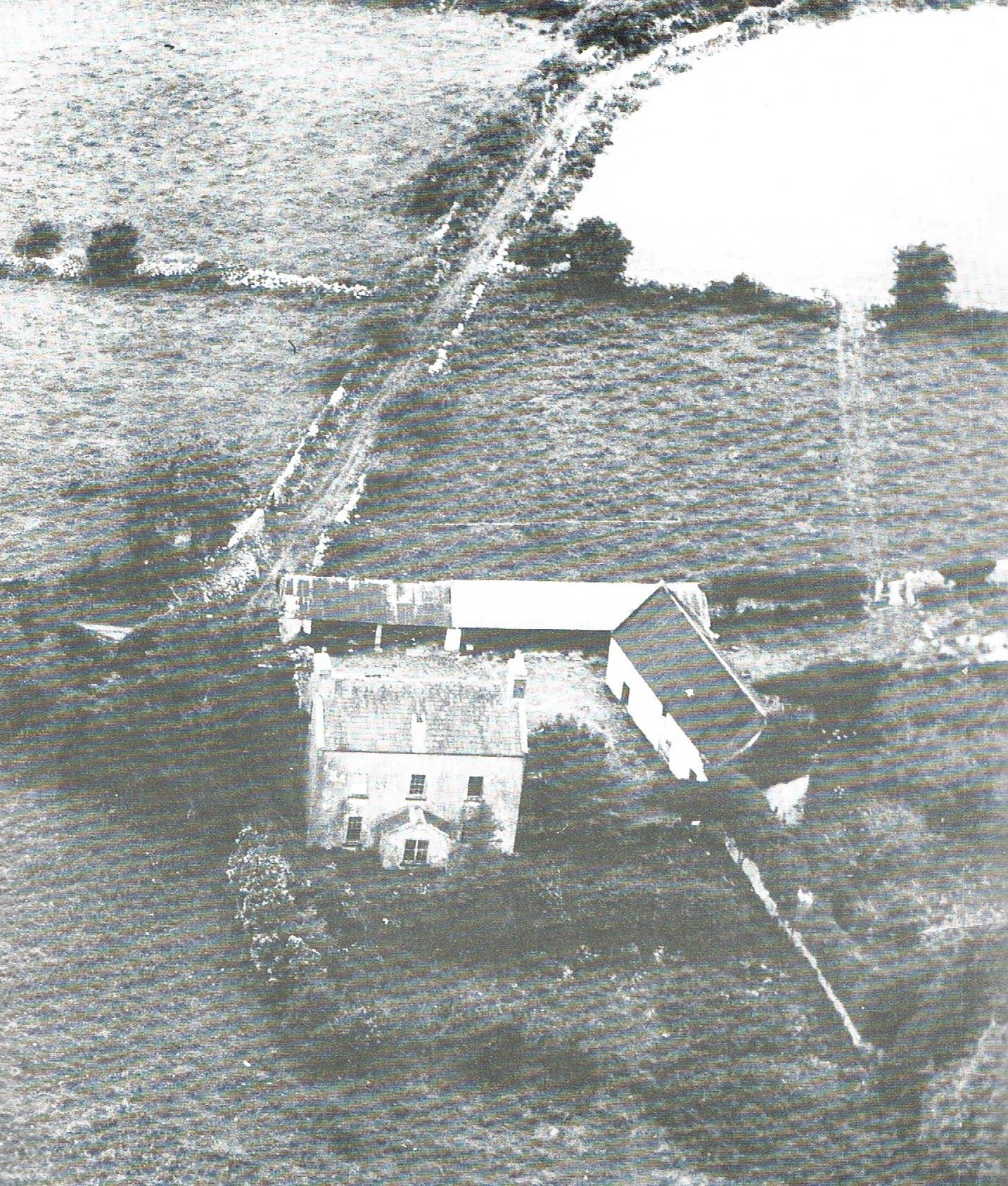
At the end of the 18th century, Father Blake (of the wealthy Galway Blakes) built what we called the big house, which was three storeys and attached to the old house. Fr. Francis Blake did not live there for too long as he was changed to Galway city. Then I believe there was a Fr. Frenche (word of mouth) but later the saintly Fr. Kenny lived there and travelled by horse back to the church in Moycullen. I believe he wore a beard. He died while the Angelus bell was ringing. Then his nephew, Tim Kenny, resided there for a while. During that time or after that, a deer herd was farmed there. In 1918, my father purchased Deerfield for £1,500, which was a large amount at the time (I suppose). About 1927, he knocked the old house, which was a pity.
A Ghost
It is said that Deerfield was haunted by a ghost while Fr. Kenny lived there, but he prayed the ghost into one room beside the old kitchen. The room was called the workshop and today would be known as the utility. I never saw the ghost but often had an eerie feeling in the house.
The Orchards
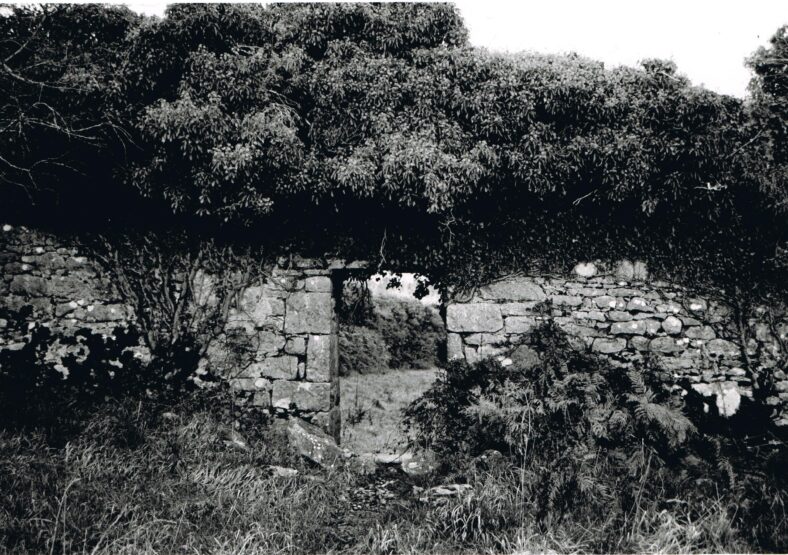
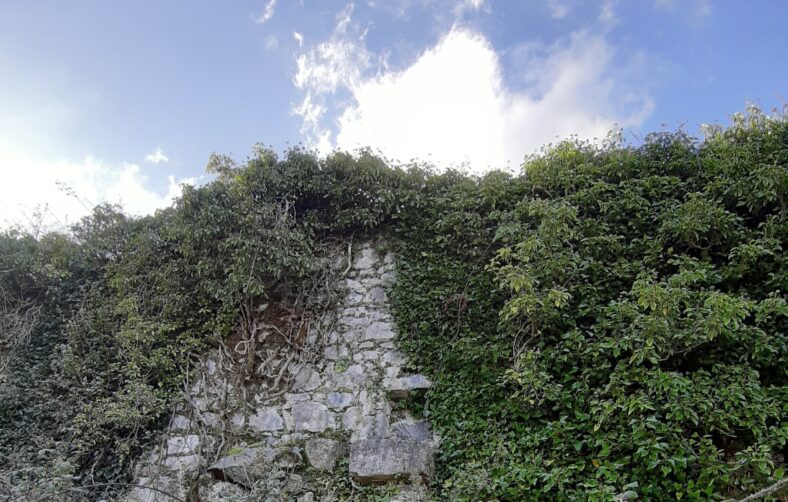
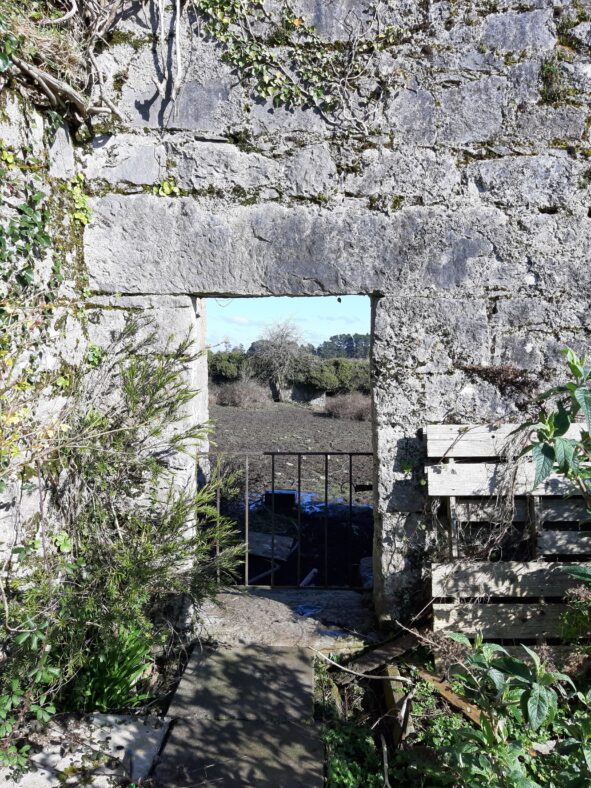
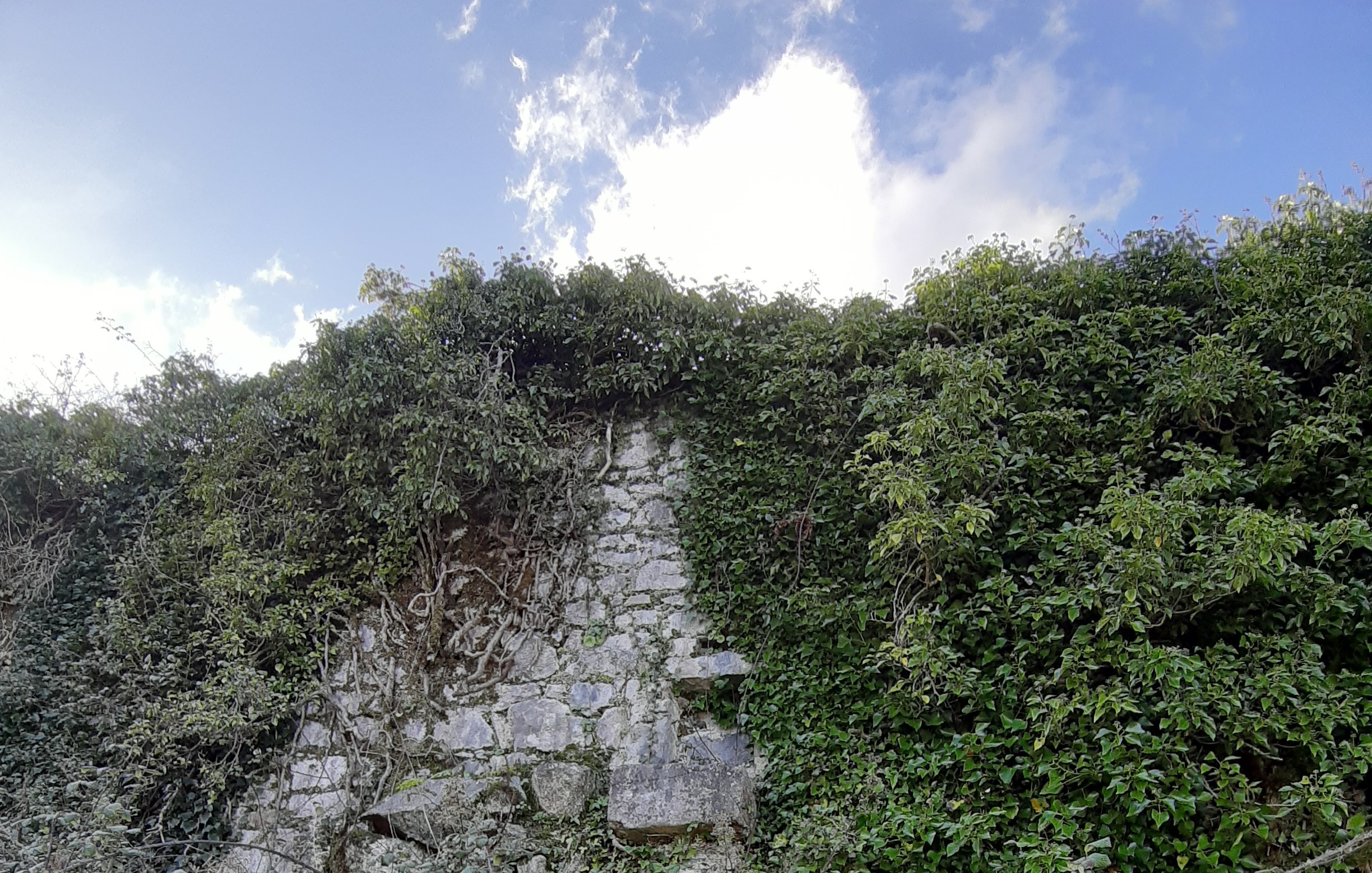
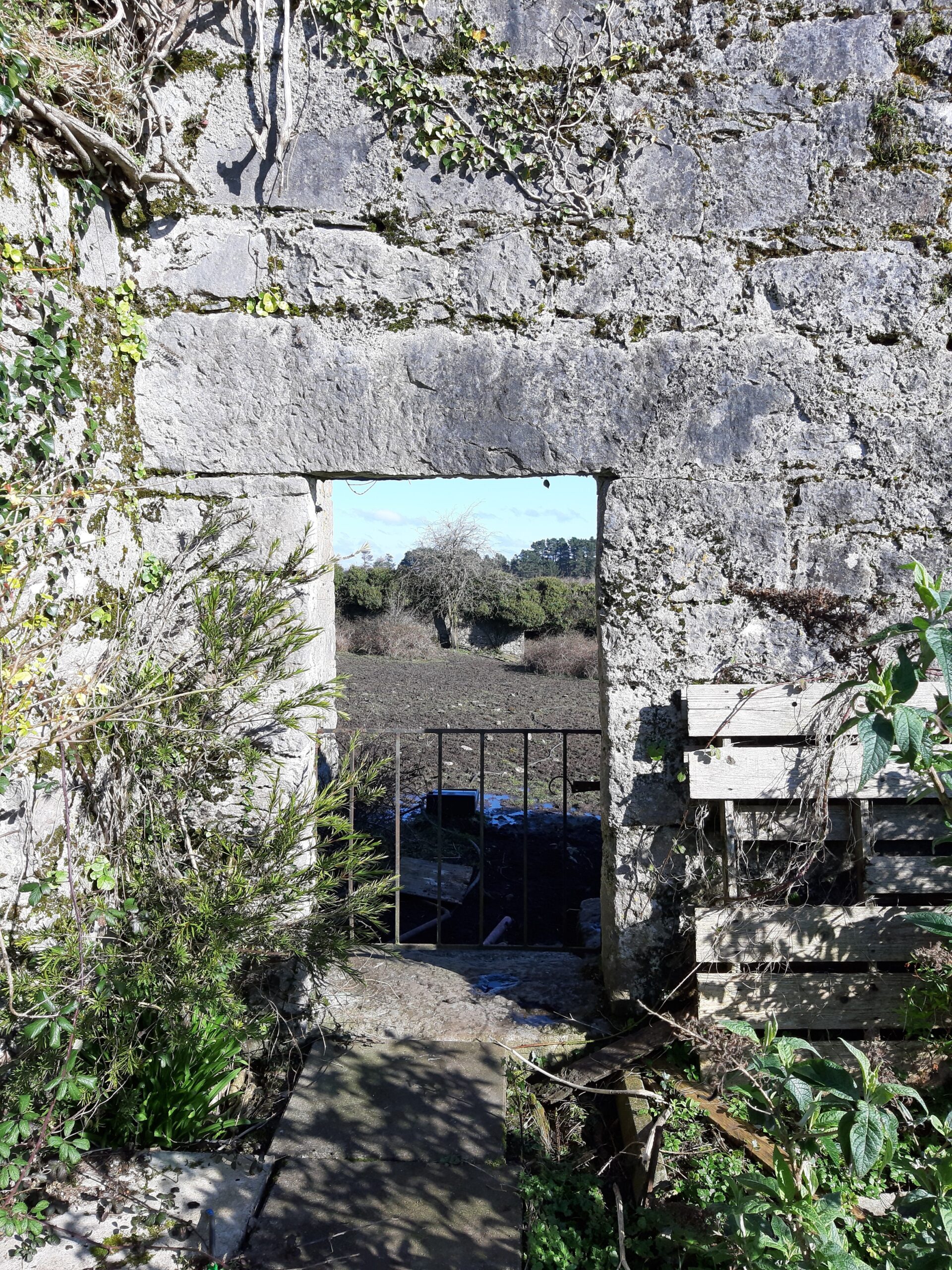
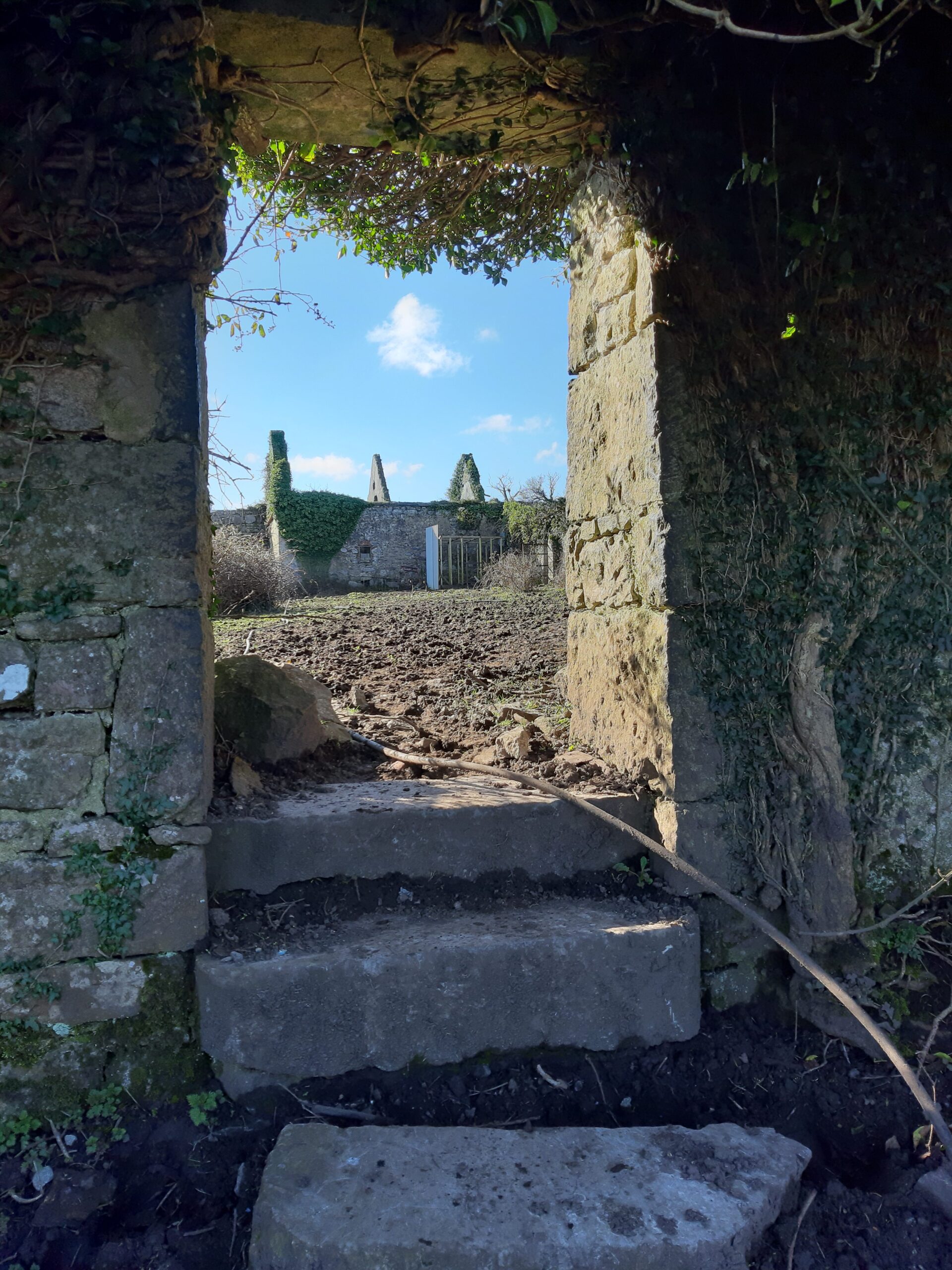
Fr. Blake built the orchards too. They are enclosed by 8’-10’ walls. In the bottom orchard is an altar built into the wall. I wonder if the priests used them as a peaceful place of prayer.
A Funny Story
One Sunday during the summer of 1944, I was studying first year Maths and Dr. Browne, Bishop of Galway, a pompous man, arrived outside the kitchen window. I went out to speak to him and he asked me questions such as who built the house and so on and if he could see the altar in the orchard. I said no, that the door was locked. The truth was that there were chickens in the top orchard to save them from the fox and the door was only shut, not locked. I am still sorry for not having admitted him to see the altar for perhaps he could throw some light on its construction.
Deerfield was also used as a vacation house by the Presentation nuns of Galway city. I often wonder if they pray for us for I worked with them and my sister, Margaret, is a Presentation nun, and two of my daughters started their teaching careers with the Presentation nuns. Some of my grandchildren were educated by Presentation nuns. Of course now, the schools in question are community schools run by lay people.
*Some information given was obtained from my grandmother while I was still a child and the rest from the National Library.
Kitty Dowling (Kyne) Mountmellick, Co Laois.
Griffith’s Valuation
Griffith’s valuation was a land and property survey conducted from 1847 to 1863. Its purpose was to determine taxes based on land value and soil quality. In the absence of most pre-20th Century census data, Griffith’s can provide crucial insight to those interested in genealogy. The survey was conducted in Moycullen from 1853 to 1855. You can find the record of Deerfield or Gortnavea in Griffith’s valuation here.
Deerfield or Gortnvea was occupied by Rev. Francis Kenny. The immediate lesser/landlord was Christopher Blake. The holding was 52 acres, 2 roods, and 24 poles/perches. The features on this estate were House, offices, land, Water, {sic}. Deerfield or Gortnvea was on the shores of lake Hemushmaconry (loch Shéameas Mhic Conaraoi) and the townland boundaries extended into the water amounting to 4 acres, 1 rood, and 36 poles/perches. The land was valued at 28 pounds, the water nothing. The buildings and out-offices were valued at 8 pounds. In all, the 57 Acres and 20 poles/perches of land and its buildings totaled 36 pounds worth of annual rateable property.
The 1901 Census
Deerfield or Gortnavea does not appear in the 1901 Census because the house was vacant at the time.
The 1911 Census
The Enumerators abstract (Form N pg 2) shows that the 1911 Census was taken by Constable Michael Lyster. Form N was filled out 24th of April, 1911.
John Leggett Household – Form A
John Leggett was the head of House 1 in the townland of Deerfield or Gortnavea in the District
Electoral Division of Tullokyne, County Galway. According to the House and Building Return (Form B1), the dwelling was a first-class house, made of stone or brick with a slate or tile roof. With eleven rooms and , this was a home of a family with wealth and does not reflect the typical living of rural Moycullen at the time. The Out-Offices and Farm Steadings Return (Form B2) show the property also had a stable, a coach house, and a harness room. There were also cow and calf houses, a dairy, a piggery, a fowl house, a building house, and a barn. There were extensive structures meant for storage; a turf house, a potato house, and a shed. There was a workshop, a store, a forge, and a laundry.
The house was inhabited by multiple individuals who were not all related John Leggett (47) from Co. Dublin was the land steward for this house. He is listed as the head of household. This Census document is unique because Leggett’s own commentary is recorded on the form (Form A). He belonged to the Church of Ireland, could read and write “barely”, and spoke only English. Leggett was “single but it’s not my fault”.
Mary Hynes (58) was from Co. Galway and worked as a cook/domestic servant. Her relation to John Leggett was as his housekeeper. She had been married for 21 years, and had given birth to five children, three of whom were still alive. She was Roman Catholic, could read and write, and spoke only English.
Pat Hynes (19) was from Co. Galway and worked as a farm servant. His relation to John Leggett was as his servant. He was single, Roman Catholic, could read and write, and spoke only English.
Kate Hynes (17) was from Co. Galway and worked as a general domestic servant. Her relation to John Leggett was as his servant. She was single, Roman Catholic, could read and write, and spoke only English.
The householder recorded on the House and Building Return was Randalph Kilkelly, and the census return for the household was collected on 2nd April, 1911.

No Comments
Add a comment about this page