
Moycullen Famine Pot
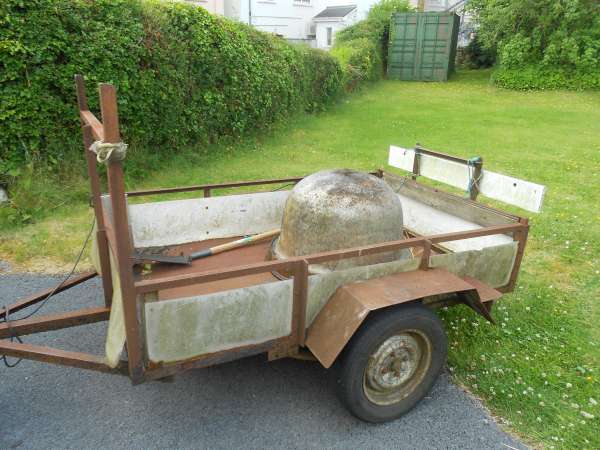
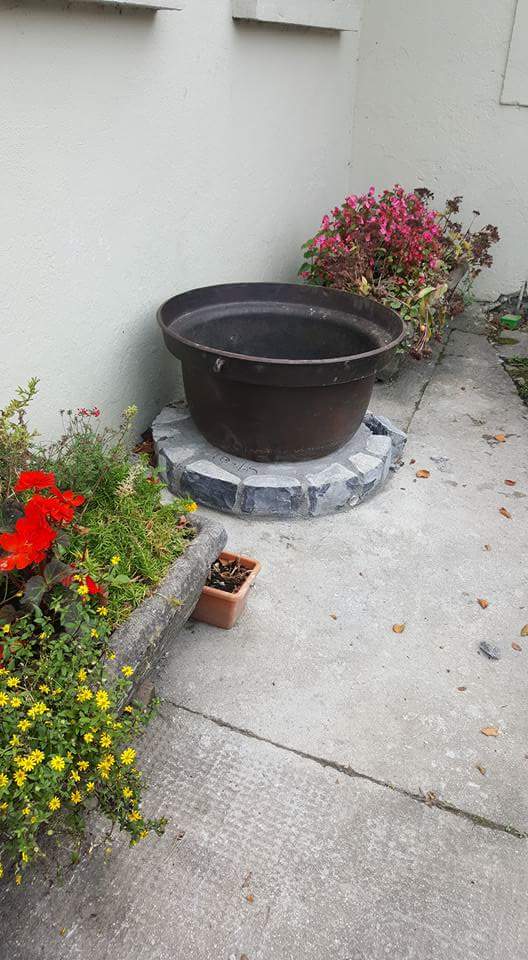
Moycullen Heritage acquired a Famine Pot that had belonged to the late Joe Cunningham of Avila, Kylebroghlan, Moycullen. The pot was generously donated to the group by his son, John Cunningham, on the condition that his father would be acknowledged wherever the pot was eventually displayed.
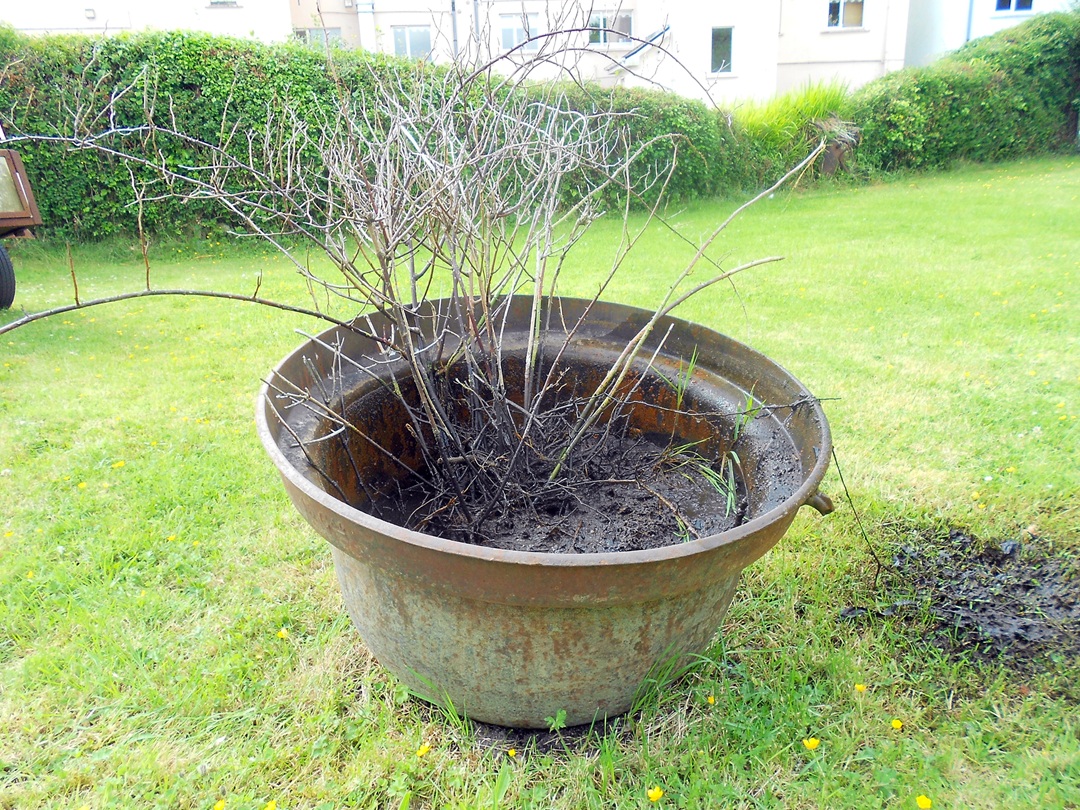
For many years the pot sat in the Cunningham family’s back garden, where it was used as a planter for roses. According to Cunningham family tradition, the pot had earlier been used in the forge that once stood on the site of the present-day Forge Bar and Restaurant. A blacksmith named John Patrick McCorry from Fermanagh worked there, and several other blacksmiths operated on the south side of the village along the main road.
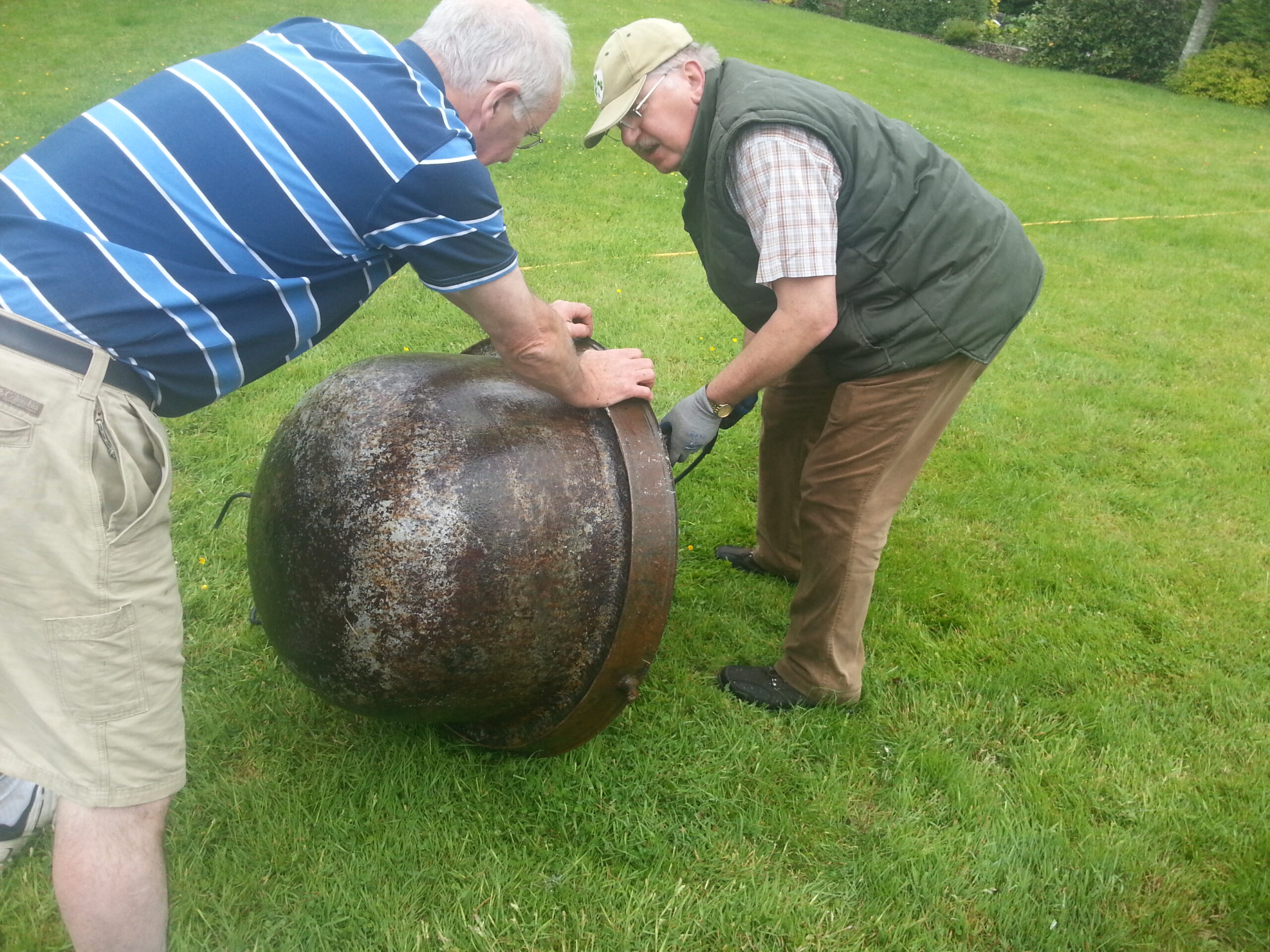
The Moycullen pot has no legs and measures approximately three and a half feet in diameter. It has two hook-like handles on either side of the rim, suggesting that it was suspended by chains over an open fire. The pot has a capacity of 45 gallons, clearly stamped on its side.
In Atlas of the Great Irish Famine (Cork University Press), an article by Helen Hatton in Chapter 2 offers insight into the possible origins of such famine pots. During the Famine years, many organisations attempted to relieve the suffering of the poor and starving in the Connemara region. Among the most effective were the Society of Friends, or Quakers, who provided significant assistance to those in need. The Quakers distributed up to sixty-five large boilers throughout the province of Connacht.
In Fintan O’Toole’s Ireland in 100 Objects, the empty cooking pot is listed as object number 81. He notes how, when everything else was lost, the Irish people still clung to the cooking pot as a symbol of survival. Many of us remember the open hearth with a large six-gallon, three-legged pot that was common in 19th-century homes.
This pot may have served the community in several ways. In the forge, it may have been used to hold water or in the making of horseshoes. At other times it may have been used to cook “stirabout” or gruel made from yellow meal or maize meal to feed groups of people, or perhaps to prepare the well-known Quaker soup.
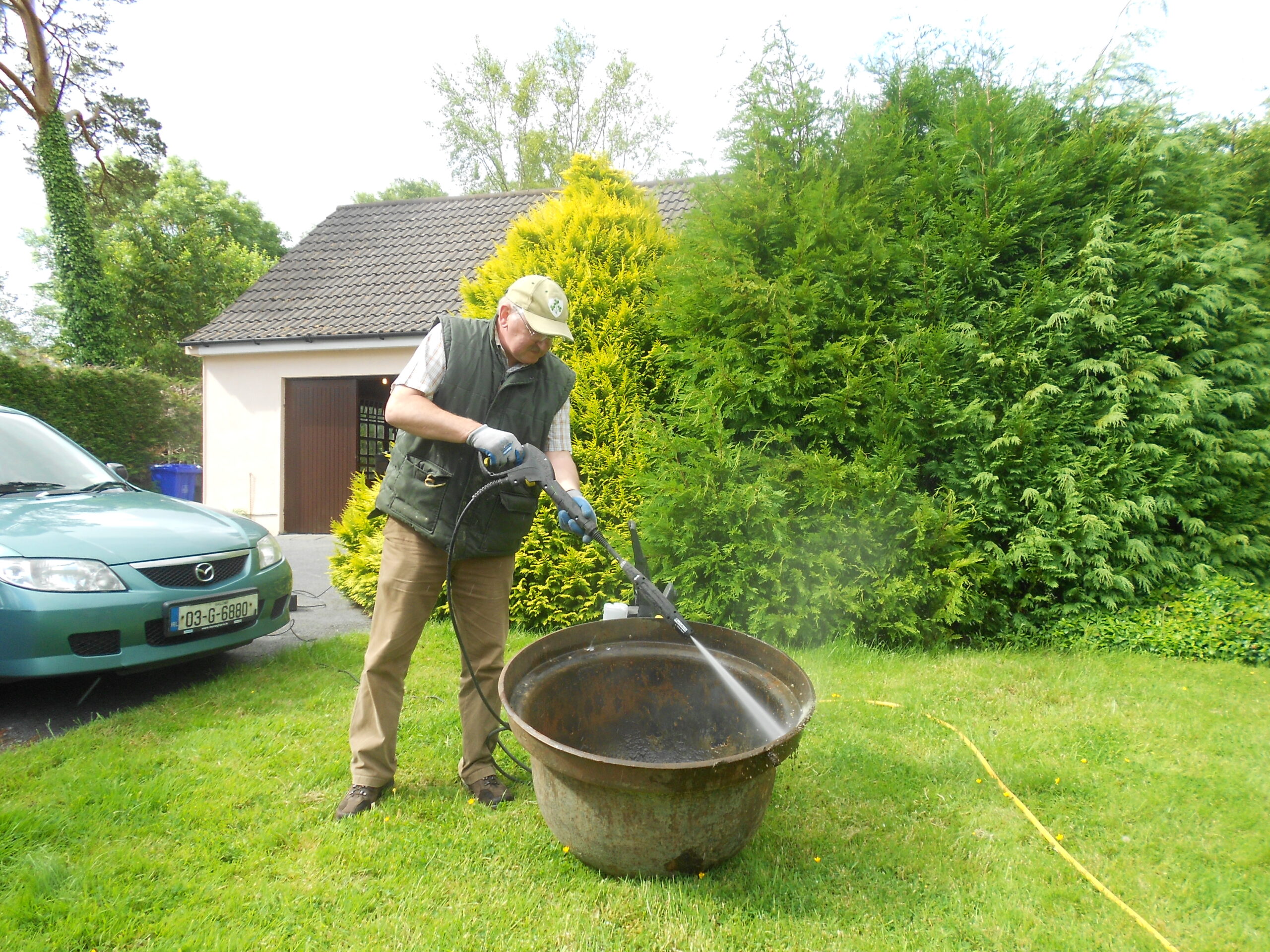
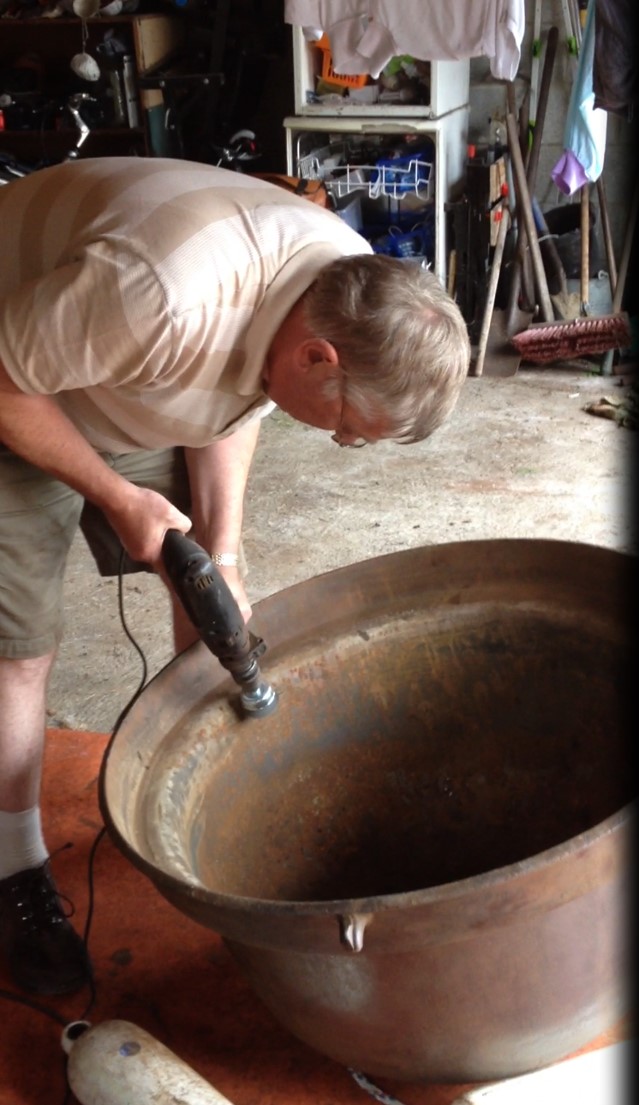
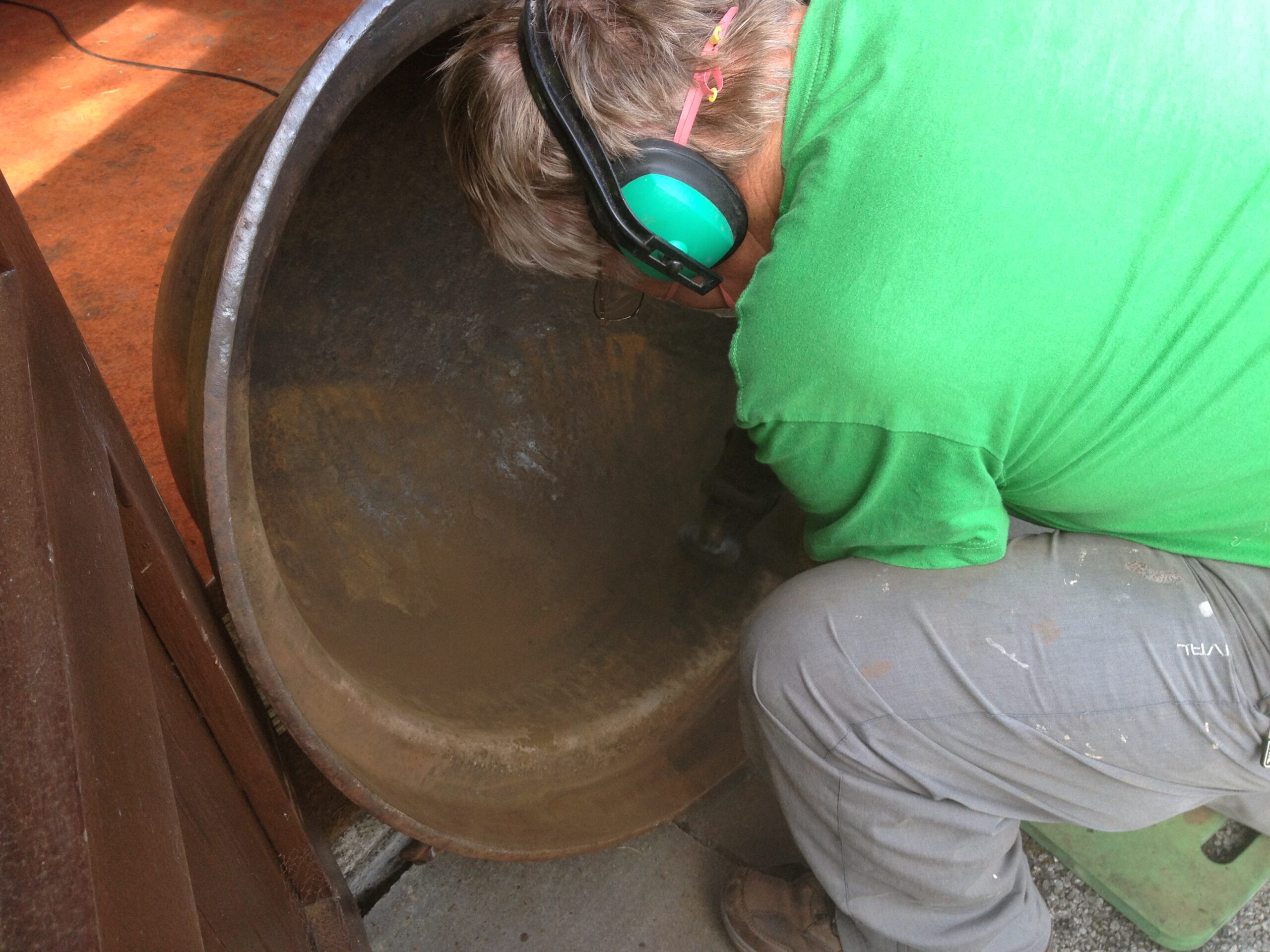
The pot was restored by Joe Loughnane and Gerry Nihill and is now displayed beside the front door of Áras Uilinn.
No Comments
Add a comment about this page