
Moycullen Famine Relief Accounts 1847
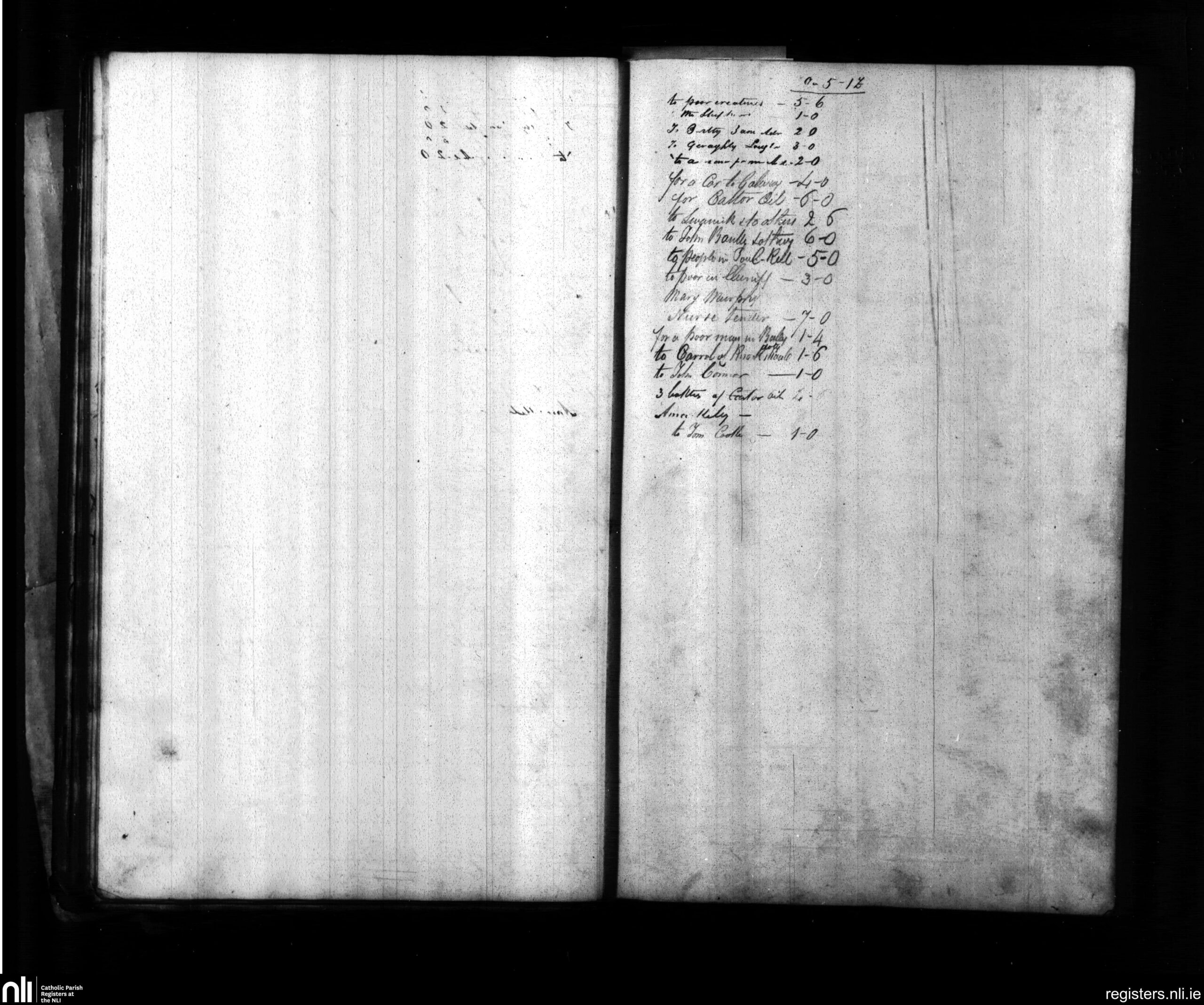
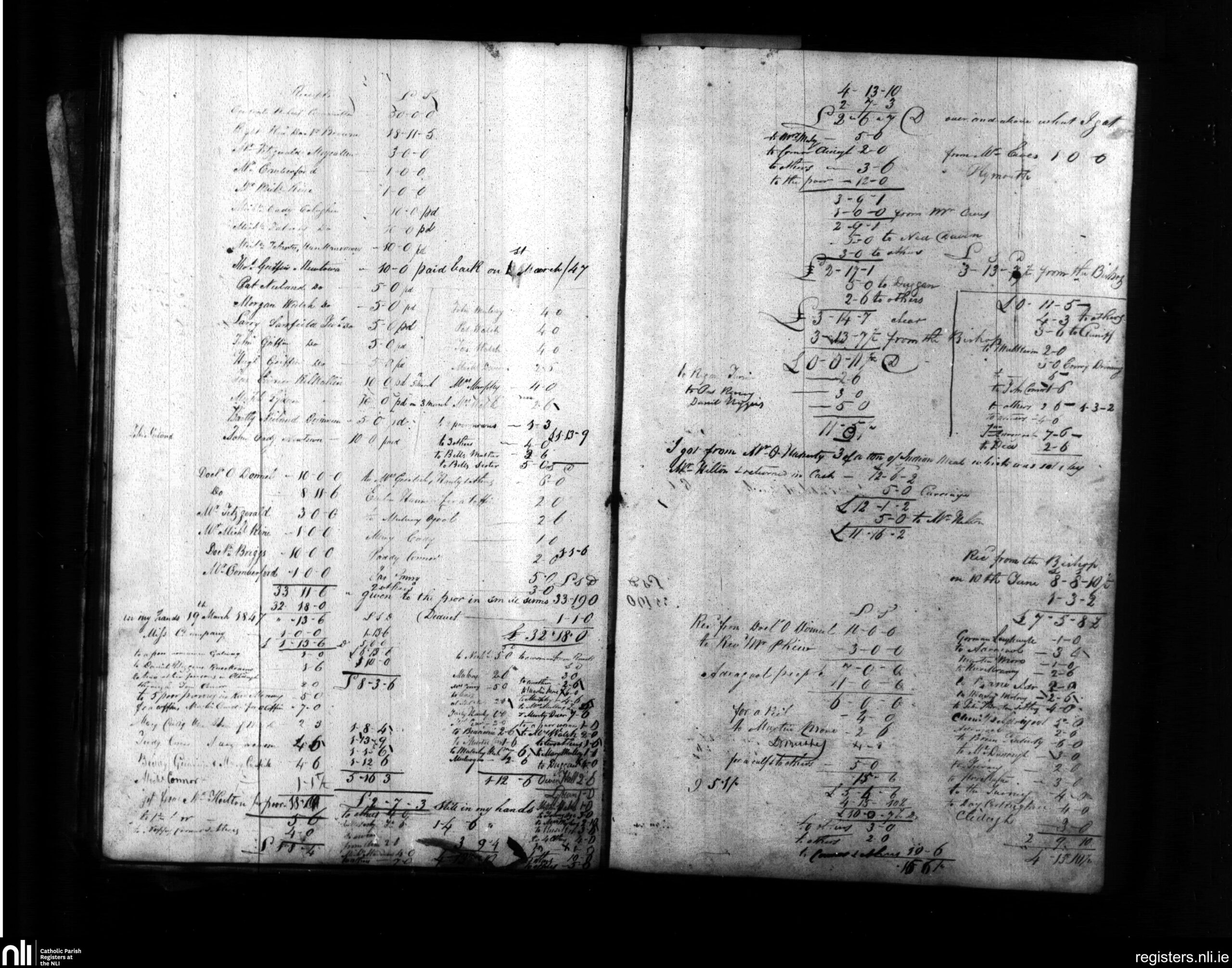
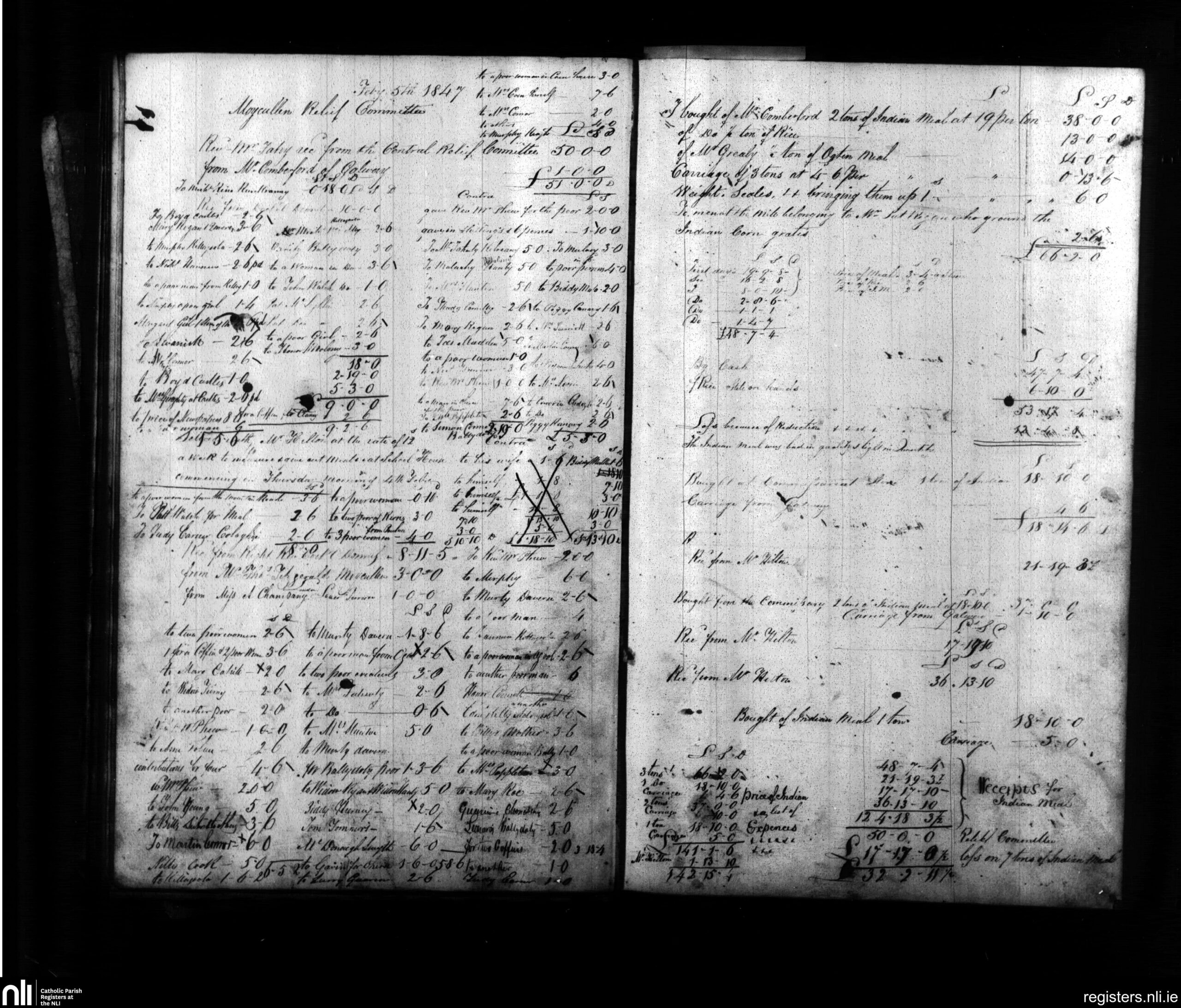
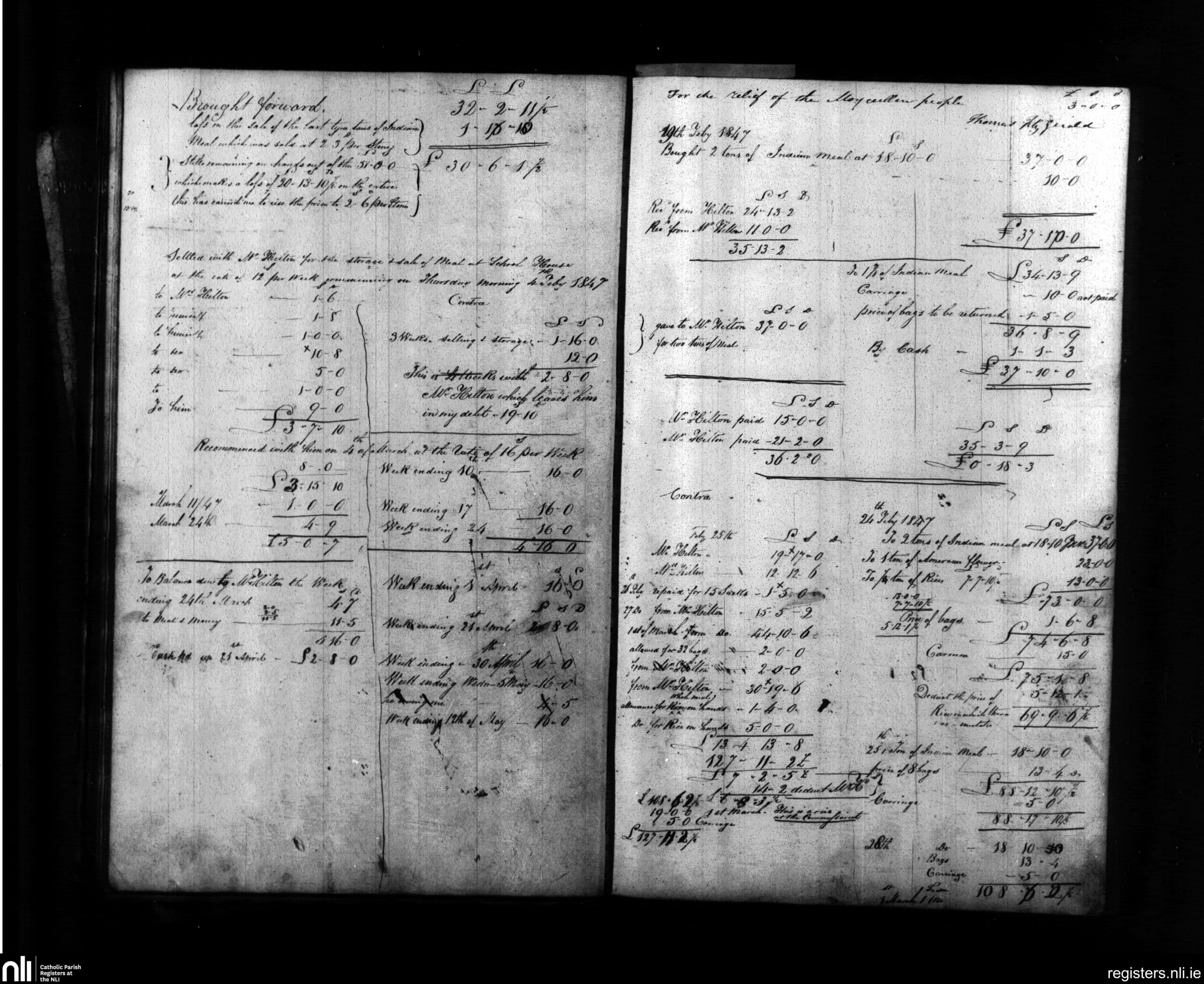
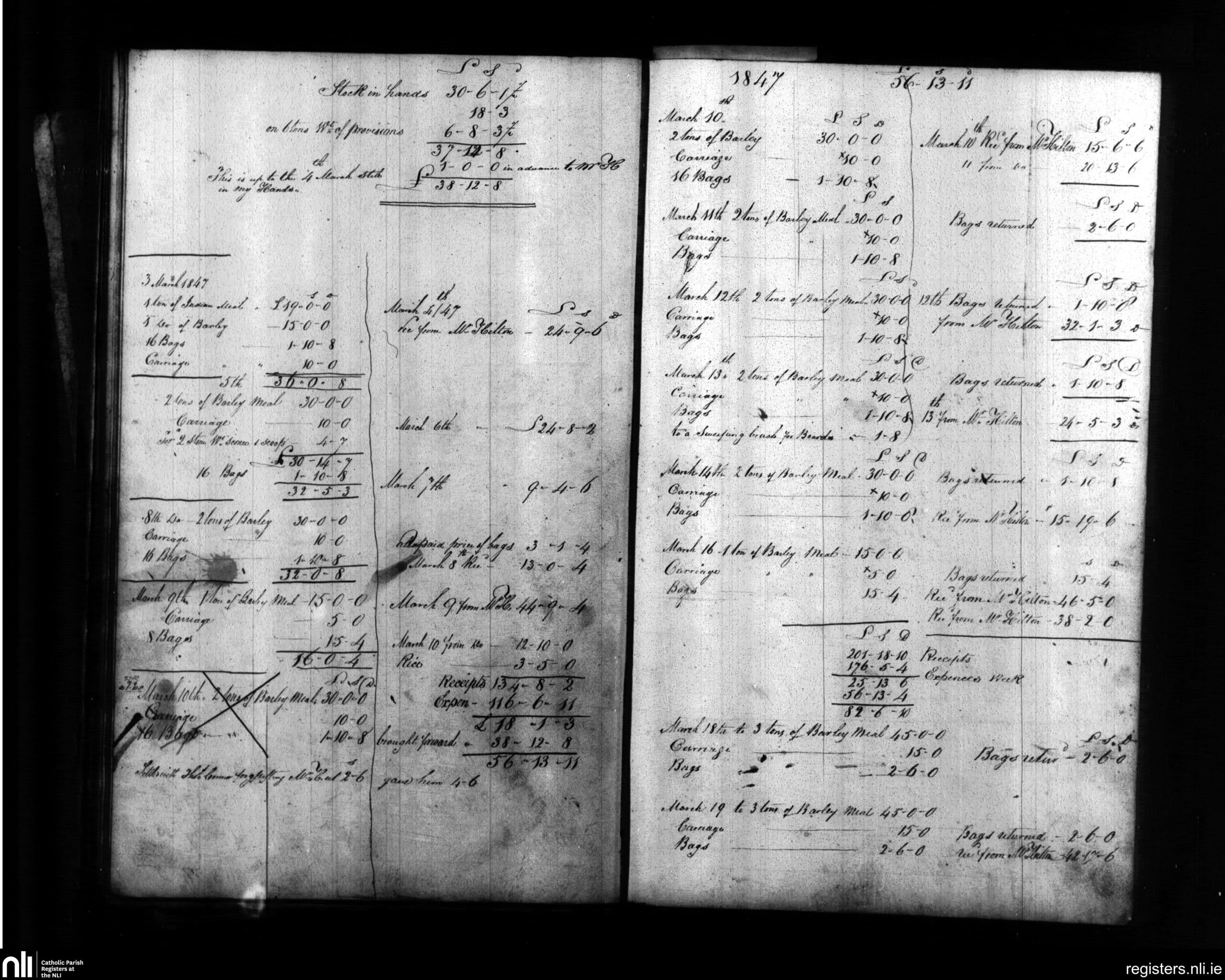
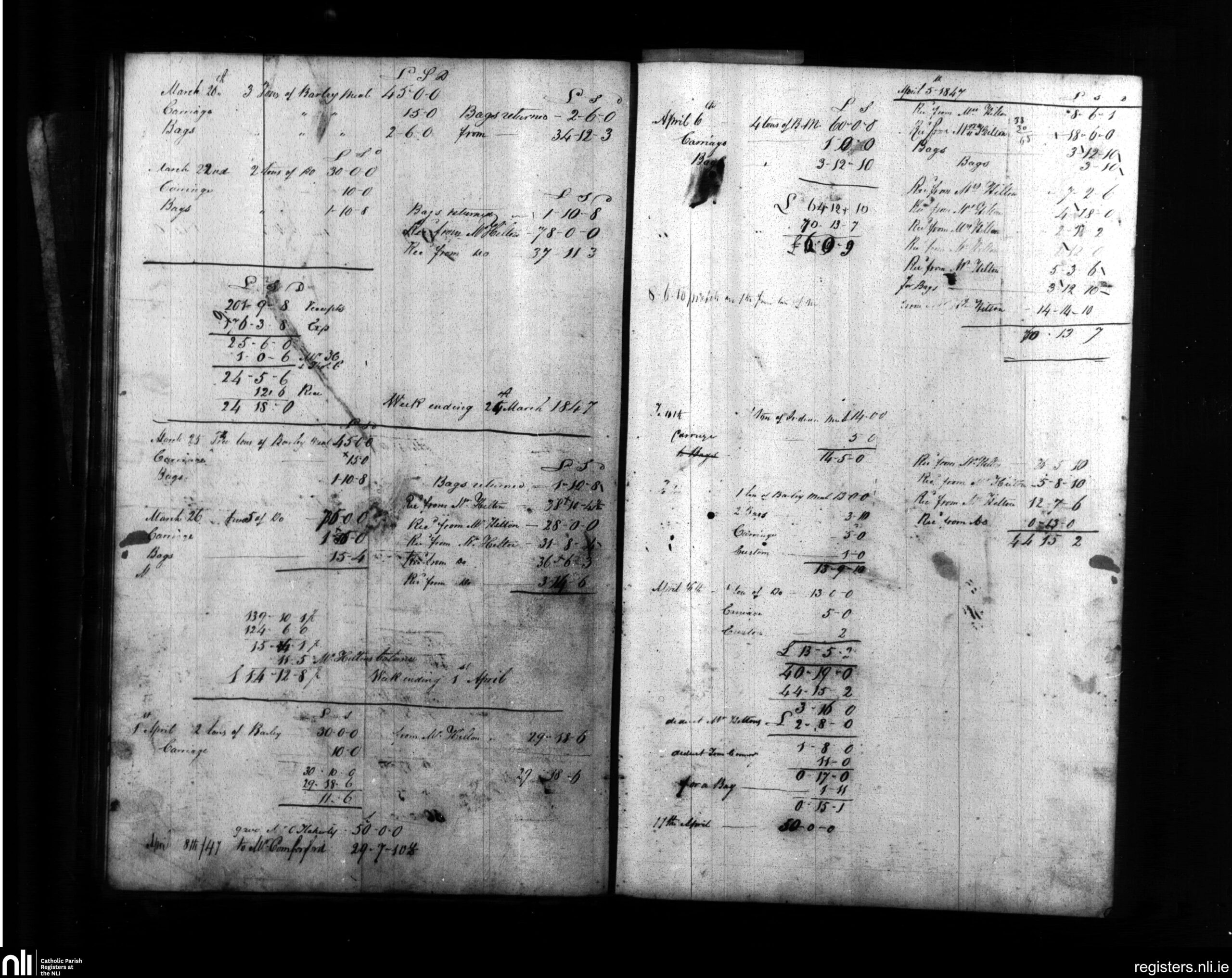
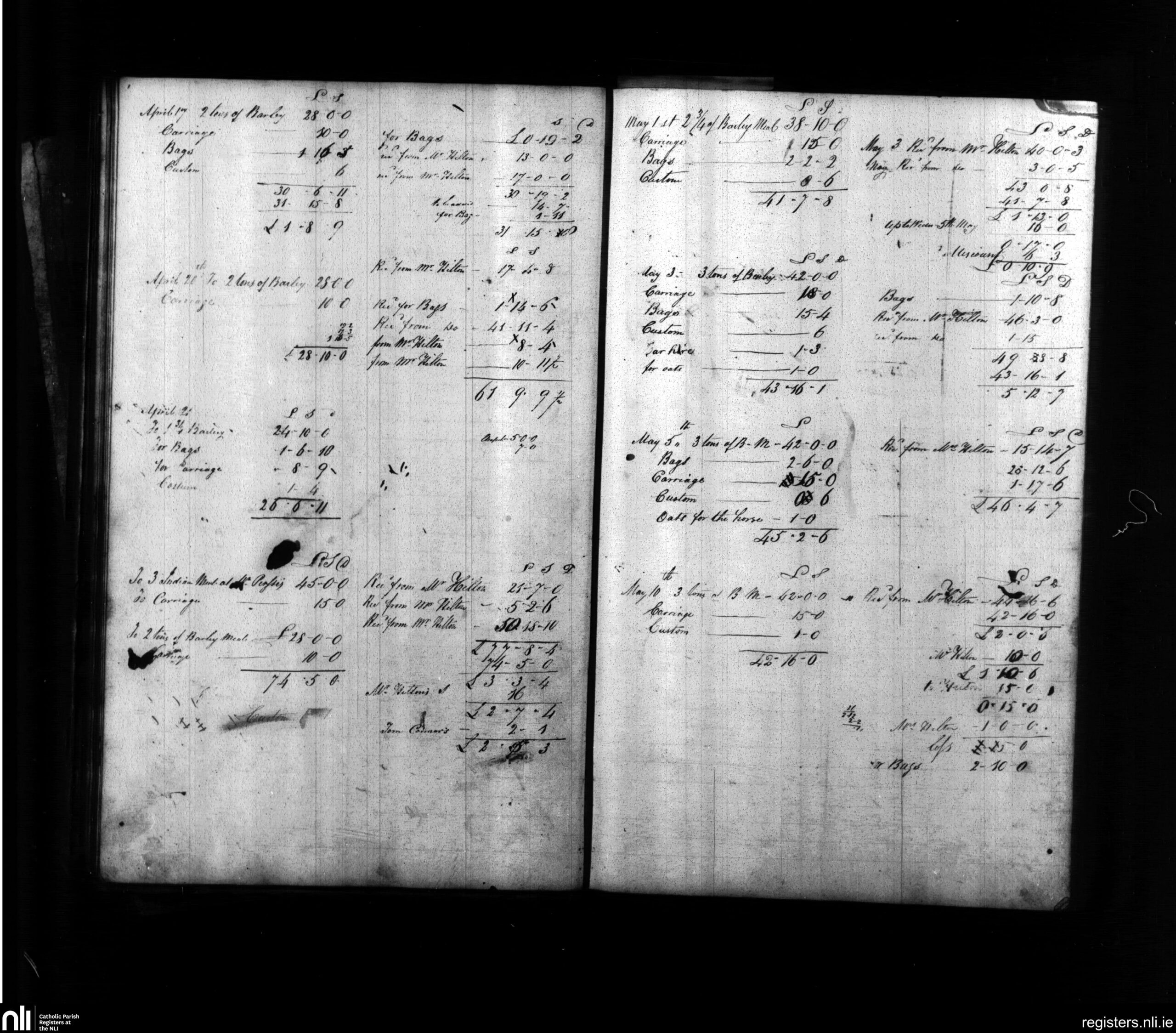
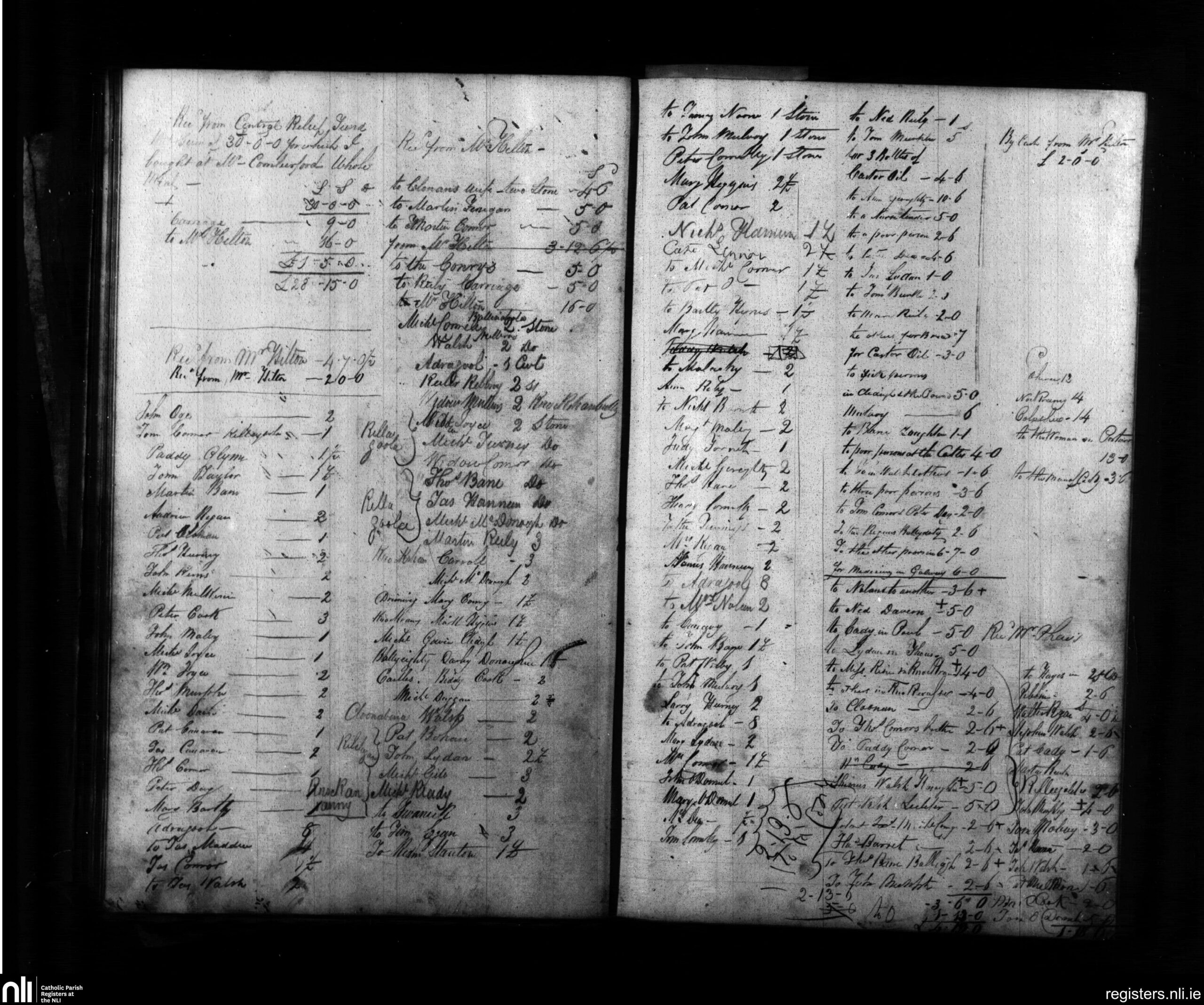
Moycullen Famine Relief Committee Accounts, 1847
A Window into Local Survival During Black ’47
The surviving accounts of the Moycullen Famine Relief Committee from 1847 offer a rare and powerful insight into how one rural Galway parish confronted the worst year of the Great Famine. Preserved as handwritten ledgers, these records document—in stark financial detail—the daily struggle to feed a population on the brink of starvation. Please note that these accounts were recorded in the parish baptism and marriage register to ensure their preservation and safekeeping for the future. All attached details have been sourced from records downloaded from the National Library of Ireland – Moycullen | Microfilm 02441 / 02 Pages 24-31.
A Parish Under Pressure
By early 1847, famine conditions had reached catastrophic levels across the west of Ireland. Moycullen, a largely rural parish in Connemara, was no exception. The Relief Committee emerged as a vital local institution, tasked with receiving funds, purchasing food, and distributing aid to those in desperate need.
The accounts show that this was not a sporadic effort but a continuous, organised operation, with weekly entries tracking money received and spent. The system functioned under intense pressure, with little room for error and almost no financial reserve.
Funding the Relief Effort
The ledger reveals that funds came from a combination of sources:
- Central Relief Committees, likely linked to government-supported famine aid schemes
- Local contributions, including donations from individuals within the parish
- Clerical and community intermediaries, who helped channel and distribute funds
One entry records a substantial receipt of £50 from the Central Relief Committee—an indication of the scale of external support required. Smaller sums from local figures such as Mr. Comberford and Mr. Blake highlight the role of community fundraising, though these contributions were modest in comparison.
Feeding the People: The Core Expenditure
The overwhelming majority of spending was on food—particularly:
- Indian meal (maize), the staple of famine relief
- Barley meal, often milled locally
- Rice, used occasionally as a supplement
Large quantities were purchased regularly, often measured in tons. A typical week might include multiple purchases of Indian meal alongside barley and smaller amounts of rice. These purchases were not isolated events but part of a relentless cycle of supply and distribution.
However, the cost of food was only part of the burden. Each purchase required additional spending on:
- Carriage (transport)
- Grinding (milling grain into meal)
- Bags and handling materials
These logistical expenses, though smaller individually, were constant and unavoidable, underscoring the complexity of famine relief beyond simply buying food.
Distribution: Reaching the Community
Once provisions were secured, the committee distributed aid in two main ways:
Direct Food Distribution
Bulk supplies of meal were allocated to the local population, likely through organised distribution points.
Cash Payments
The accounts also record numerous small payments—often £1—to named individuals such as Patrick Glynn, Mary Higgins, and Martin Joyce. These payments may have enabled recipients to purchase food locally or supported them in other immediate needs.
The presence of many such names reflects the breadth of hardship in the parish. Relief was not confined to a small group but extended widely across the community.
The People Behind the System
A small number of individuals appear repeatedly in the accounts, suggesting they played key roles in administering relief. Names such as Mr. Nolan, Mr. Blake, and Mr. Comberford recur in financial transactions, indicating responsibilities in handling funds or organising distribution.
Their involvement highlights the importance of local leadership—often combining clergy, landowners, and respected community members—in managing relief efforts on the ground.
Scale and Urgency
The financial scale of the operation is striking. Weekly expenditures frequently ranged from £20 to over £60, with total sums over the recorded period likely reaching several hundred pounds. For a rural parish in 1847, this represents a significant mobilisation of resources.
Yet despite these substantial sums, the accounts show no accumulation of surplus funds. Money flowed in and was quickly spent on food and distribution. The system operated on a knife-edge, reflecting the urgent and ongoing demand for relief.
A System of Survival
What emerges from these records is not simply an account book, but a portrait of a community fighting to survive. The Moycullen Relief Committee functioned as a local lifeline, converting every available pound into food for those in need.
The ledger captures the rhythm of famine life:
- funds received
- food purchased
- aid distributed
- balances recalculated
- and the cycle repeated week after week
There is little evidence of long-term planning or recovery—only the pressing need to meet immediate hunger.
Historical Significance
These accounts provide invaluable insight into the local mechanics of famine relief, complementing broader national narratives. They demonstrate:
- the dependence on imported food such as maize
- the role of local organisation in distributing aid
- the scale of need in rural communities
- the constant financial and logistical pressures faced by relief committees
Above all, they remind us that the Great Famine was experienced not only as a national catastrophe, but as a series of local crises, managed day by day by communities like Moycullen.
Conclusion
The Moycullen Famine Relief Committee accounts of 1847 stand as a testament to both hardship and resilience. They document firsthand a moment when survival depended on careful accounting, rapid response, and collective effort.
In their faded ink and careful columns, these pages preserve the story of a parish that, in the face of overwhelming adversity, organised itself to feed its people—one week at a time.
No Comments
Add a comment about this page