A trip to the National Museum’s Natural History Collections
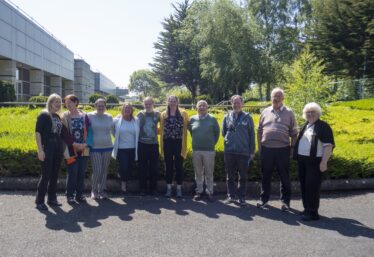
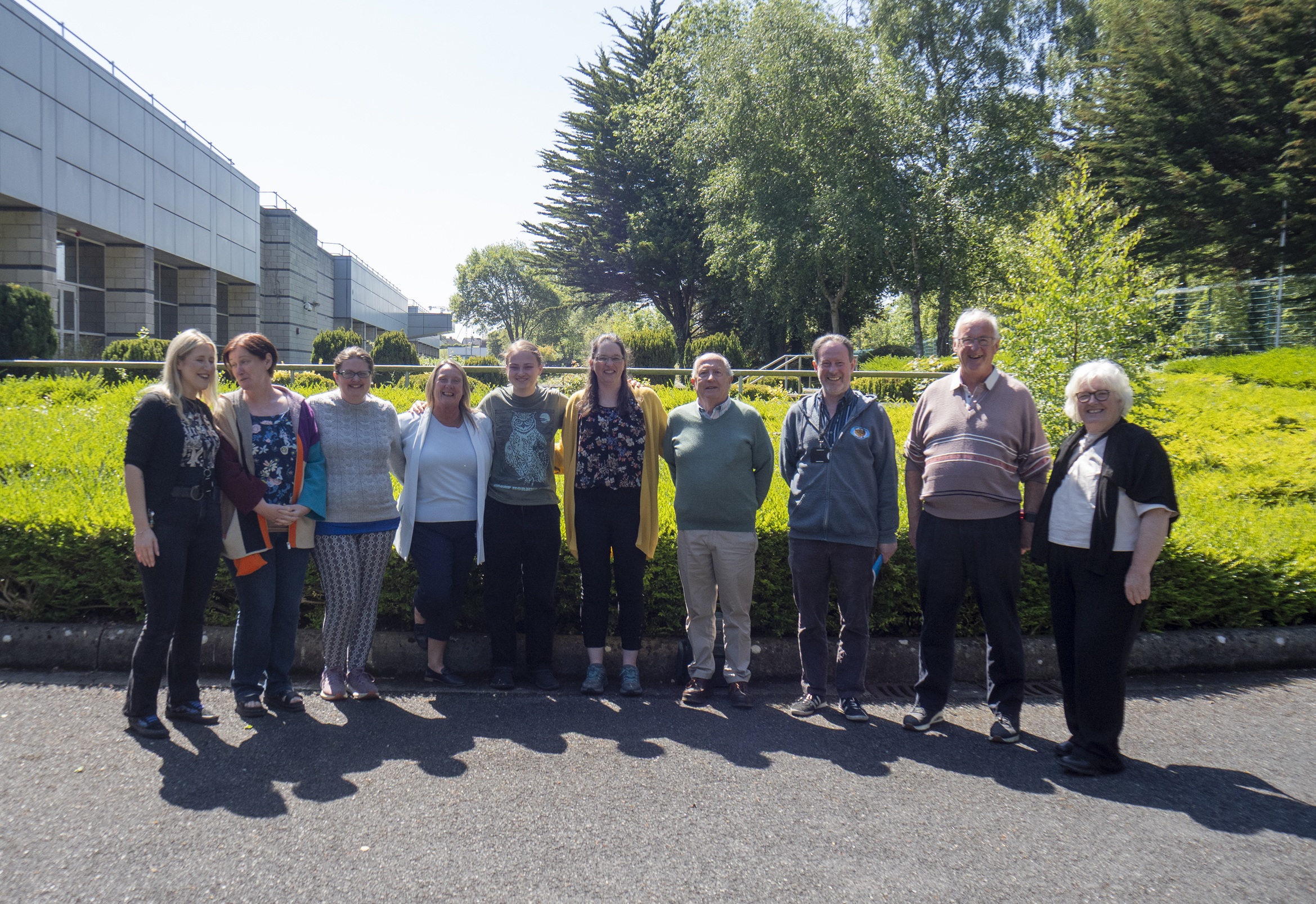
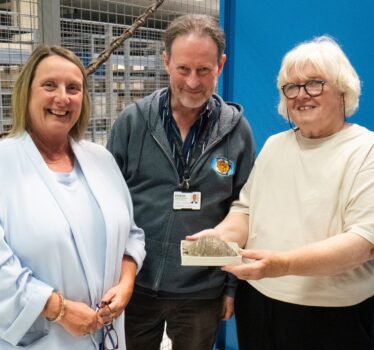
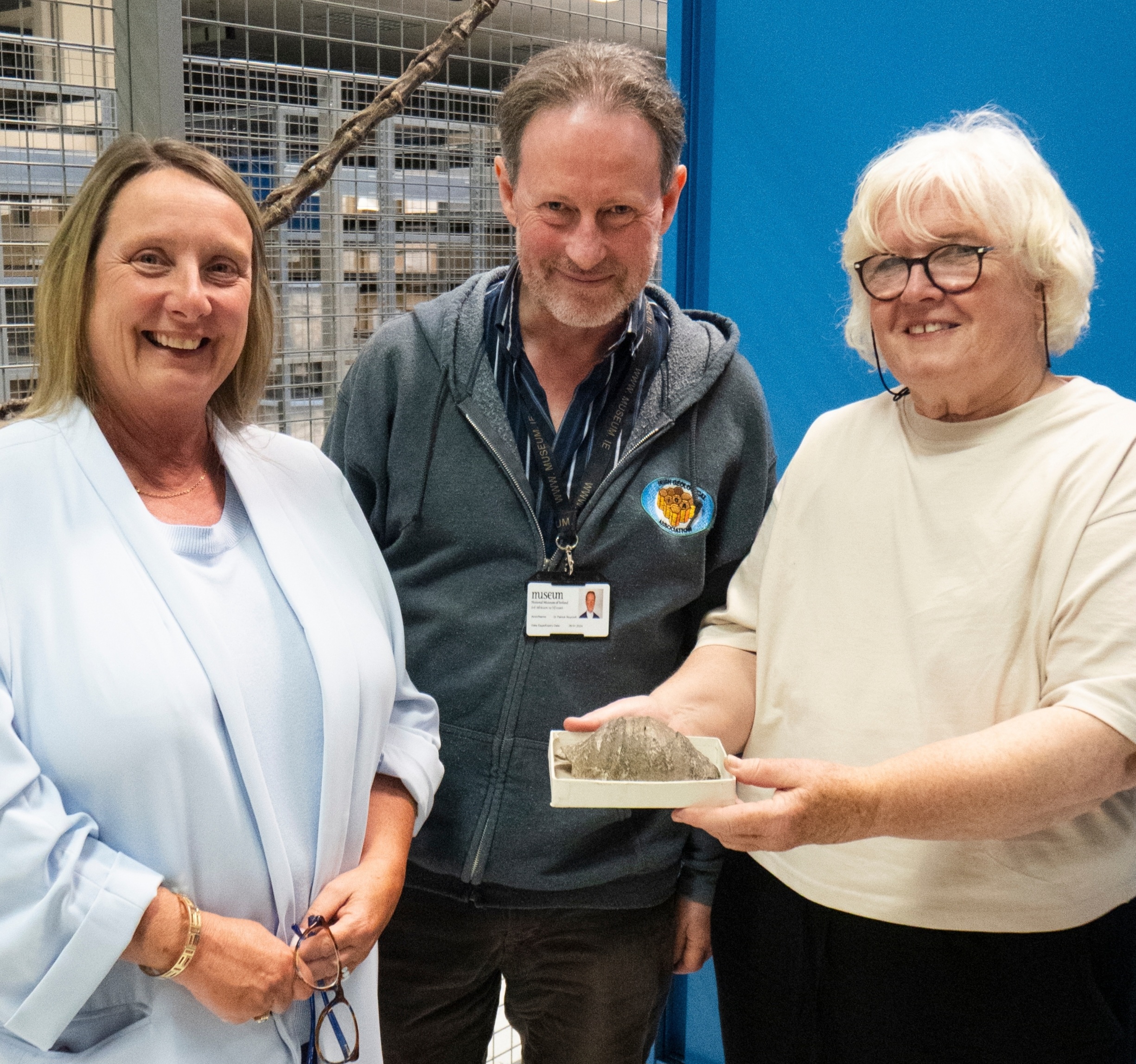
On May 21st, 2025, Hazel Morrison and Mary O’Shea, with members of six other heritage groups, travelled to Dublin to access the National Museum’s Natural History Collections as participants of the Dead Zoo Lab Project. This project, facilitated by Adriana Ballinger, Postgraduate Research Fellow at the National Museum, is a part of an iCAN collaboration with the Natural History Museum known affectionately as The Dead Zoo. The research carried out by the various groups will be part of an exhibition planned for Collins Barracks in the Dead Zoo Lab later this year.
Moycullen Heritage has chosen a brachiopod fossil for its research. Before getting down to the business of learning about brachiopod fossils, together with the other heritage group members, they were brought on a tour of the facility which was vast and bursting at the seams with an eclectic mix of treasures.
Following this they were divided into the two groups which covered the chosen areas of research, namely zoology and geology. Dr. Emma Murphy, Zoology Curator and Dr. Patrick Roycroft, Geology Curator took them to their areas of specialisation and so began an intensive course for Mary and Hazel on brachiopod fossils among other geological subjects being covered by the other heritage group members.
As Moycullen Heritage’s project is associated with our limestone landscape to the east of the parish, Hazel and Mary were intrigued to discover that there was only one county in Ireland which did not have limestone as its bedrock. After several incorrect guesses, Dr. Roycroft informed them that it was Wicklow! A fact that they will no doubt never forget.
Dr. Roycroft ‘s knowledge was invaluable in helping with the ongoing research. The opportunity to see and hold an actual example of a full brachiopod fossil added to this practical experience, so much so that both ladies can instantly and confidently identify a brachiopod fossil within their environment.
No Comments
Add a comment about this page