
Where Limestone Meets Legend
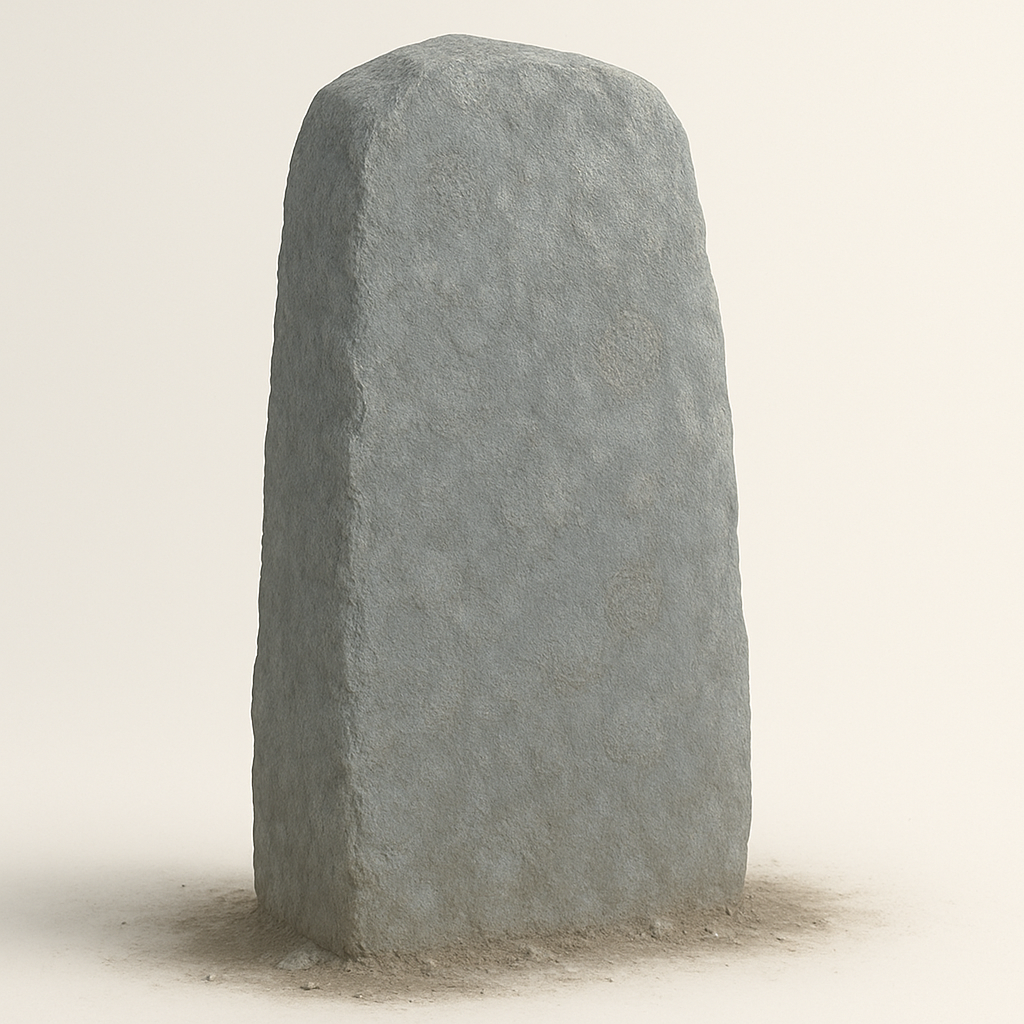
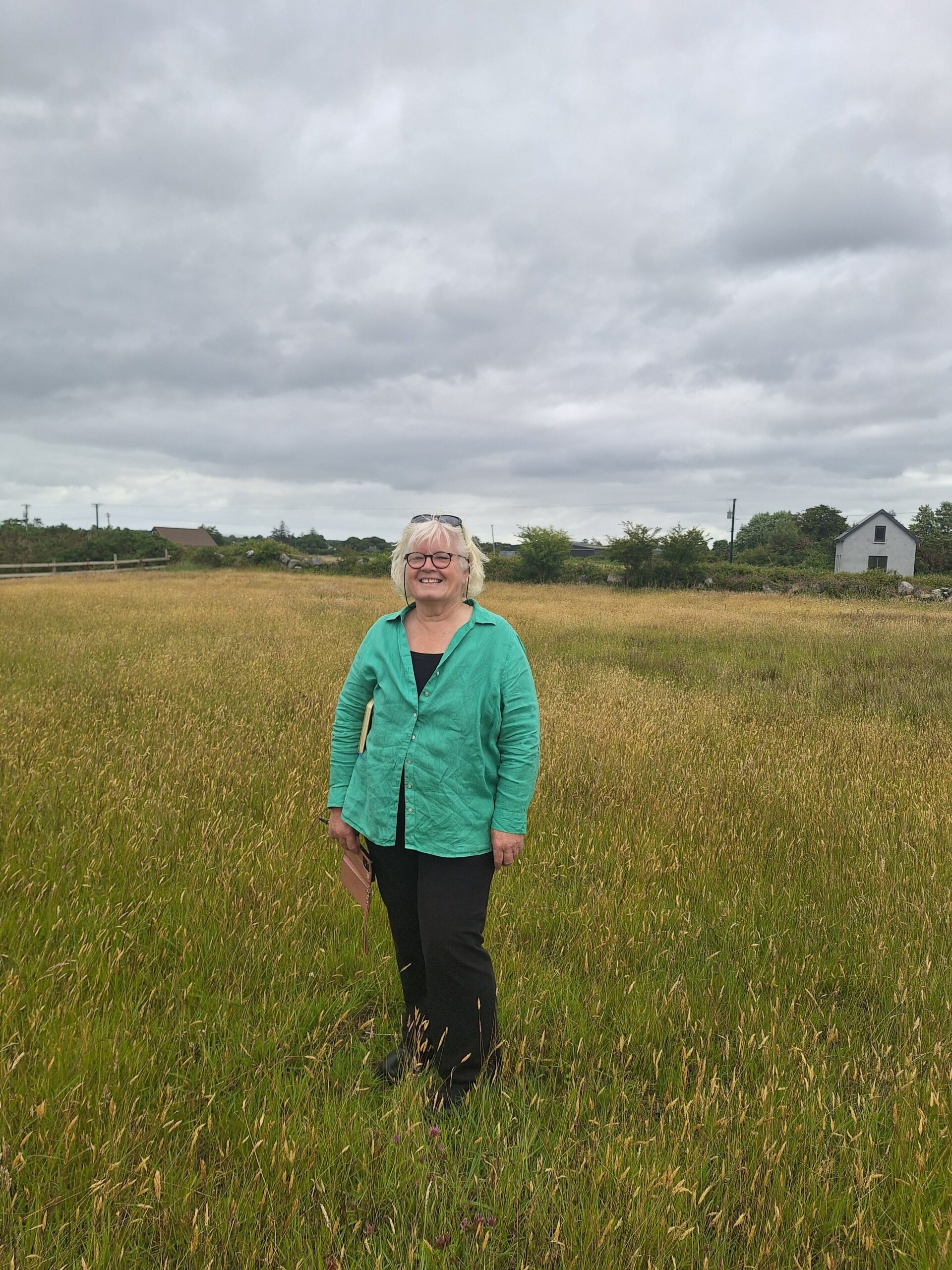
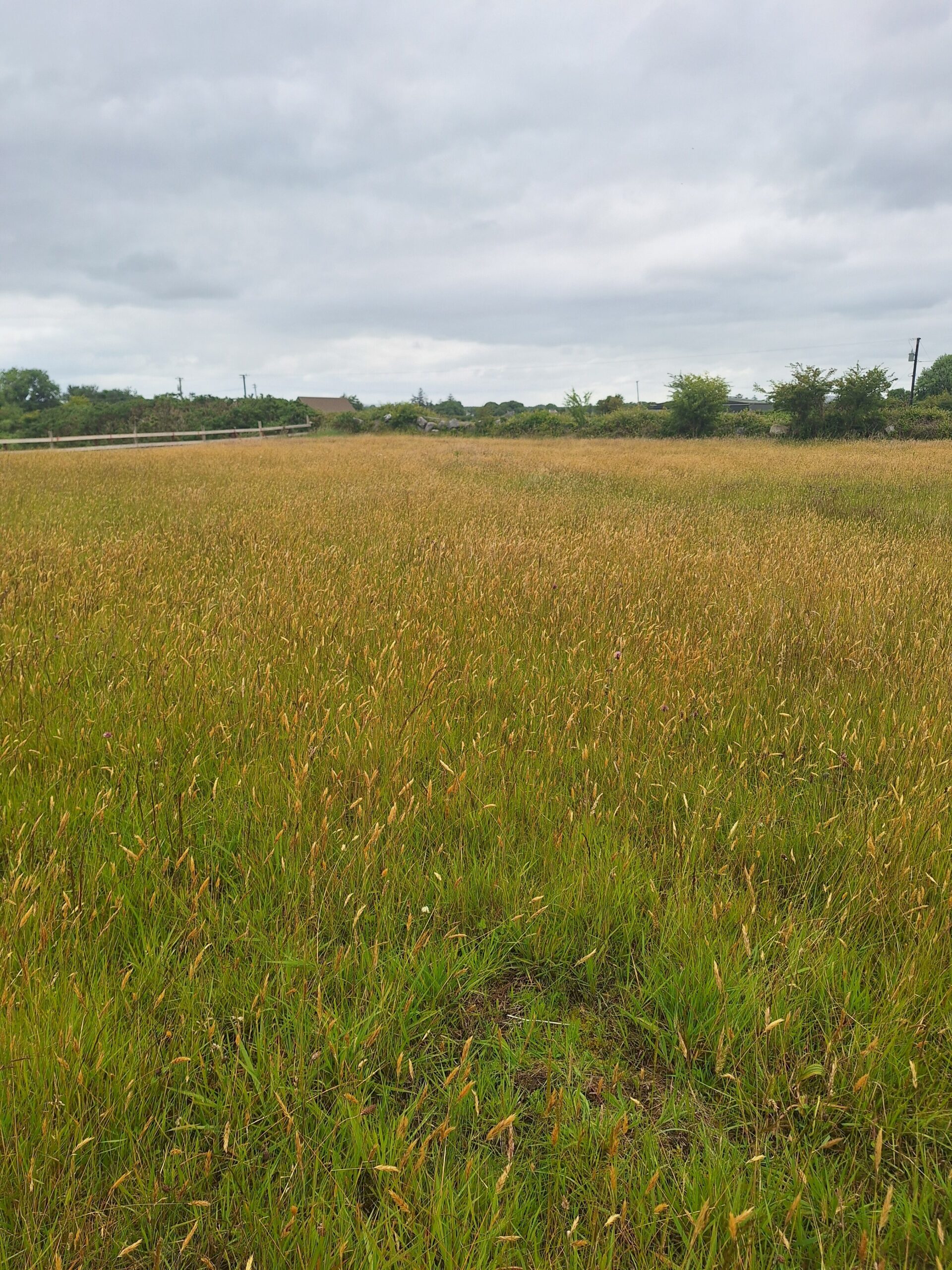
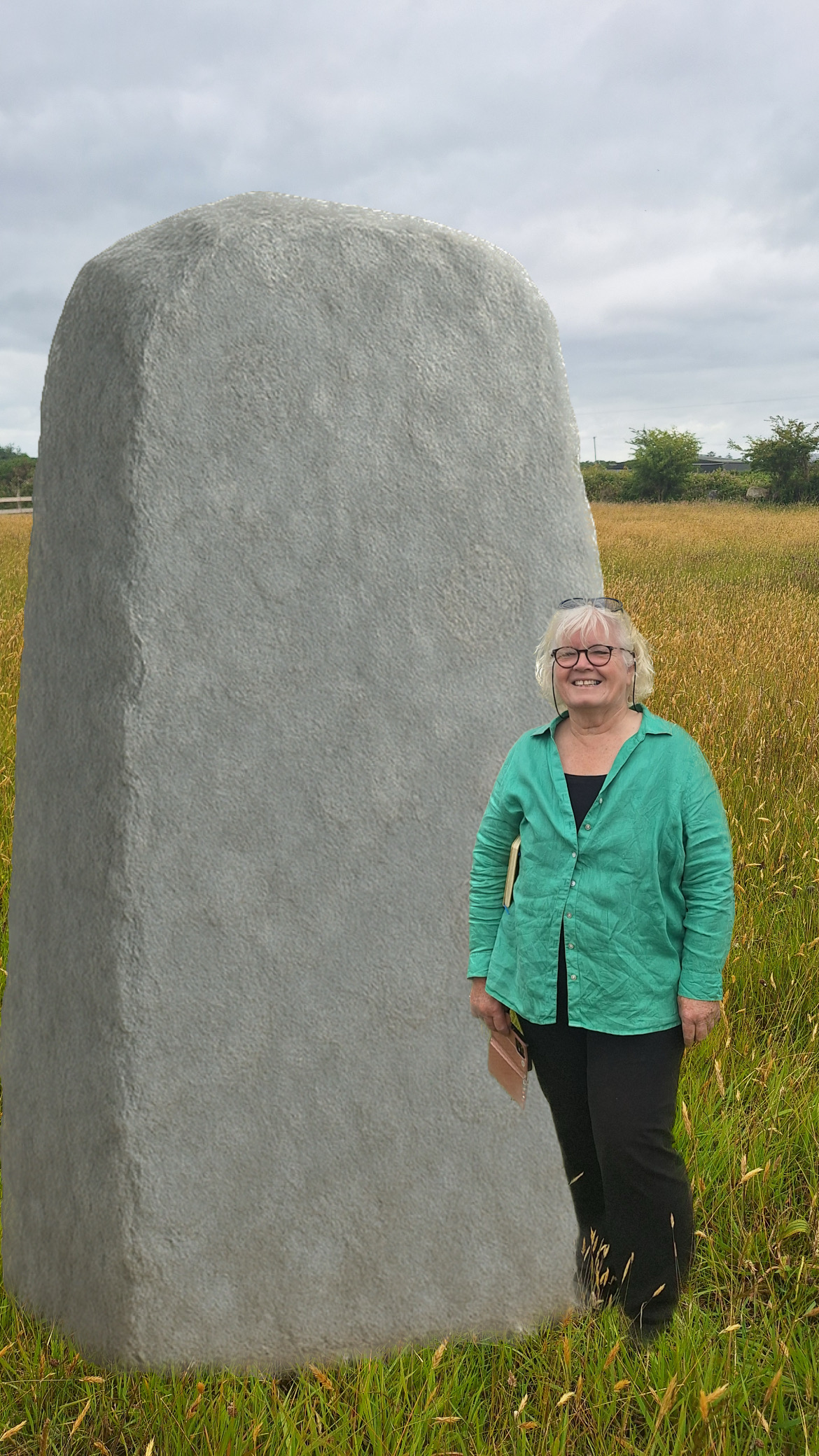
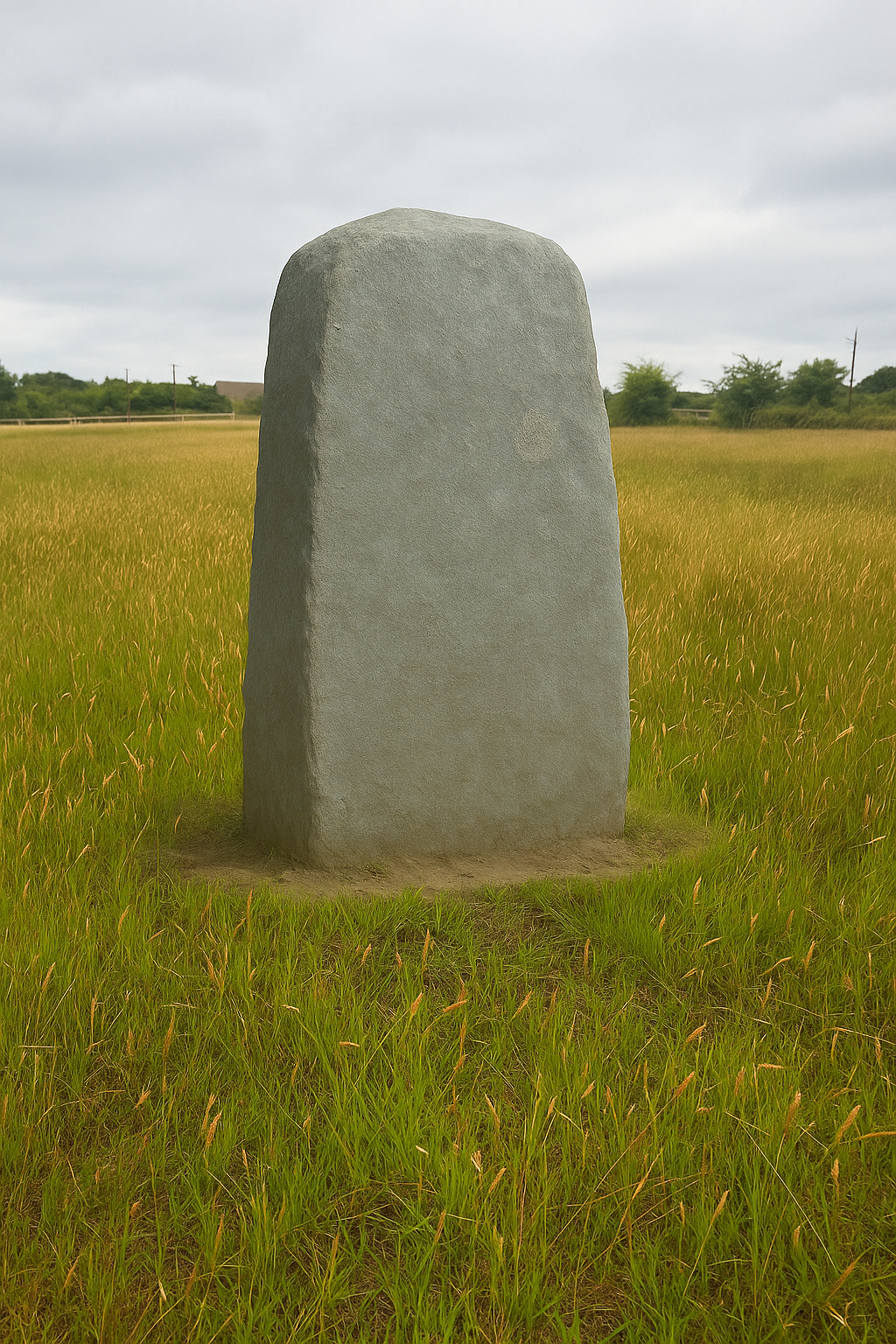
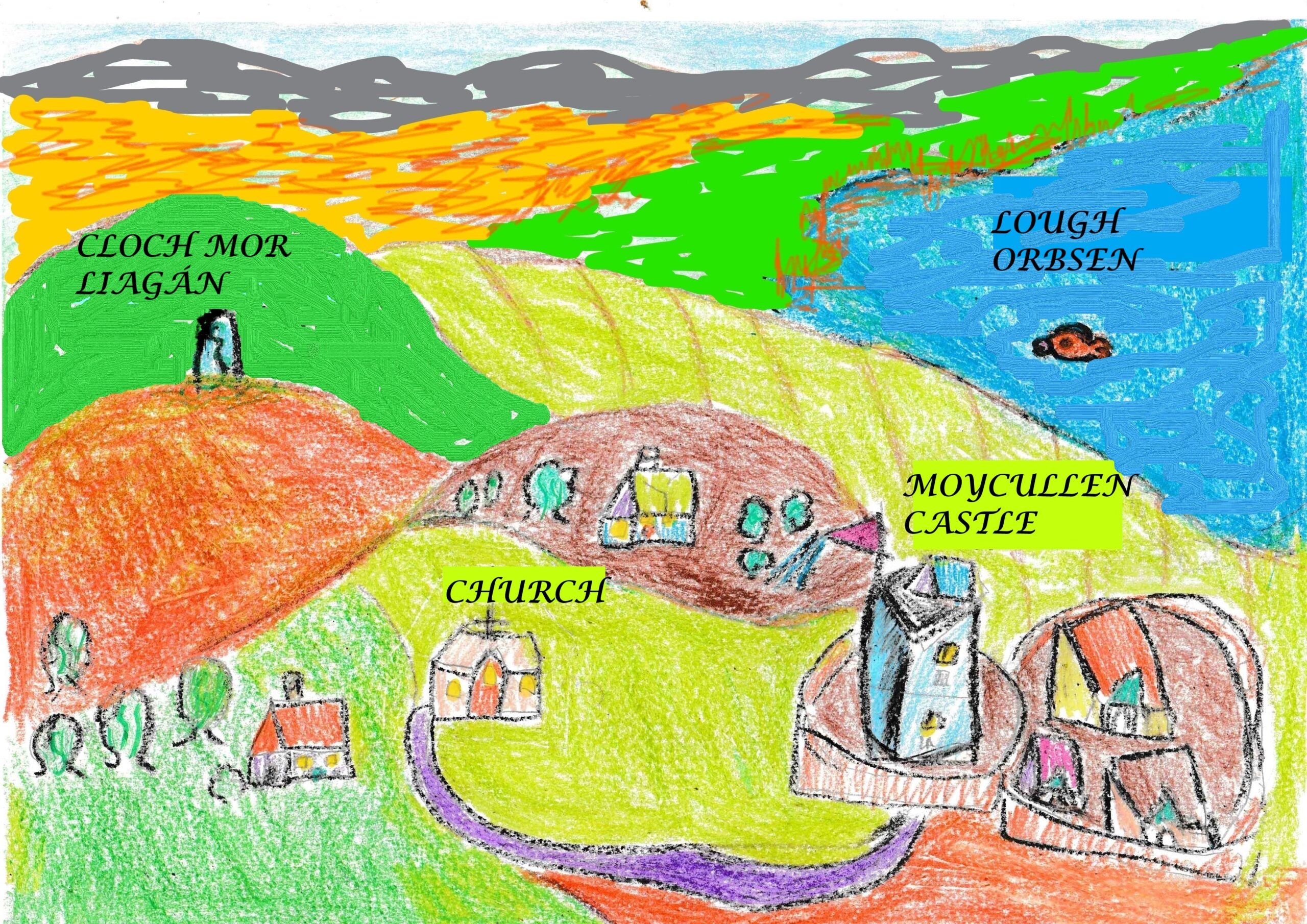
A great limestone slab once stood in the townland of Liagáin, known locally as ‘Clough-more Legaun’ (the great stone of Legaun). The word Liagáin means a standing stone. Given the prevalence of fossils in the local limestone, its surface may well have been marked with the imprints of ancient brachiopods, corals, and crinoids. In local folklore, it was a leacht sí (a fairy monument) said to mark the burial place of warriors of old.
According to the 17th-century scholar Ruaidhrí Ó Flaithheartaigh, the stone commemorated a legendary battle fought some 1,200 years before the birth of Christ. Here Uillinn, grandson of Nuadu Airgetlám (Nuadu of the Silver Hand), King of Ireland, defeated and killed Oirbsiú Mac Alloid who was better known as Manannán Mac Lir famed for his skill in seafaring. Where Oirbsiú fell, a great spring emerged and formed the sheet of water known then as Loch Oirbsen and today as Loch Coirib. Moycullen takes its name (Magh-Uillinn -the plain of Uillinn).
Sir William Wilde visited the site in the 1860s and recorded the stone as “a large limestone flag, which was prostrated in the storm of 1839 [Oíche na Gaoithe Móire], measuring 12½ feet long, 7 1⁄2 feet wide, and 13 inches thick.” Wilde believed it to be the monument described by Ó Flaithbheartaigh in his Chorographical Description of Iar-Chonnacht (1684), marking the place where Orbsen fell. Wilde noted that from here the view stretched east across Lough Corrib to the Clare hills, with the land from Claregalway to Knockma in between, and west to the varied peaks of the Connemara mountains.
In the 1870’s Kinahan visited and described it as ‘a remarkable, tall standing stone’ so it must have been re-erected at some stage. There is no trace of the standing stone today as it was broken up in the 1930s and pieces of it were used in stone walls. It lives on in local memory and the pages of history and legend.
References
- Ó Flaitheartaigh, Ruaidhrí (1684). A Chorographical Description of West or H-Iar Connaught. Ed. James Hardiman, Irish Archaeological Society, Dublin, 1846.
- Wilde, William R. (1867). Lough Corrib: Its Shores and Islands. McGlashan & Gill, Dublin. pp. 304–305.
- Kinahan, G.H. (1872). “On the Geology of the Western Part of the County of Galway.” Journal of the Royal Geological Society of Ireland, vol. 2, p. 12.
- Archaeological Survey of Ireland (1987). Letter from Enda Farrell to the Archaeological Survey of Ireland, 8 September 1987.
- 2019. A Moycullen Miscellany. History, architecture and the Archaeology of the N59 Moycullen Bypass. Dublin: Transport Infrastructure Ireland.
- Maigh Cuilinn : a táisc agus a tuairisc. ; Breathnach, Pádraic, 1942– Indreabhán, Co. na Gaillimhe : Cló Chonamara
No Comments
Add a comment about this page