
Far-Flung Fossils
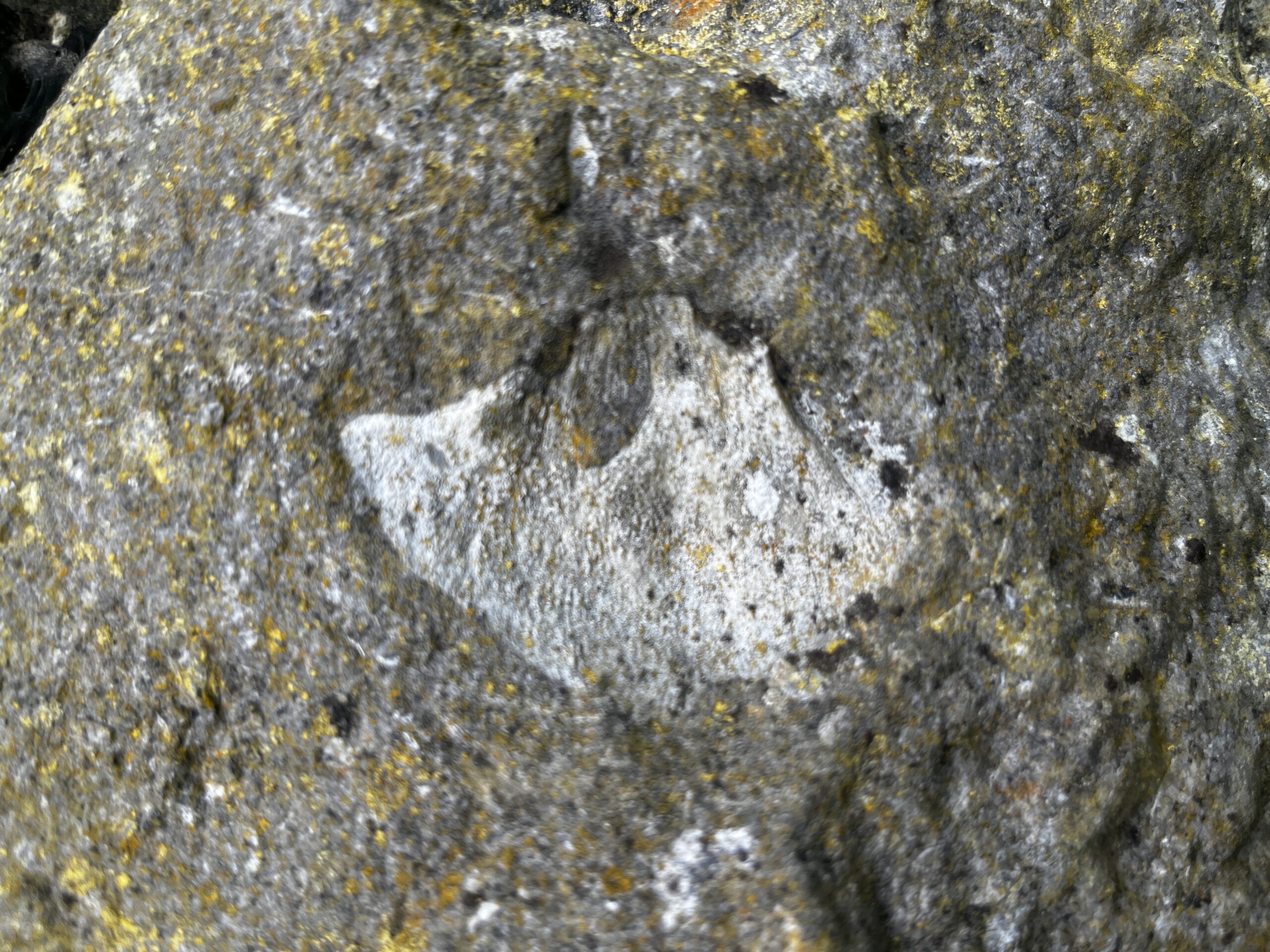
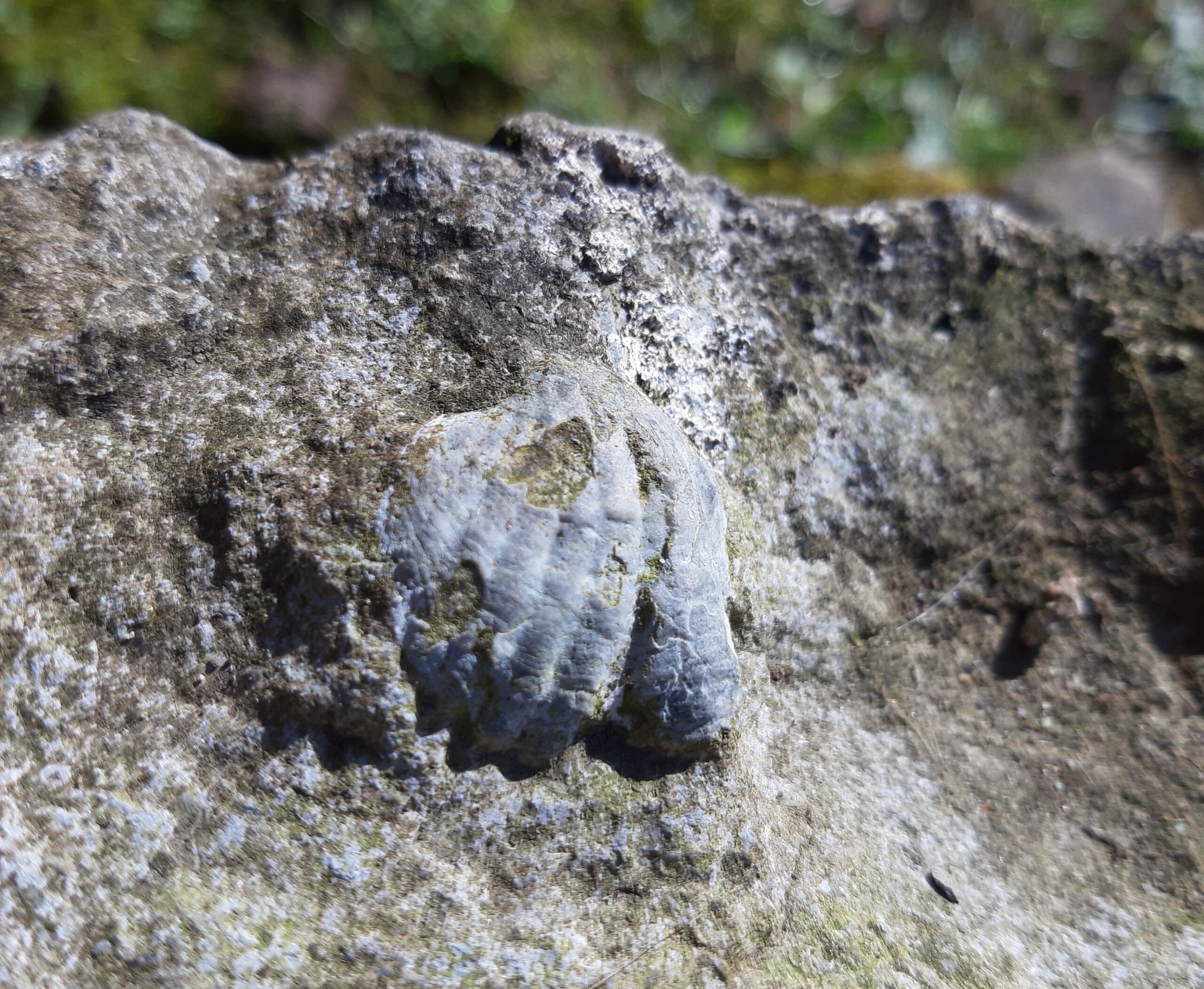
During research, I came across some interesting desciptions and stories about brachiopods from other places. It is not too difficult to understand why they came up with fanciful stories as an explanation when you see the example of the brachipod we found in the gable of the church while filming in An tSean Reilig, or the example found at A Walled Garden, Peaches and a Priest
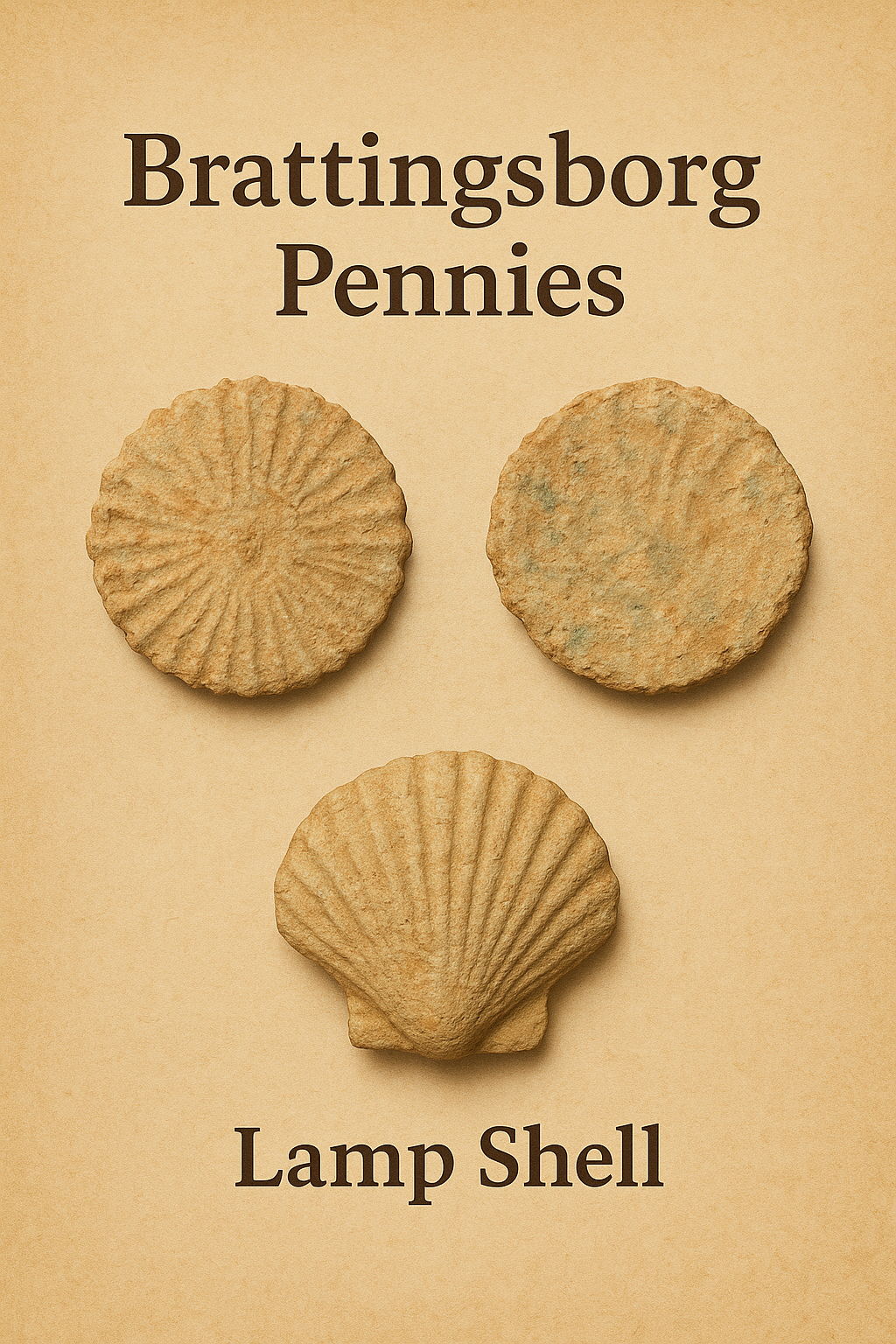
Lamp Shells
Long ago, brachipods were called ‘lamp shells‘ as they resembled early Roman oil lamps
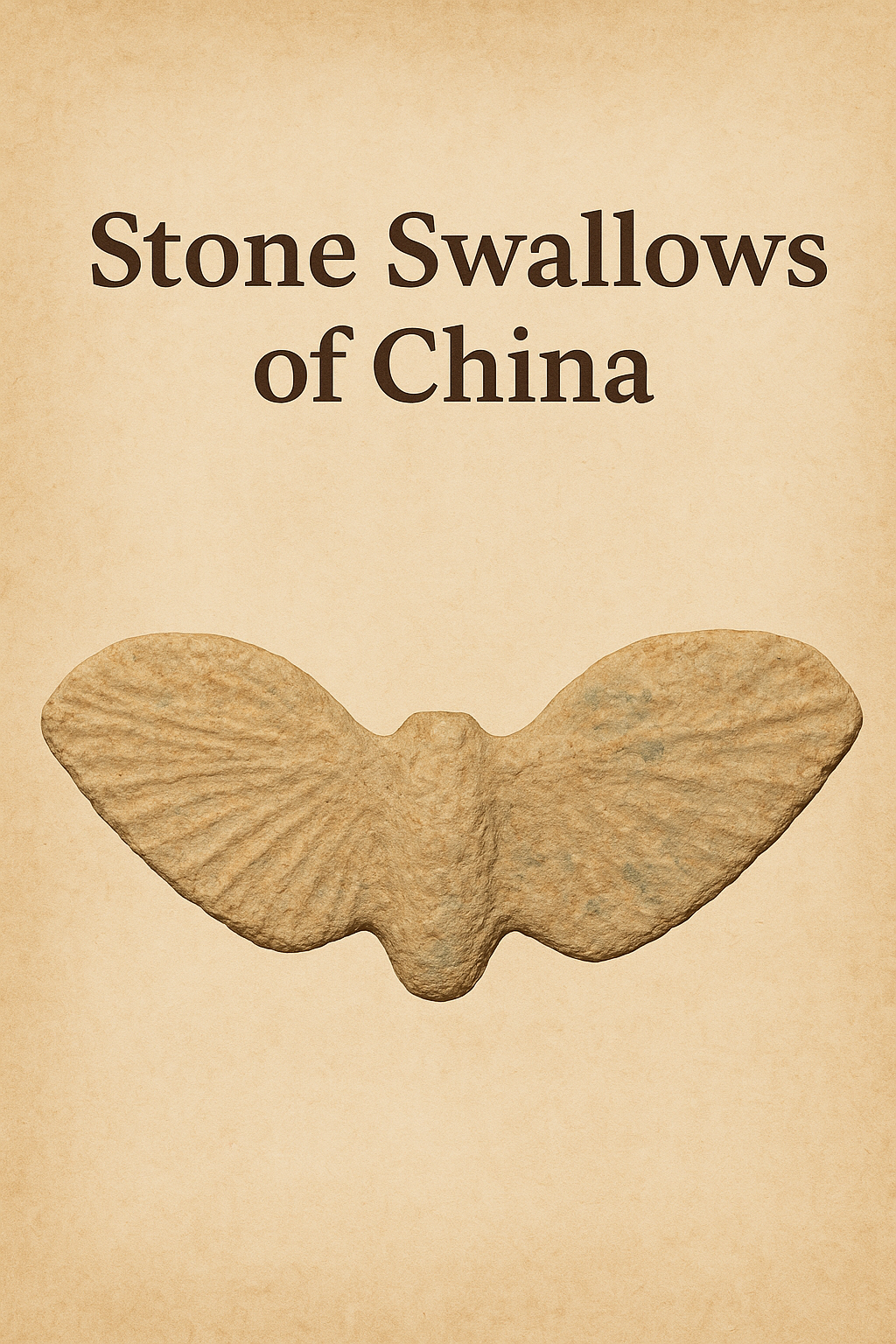
Stone Swallows of China
In ancient China, spiriferid brachiopods were called shih yen, or “stone swallows.” Their delicate, wing-like shells seemed to flutter during thunderstorms. These striking fossils were prized gifts for emperors, admired as much for their beauty as for their mystery.
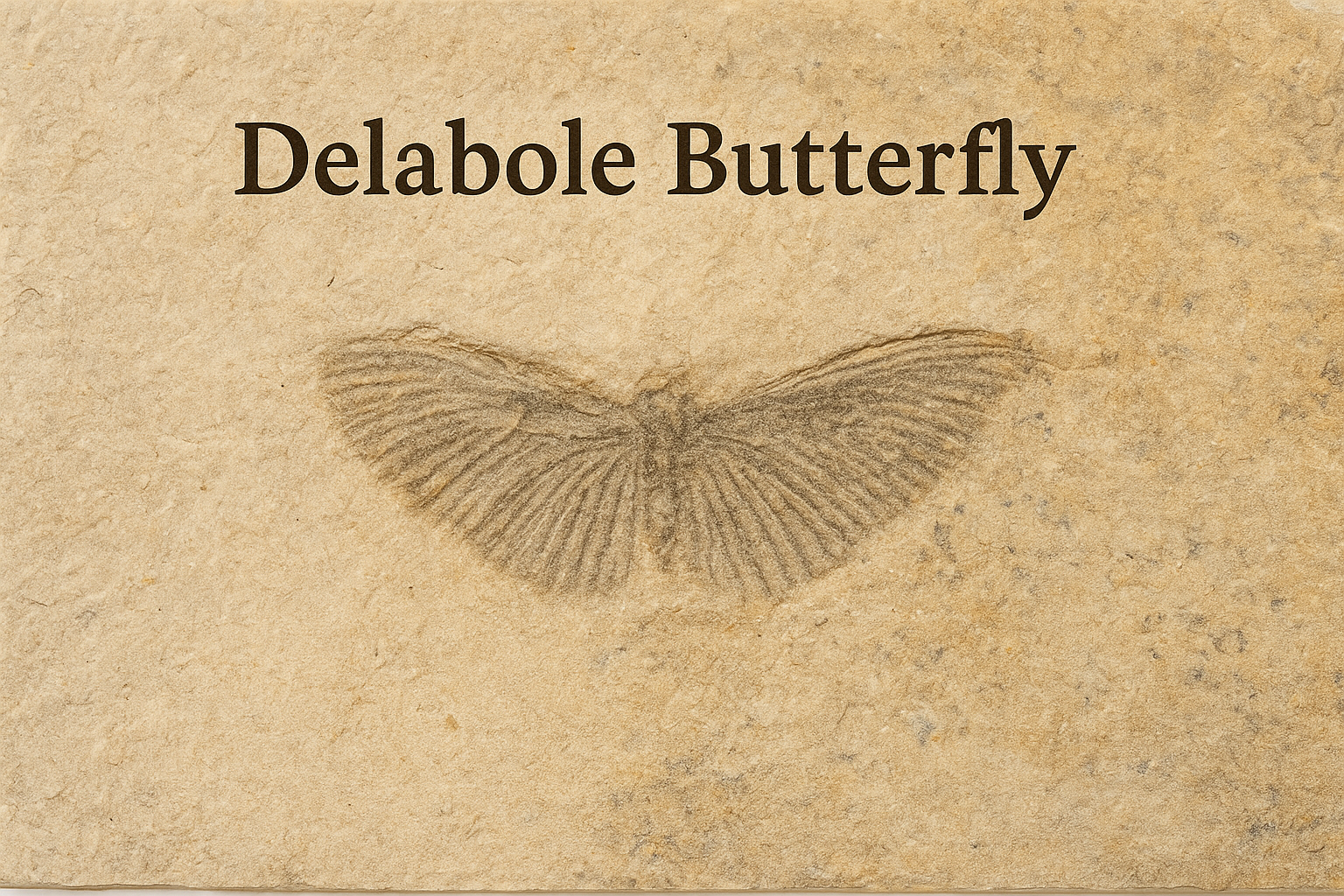
Butterflies in the Rocks
In Devon, England, similar fossils are known as “Delabole butterflies,” because their winged shapes resemble tiny butterflies resting on rocks.
Brattingsborg Pennies of Sweden
On Ivö Island in southern Sweden, small craniid brachiopods—often with face-like markings—are called “Brattingsborg pennies.” Local legends say these fossils are cursed coins:
Taxes of the greedy King Atte Ifvarsson, turned to stone by divine wrath.
Commemorations of ill-fated royal children destroyed by a landslide.
Stolen money, cursed by a leprous archbishop, now stones with laughing death’s heads.
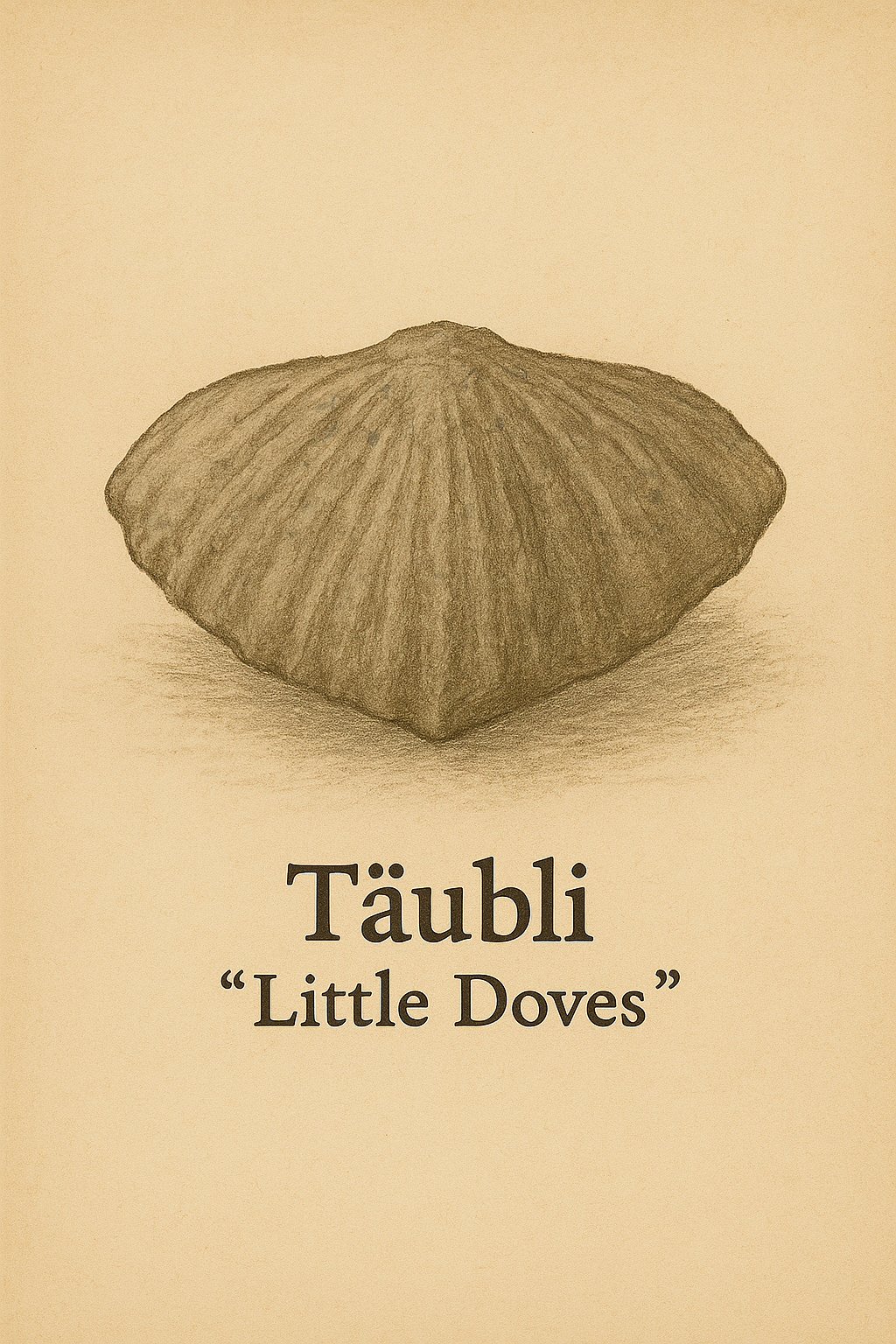
Little Doves of Germany
In the Swabian Alps, rhynchonellid brachiopods are called täubli, or “little doves,” echoing their shape.
No Comments
Add a comment about this page