
Mathias 'Matt' Hynes



Early Years
Mathias (Matthew) ‘Matt’ Hynes was born on 22 January 1883 in Gortmore, Killanin, Co. Galway to James Hynes and his wife Mary Kelly.
Hynes was one of seven children and the 1901 census shows him, aged 18, residing in Gortmore with his mother and siblings Patrick, Flan, Michael and Margaret. His brother John and sister Mary had moved on and his father James had passed away sometime between 1886 and 1901.
Police Career
Before joining the police force in England, website https://www.sports-reference.com/olympics/athletes/hy/matt-hynes-1.html mentions that Hynes served with the Royal Irish Constabulary and was a member of the Ballyshannon district tug-of-war team. To date we have been unable to find any records to substantiate this claim.
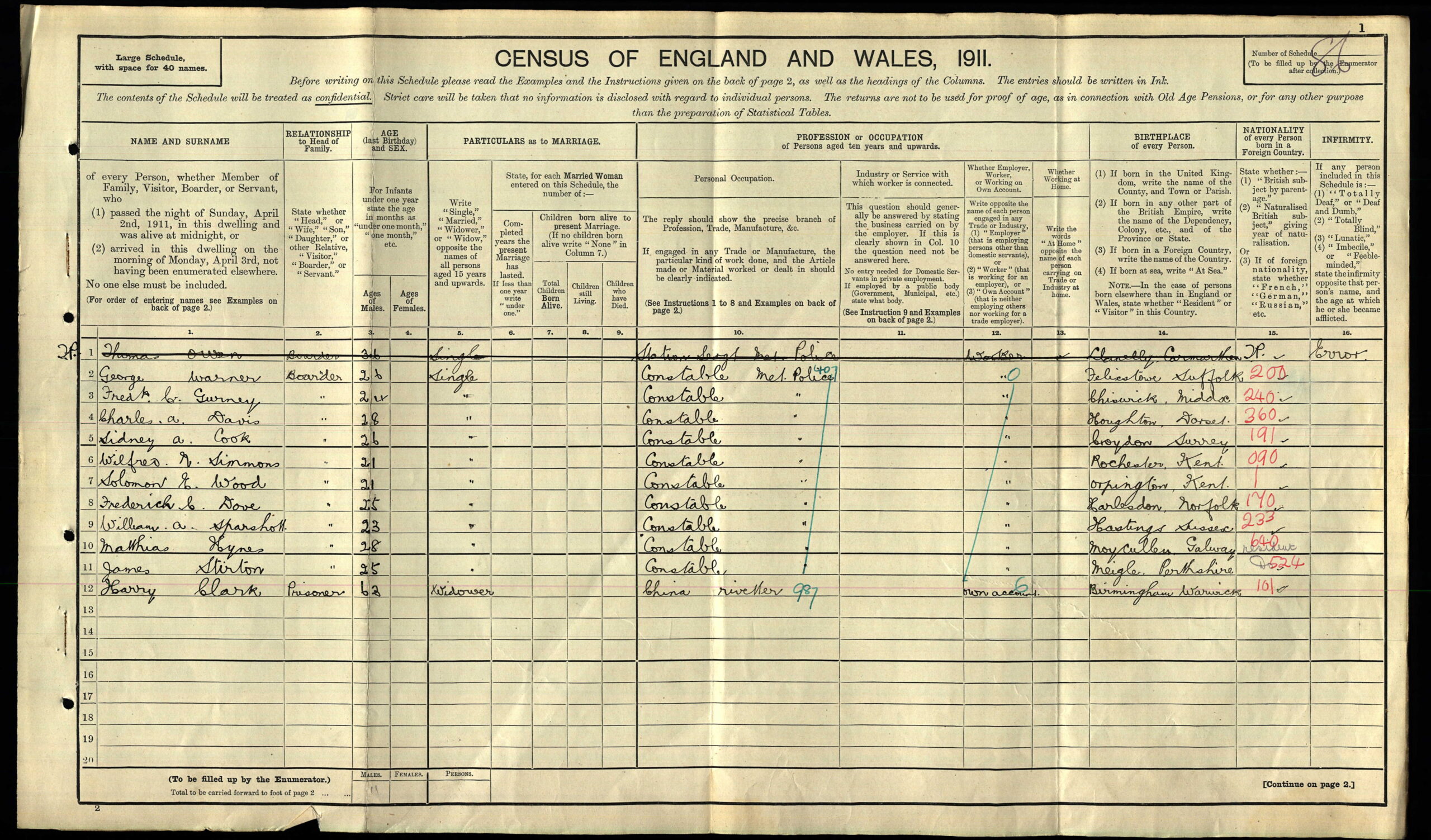
Attestation Ledger shows Hynes enlisted in the Metropolitan Police on 24 January 1910, Warrant Number 97883. By 1911 he was a constable working K Division at Barking Road, Plaistow, West Ham, Police Barracks – a report in the Stratford Express Newspaper tells of a man getting 21 days hard labour for throwing a condensed milk can and hitting Hynes on the ear.
Many newspapers between 1910 and 1925 show that Hynes was a regular participant in amateur sporting events mainly in Putting the 16lb Weight (similar to today’s Shot Putt) and also 56lb Weight Flinging. Hynes was seldom beaten, and in the two consecutive years prior to his death, he held the Essex Putting the Weight Championship title.
Tug-of-War and the 1912 Olympics
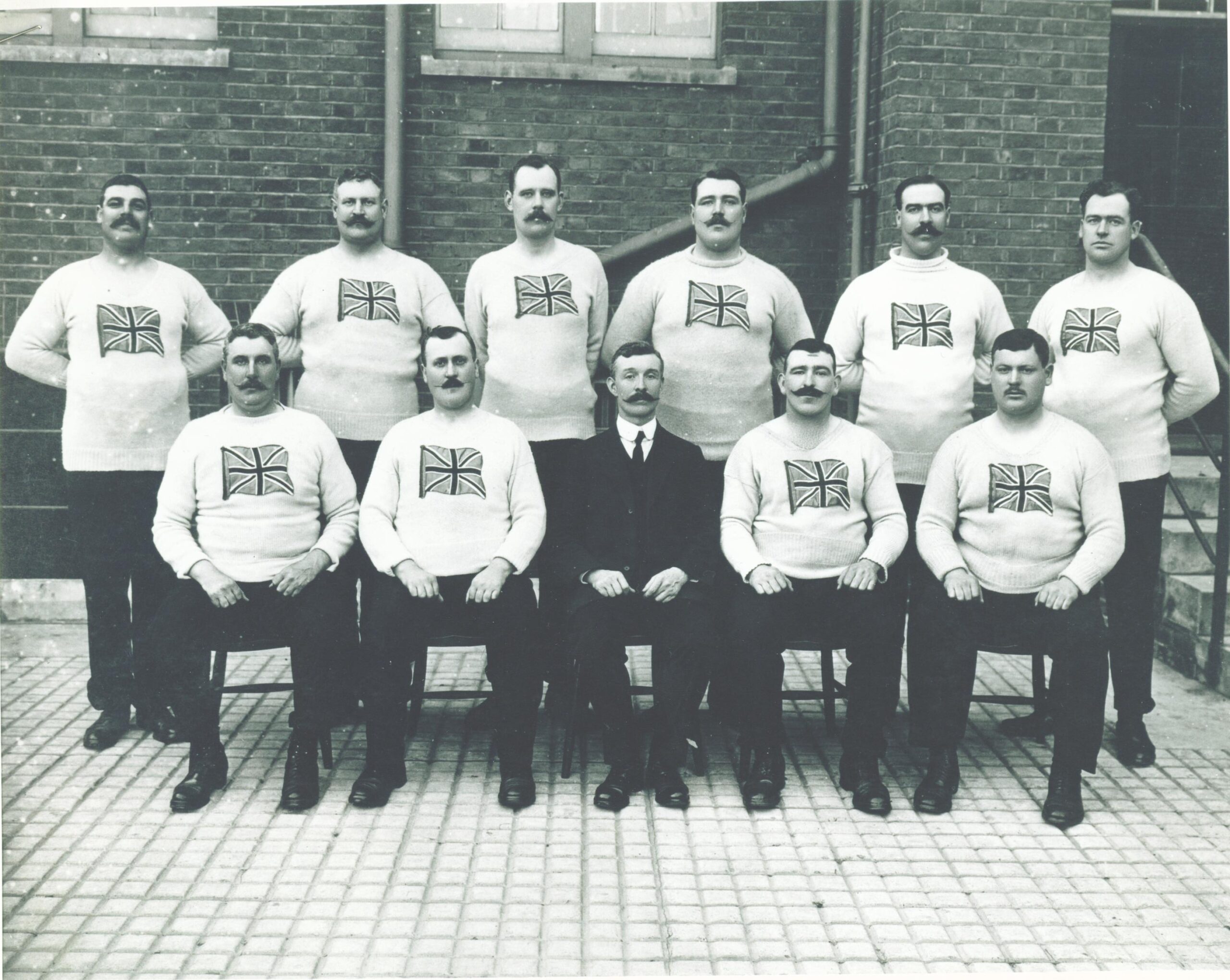
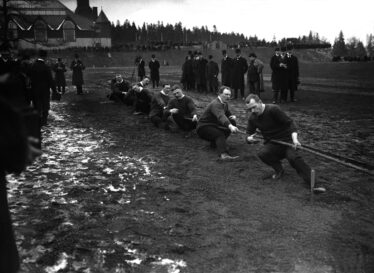
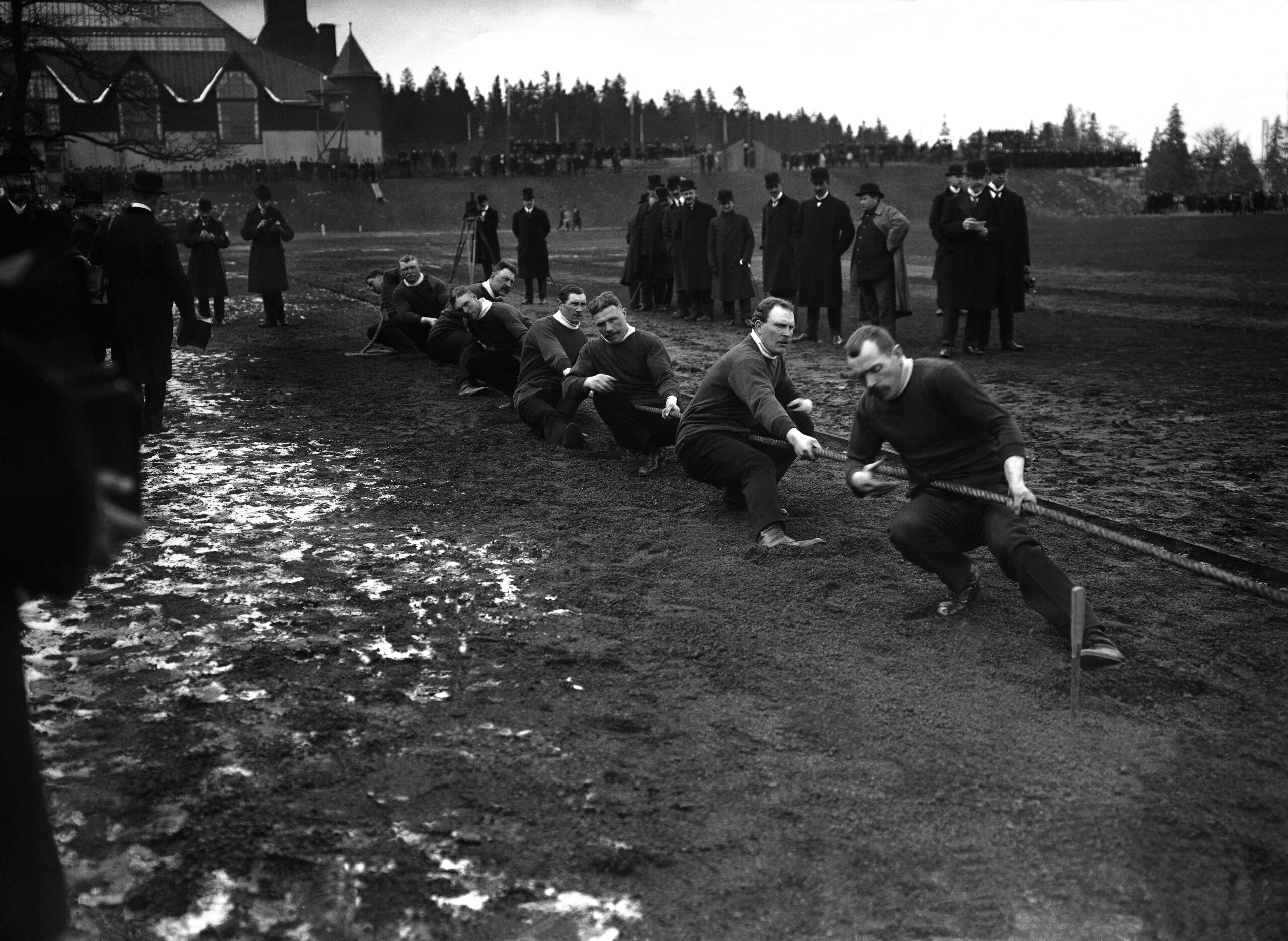
Around 1910, Hynes replaced Edward Barrett on a team consisting of both City of London Police and K Division Metropolitan Police. Together with teammates Munro, Sewell, Shepherd, Dowler, Mills, Humphreys, Stiff, Tammas and Chaffe, this team went on to represent Great Britain at the 1912 Olympics in Stockholm, Sweden. Seven of these ten men had already won olympic tug-of-war medals from the 1908 London olympics.
Tug-of-War was a sport which was part of every Olympics from 1900 to 1920, but since discontinued like several others such as croquet, cricket and jeu de paume (now known as real tennis).
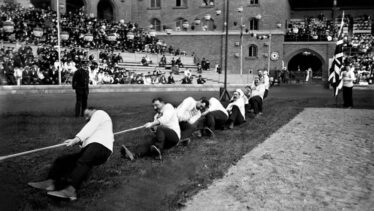
Hynes’ team arrived in Stockholm on the eve of the competition only to discover that they would be required to compete on a sand pitch, something they had not previously experienced. The planned Tug-of-War 10-match round-robin tournament was to include teams from Sweden, Great Britain, Austria, Bohemia and Luxembourg.
Great Britain’s first match was to be against Bohemia on Sunday 7 July 1912 but apparently the opponents shrunk from entering the arena against the London giants, giving Hynes’ team a walk over in the first match. With several of the teams failing to appear, the competition in the end consisted of a single match bout on 8 July 1912 between the Stockholm Police representing Sweden and the defending champions London Police representing Great Britain.
The bout consisted of a best-two-of-three contest. In the first pull, the Swedish team steadily pulled the British squad across the center mark. After a five-minute break, the second pull was started. In this one, neither team gained the victory through pulling the other across the line, but after a prolonged stalemate a couple of the London men succumbed to exhaustion and sat on the ground, disqualifying them and giving the Swedes the victory.
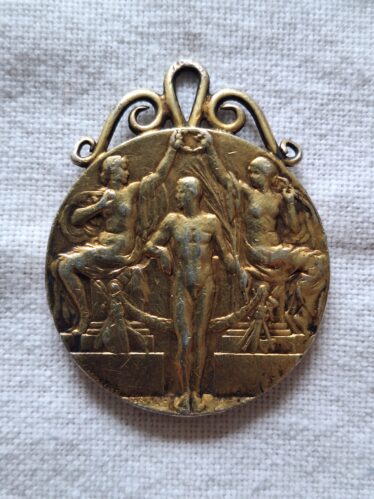
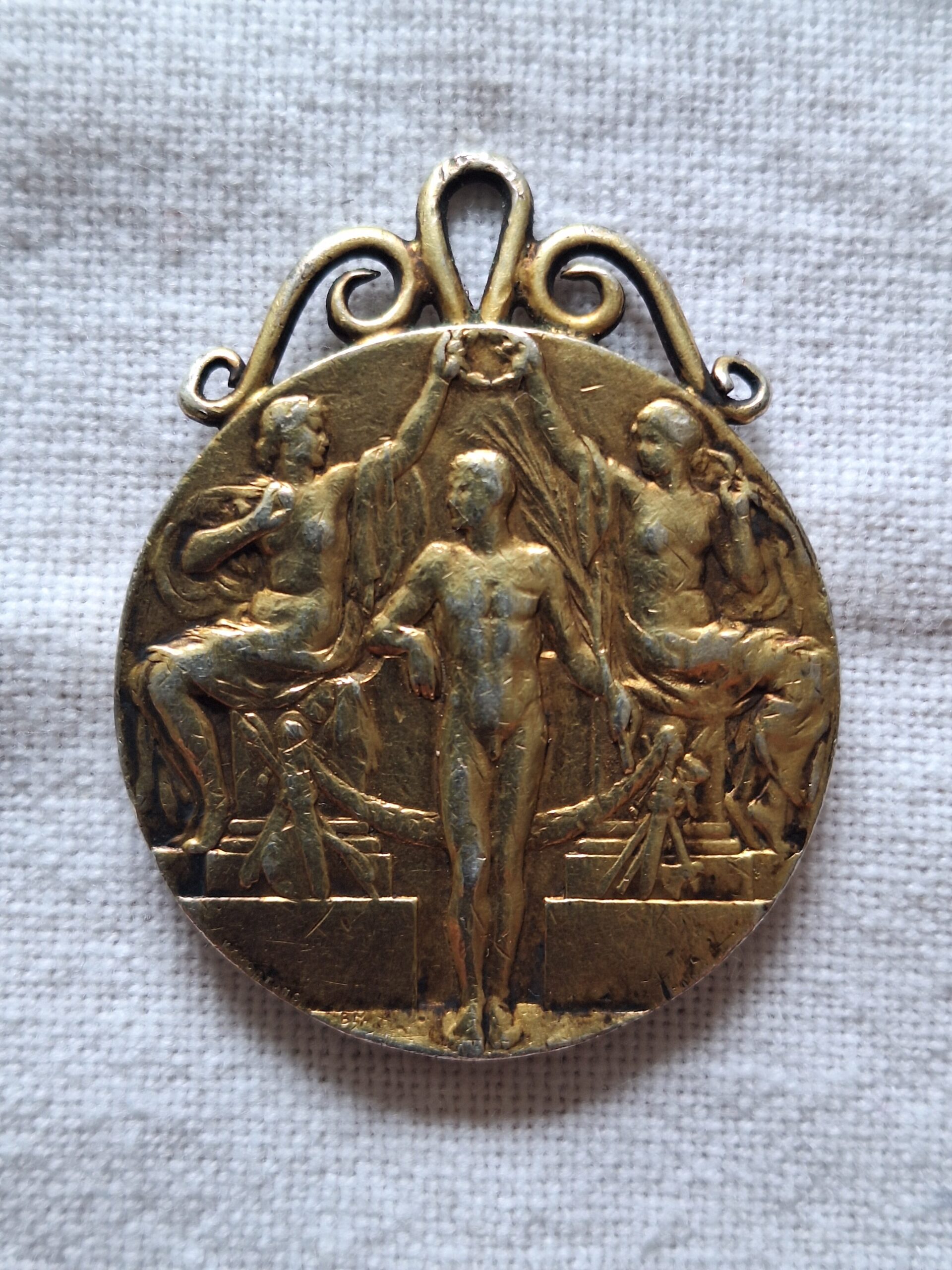
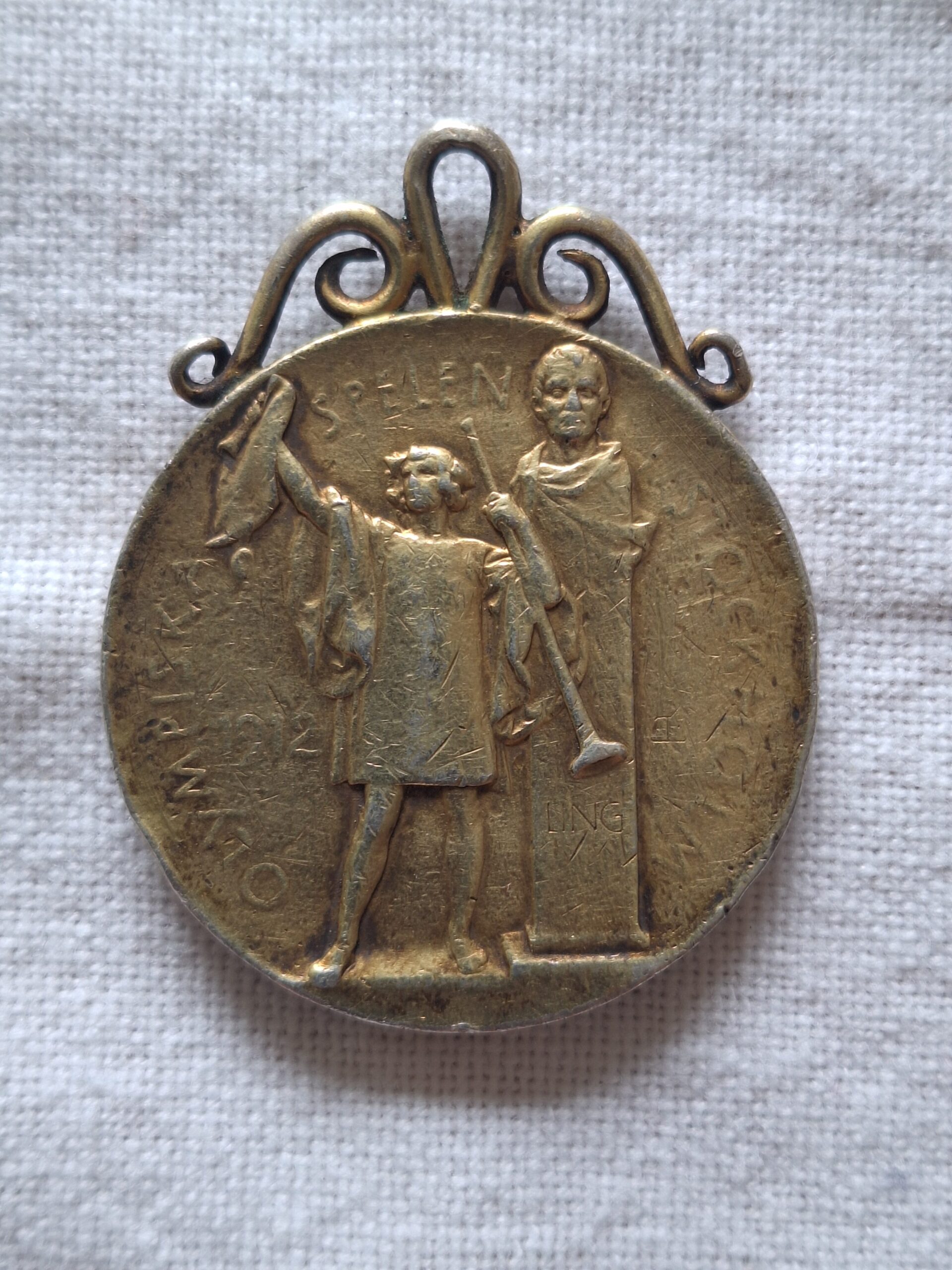
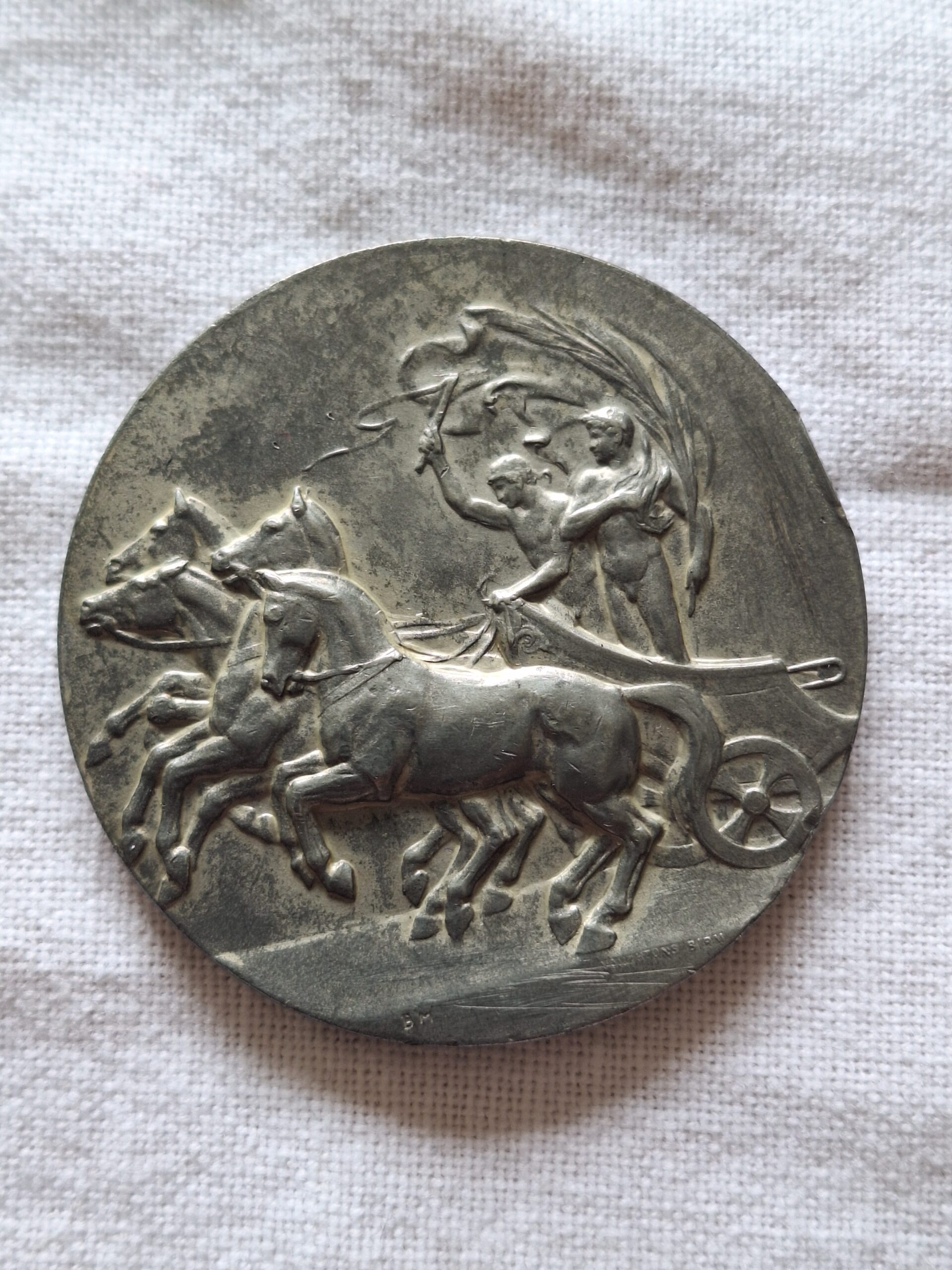
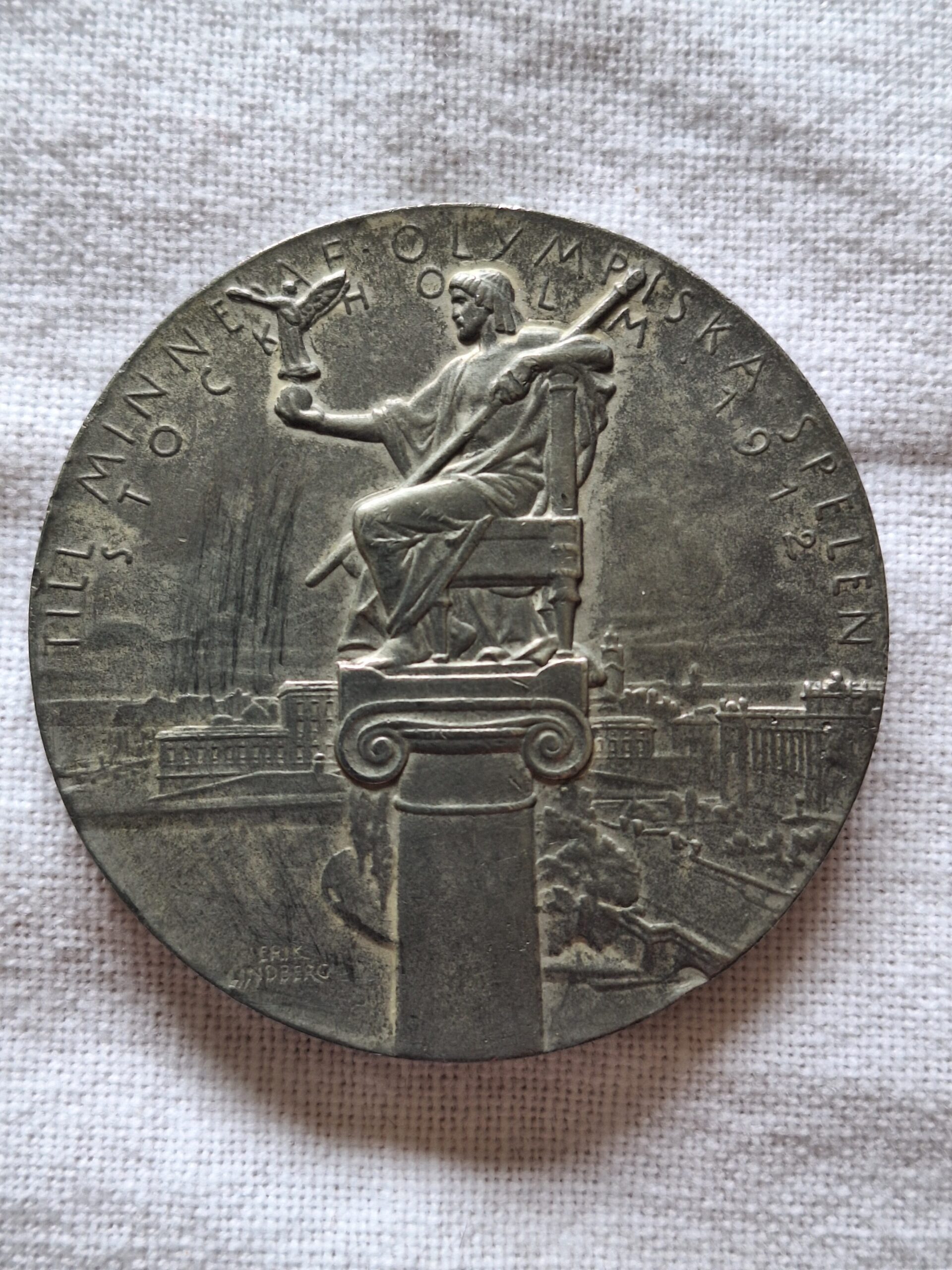
Hynes and his teammates as a result took home a silver medal – Hynes’ was the fifth and last Tug-of-War medal won by Irish born competitors in the 1908 and 1912 games.
The following year, while still serving with K (Stepney) Division of the Metropolitan Police, Hynes helped London win the British Police Tug-of-War Championship.
Early Death
On 9 March 1926, a heart complaint, endocarditis, resulted in Hynes death at the young age of 43, at St Thomas’ Hospital, Westminster Bridge Road, Surrey. His home address at time of death was 46 Lansdown Road, Canning Town – this was a section house or collective accommodation for police officers, mainly those unmarried like Hynes. His death record shows that a Fr. Walter Philip Stone, of Cathedral House, close to the hospital, was to have Hynes’ remains buried. Enquiries to date with the archives at Cathedral House show an absence of burial registers for the time, so the search for Hynes’ final resting place remain ongoing.
Sources:-
Civil Birth Records (www.irishgenealogy.ie)
1901 Census for Ireland (http://www.census.nationalarchives.ie/pages/1901/Galway/Wormhole/Gortmore/1395073/)
1911 Census for Great Britain (www.findmypast.ie)
https://www.olympedia.org/athletes/18035
‘The Little Book of Irish Athletics’ by Tom Hunt
Wikipedia
Index of Wills and Administration, National Probate Calendar 1858-1995
Hynes Family, Gortmore
No Comments
Add a comment about this page