
World Wetlands Day - 2 February 2026








Wetlands and Traditional Knowledge: Celebrating Cultural Heritage
Every year on 2 February, communities around the world mark World Wetlands Day, celebrating some of the most valuable—and often overlooked—landscapes on earth. Wetlands protect biodiversity, improve water quality, reduce flooding, and store carbon, helping to regulate our climate. Yet wetlands are not only rich in nature: they are also rich in history, tradition, and cultural memory.
This year’s theme, “Wetlands and traditional knowledge: Celebrating cultural heritage,” invites us to recognise how wetlands have shaped the way people live, work, and pass down skills and stories through generations. Here in Moycullen and the wider Lough Corrib area, that connection is deep, living, and worth celebrating.
Wetlands as Places of Life and Livelihood
Wetlands are places where land and water meet—lough shores, marshes, wet meadows, reedbeds, turloughs, bogs, springs, and river edges. The Moycullen area, with its close relationship to Lough Corrib, streams, low-lying wet ground, and surrounding boglands, has long depended on these environments for both survival and identity.
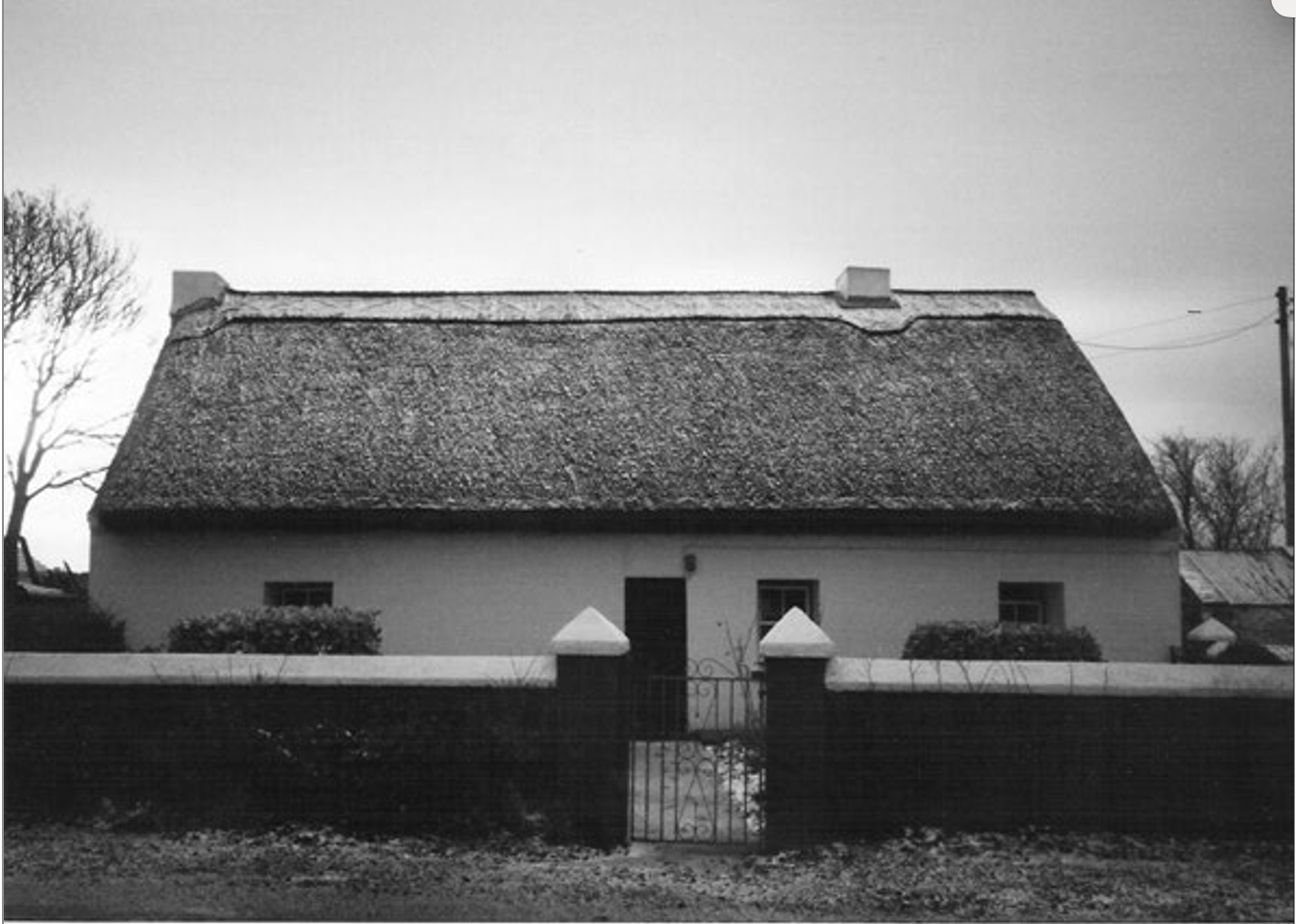
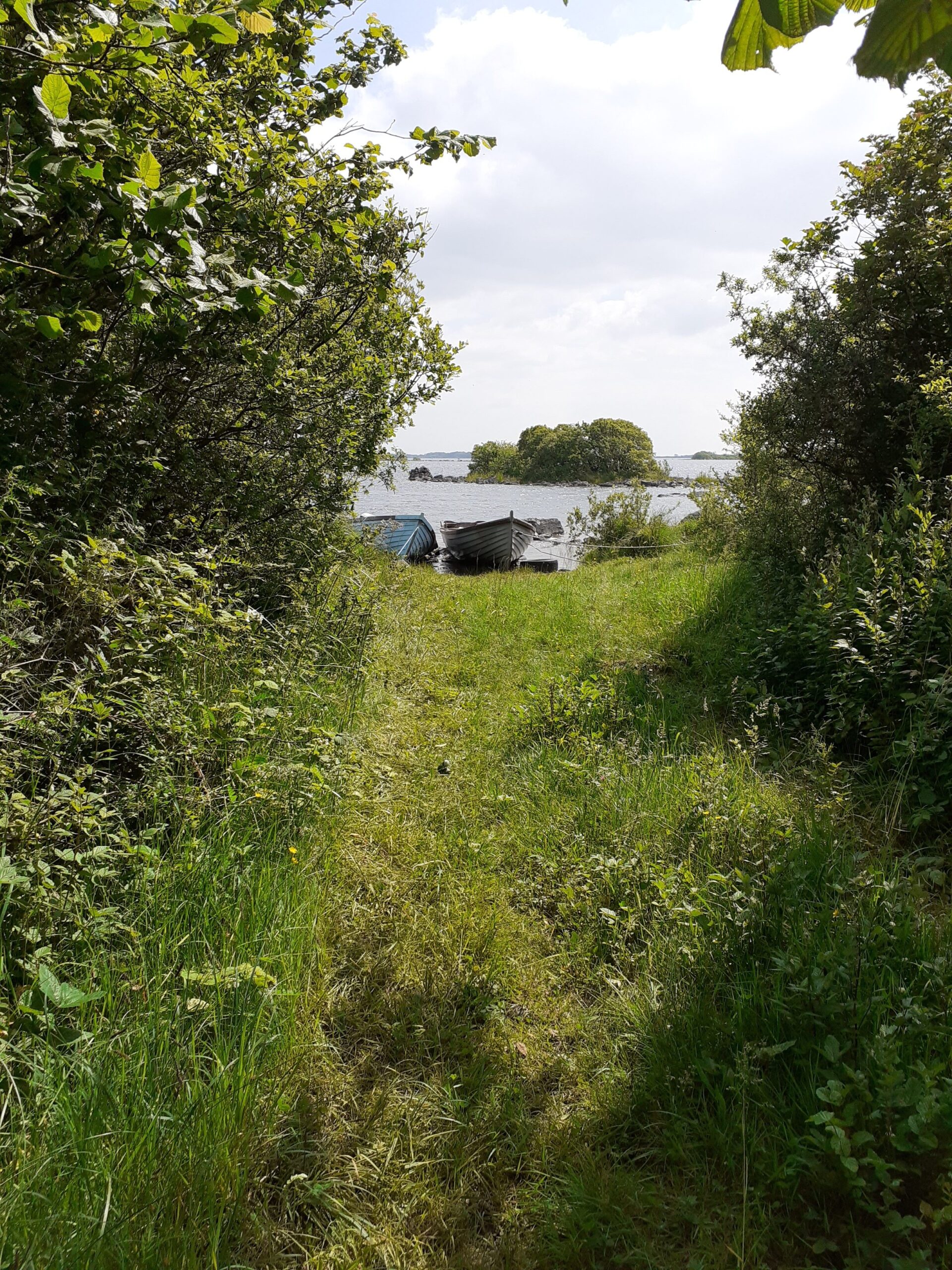
Nell Hurney remembered her childhood at Annagh
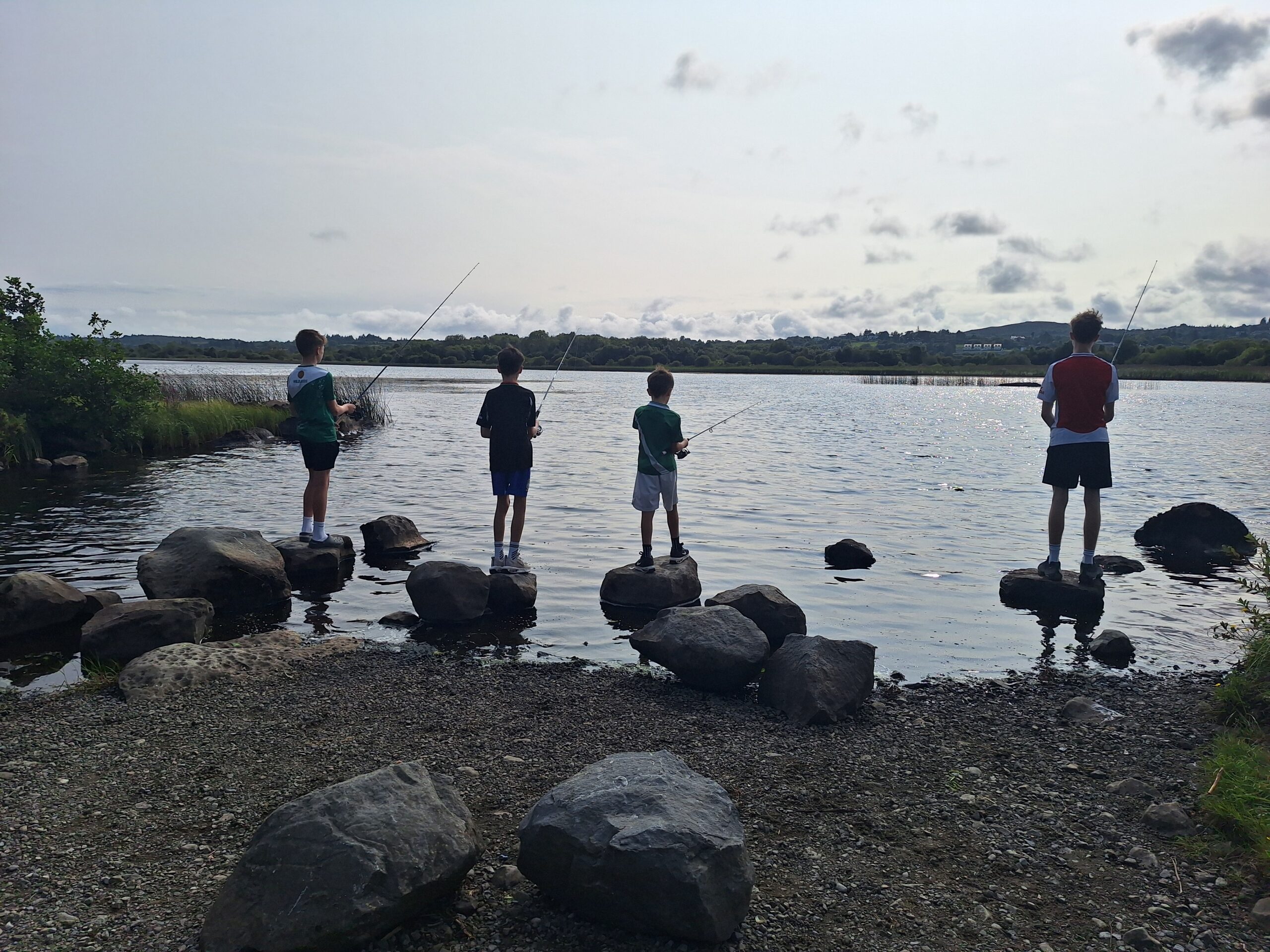
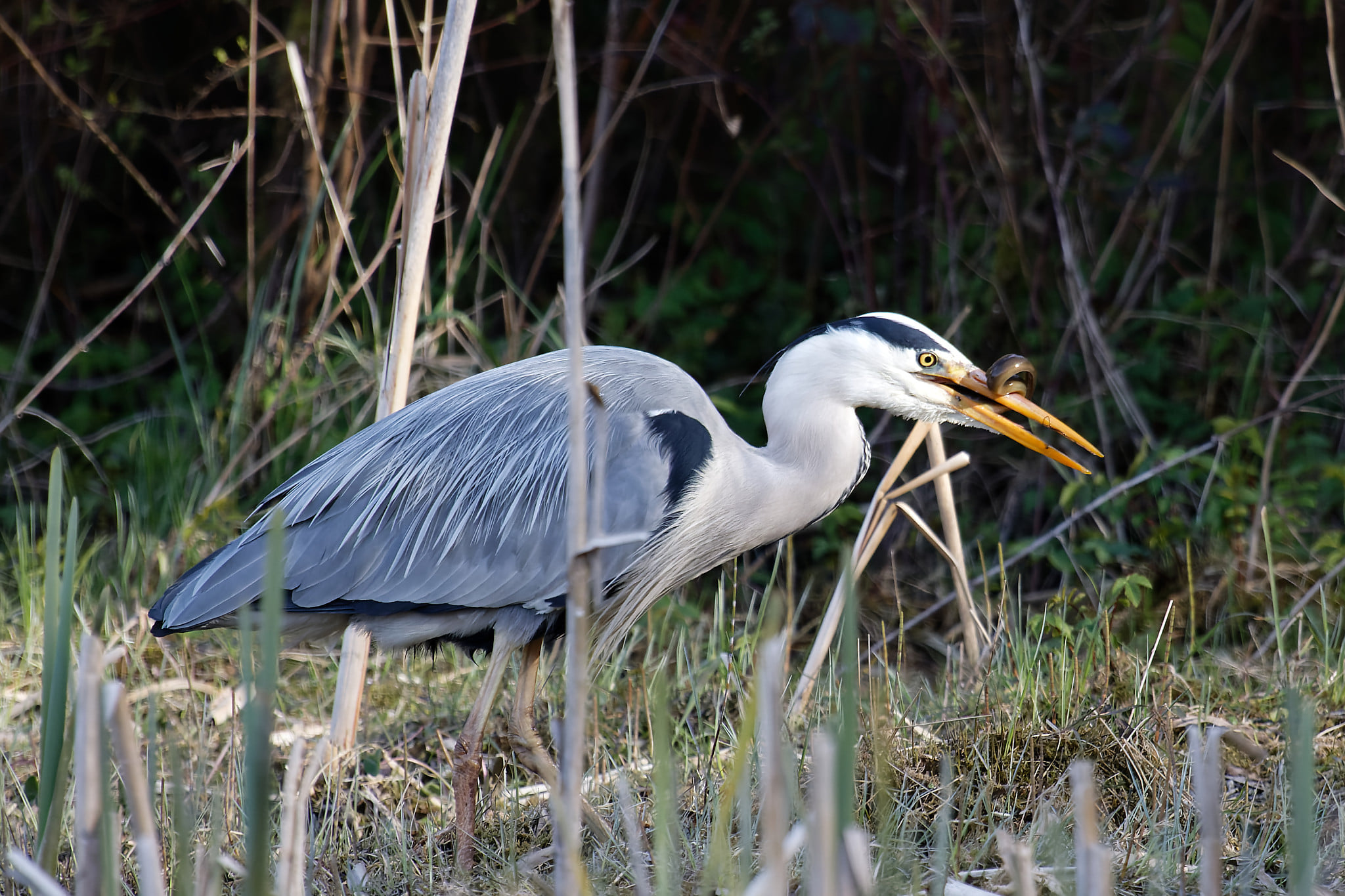
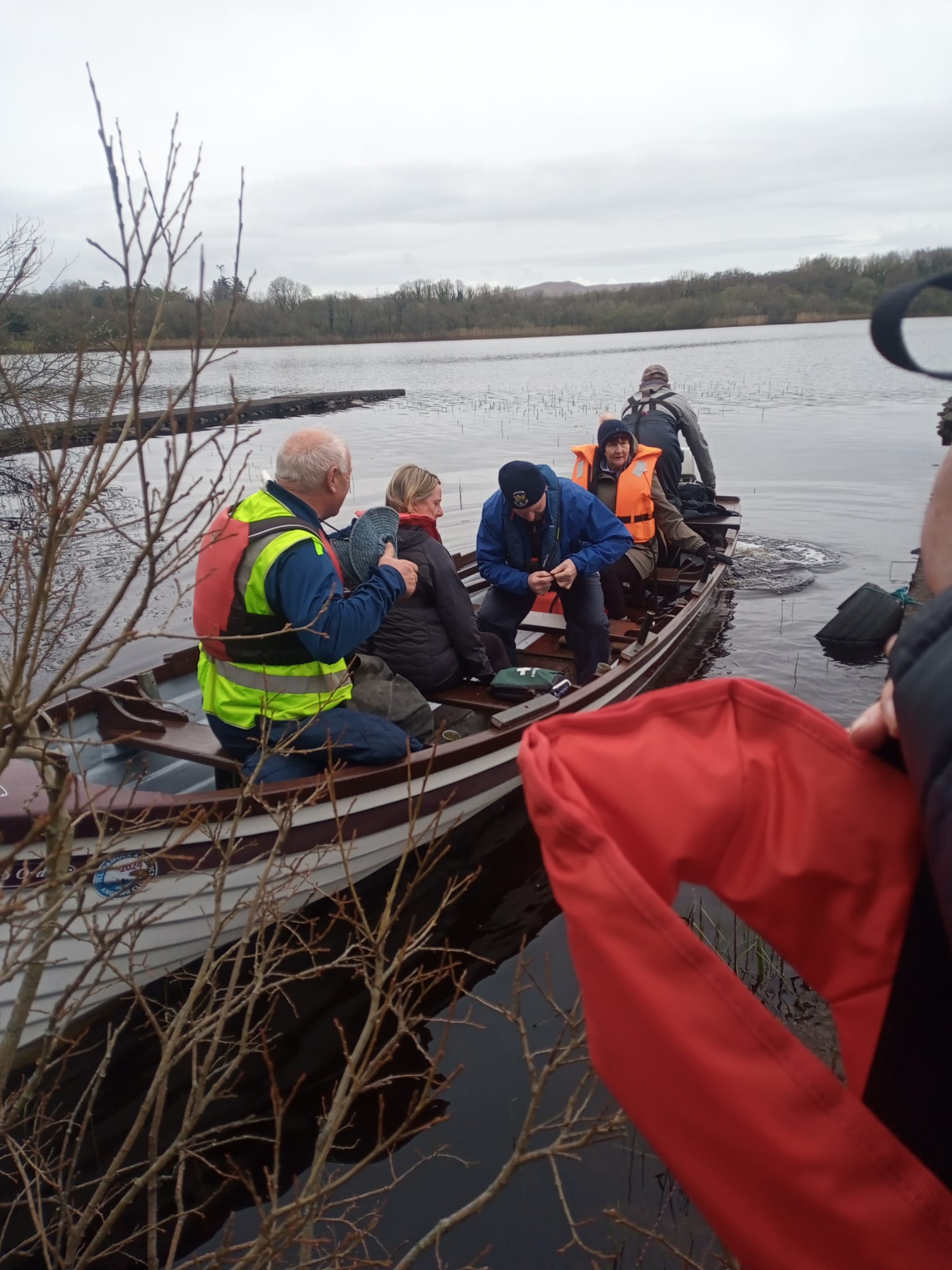
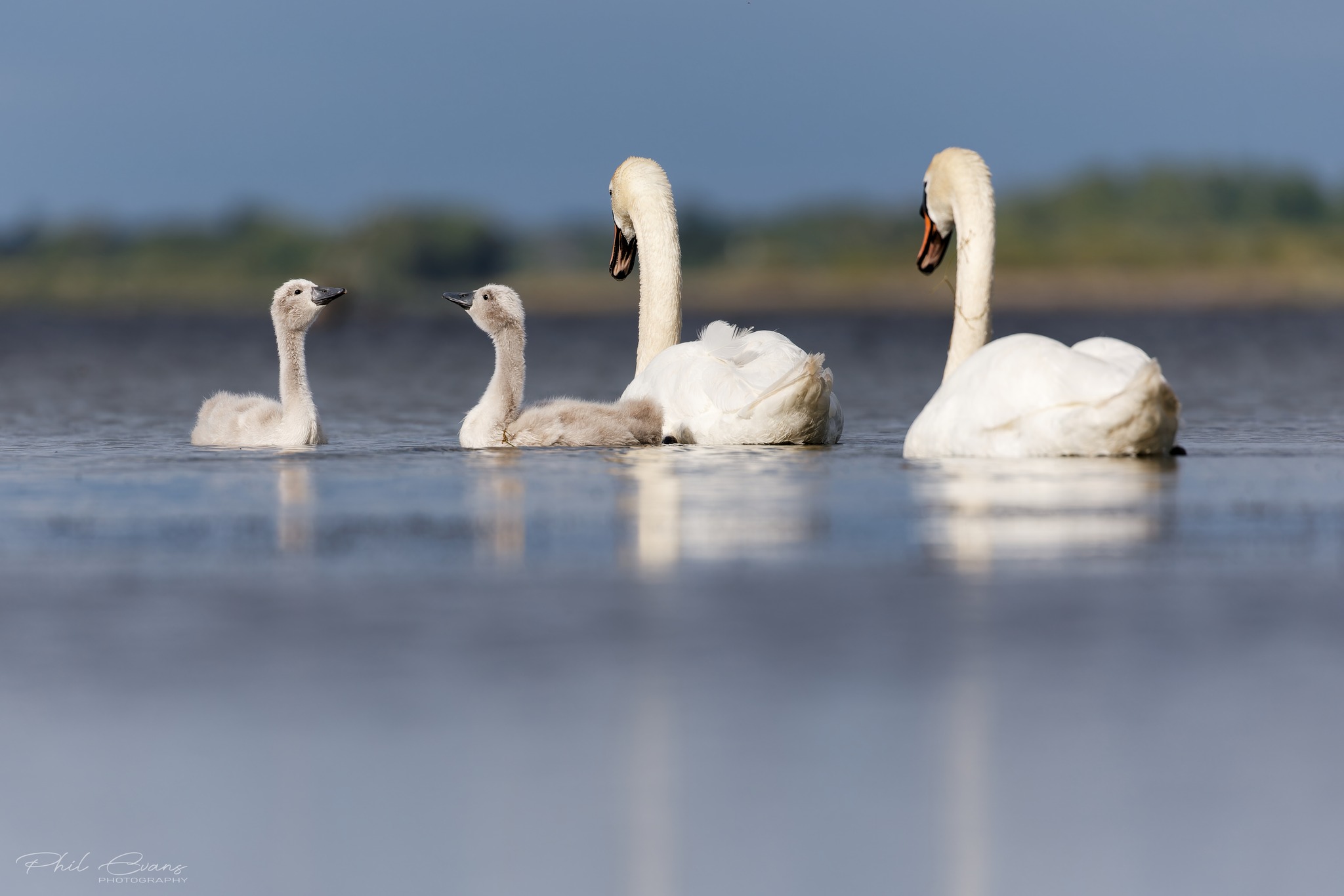
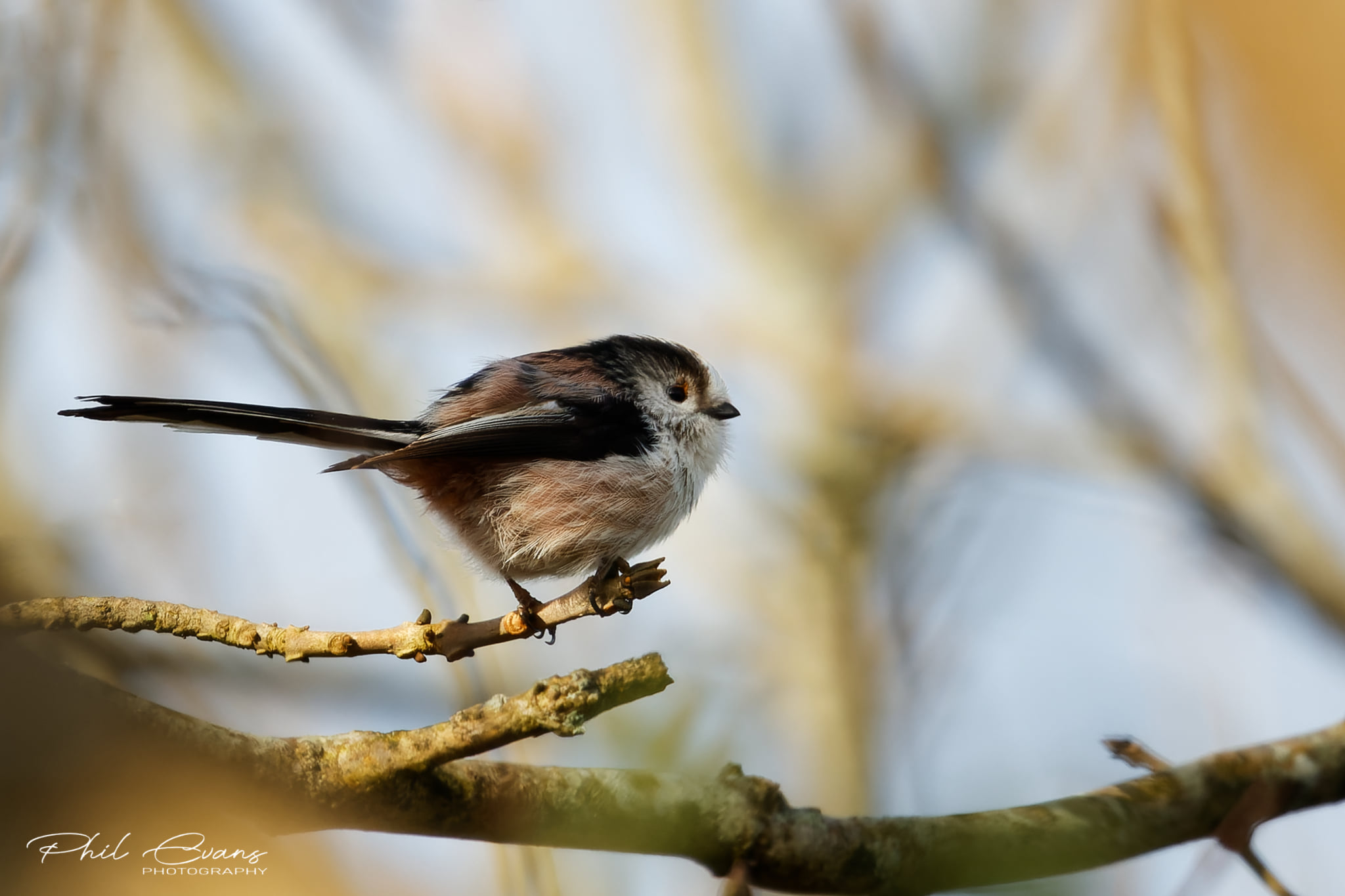
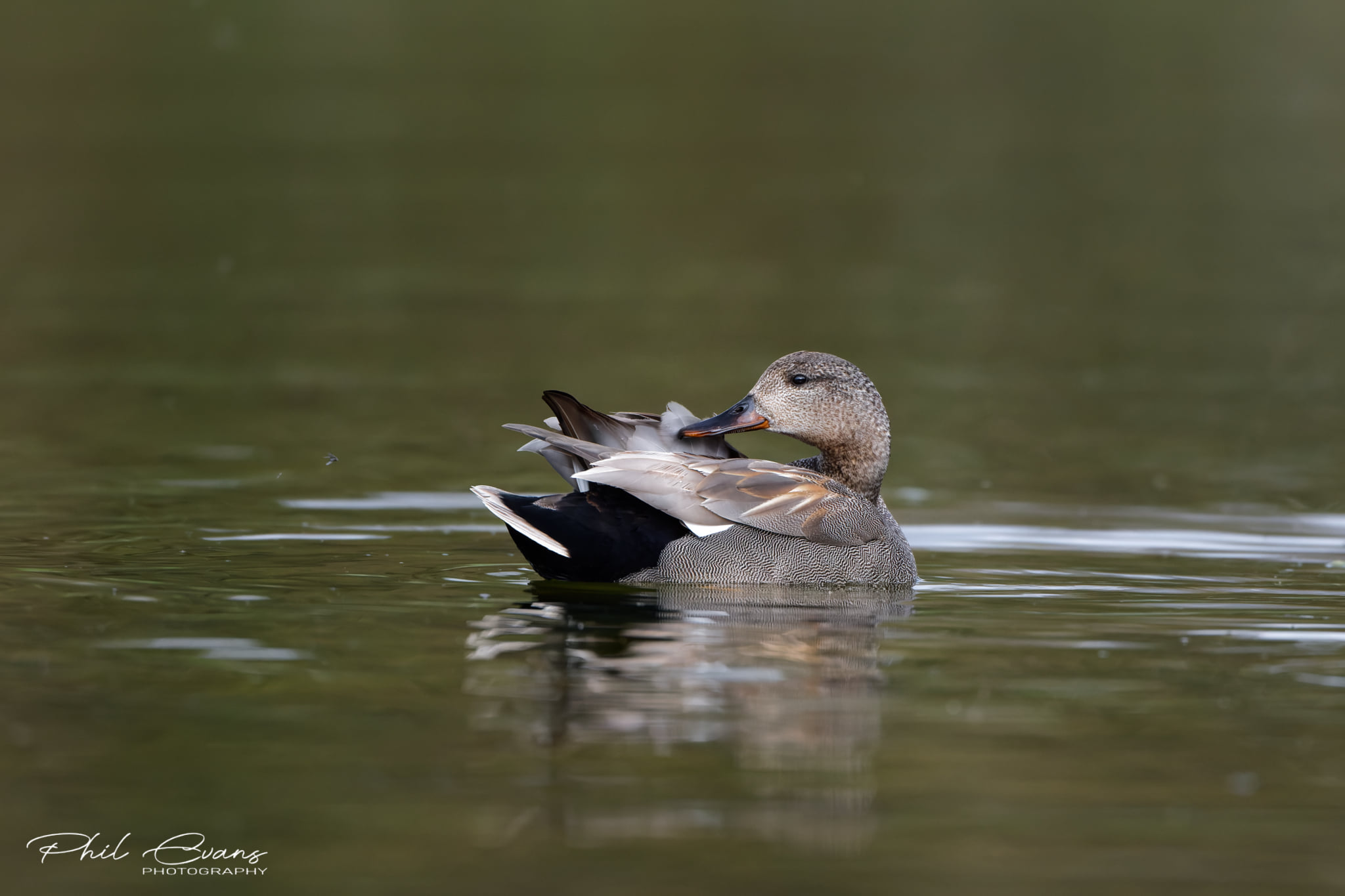
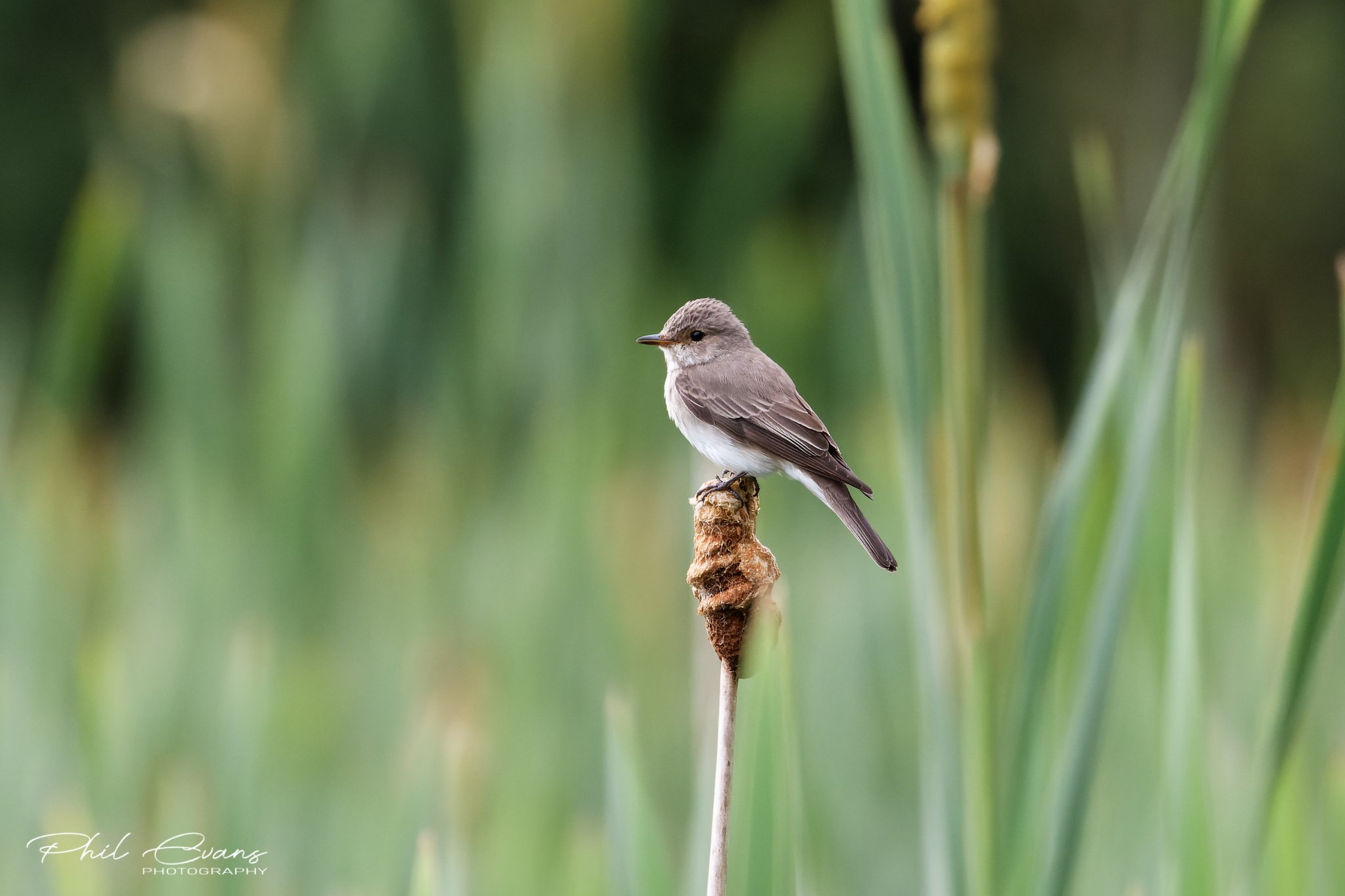
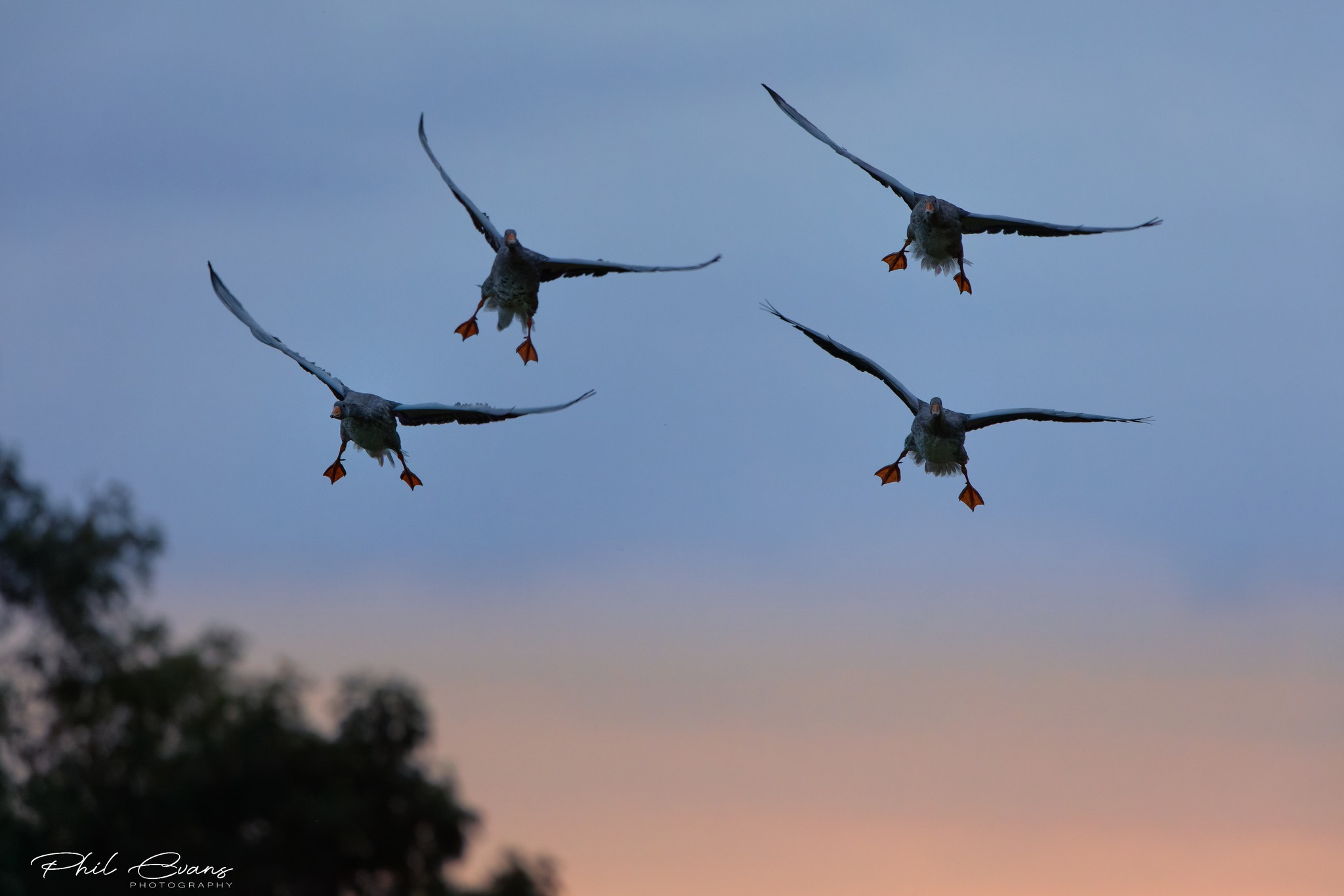
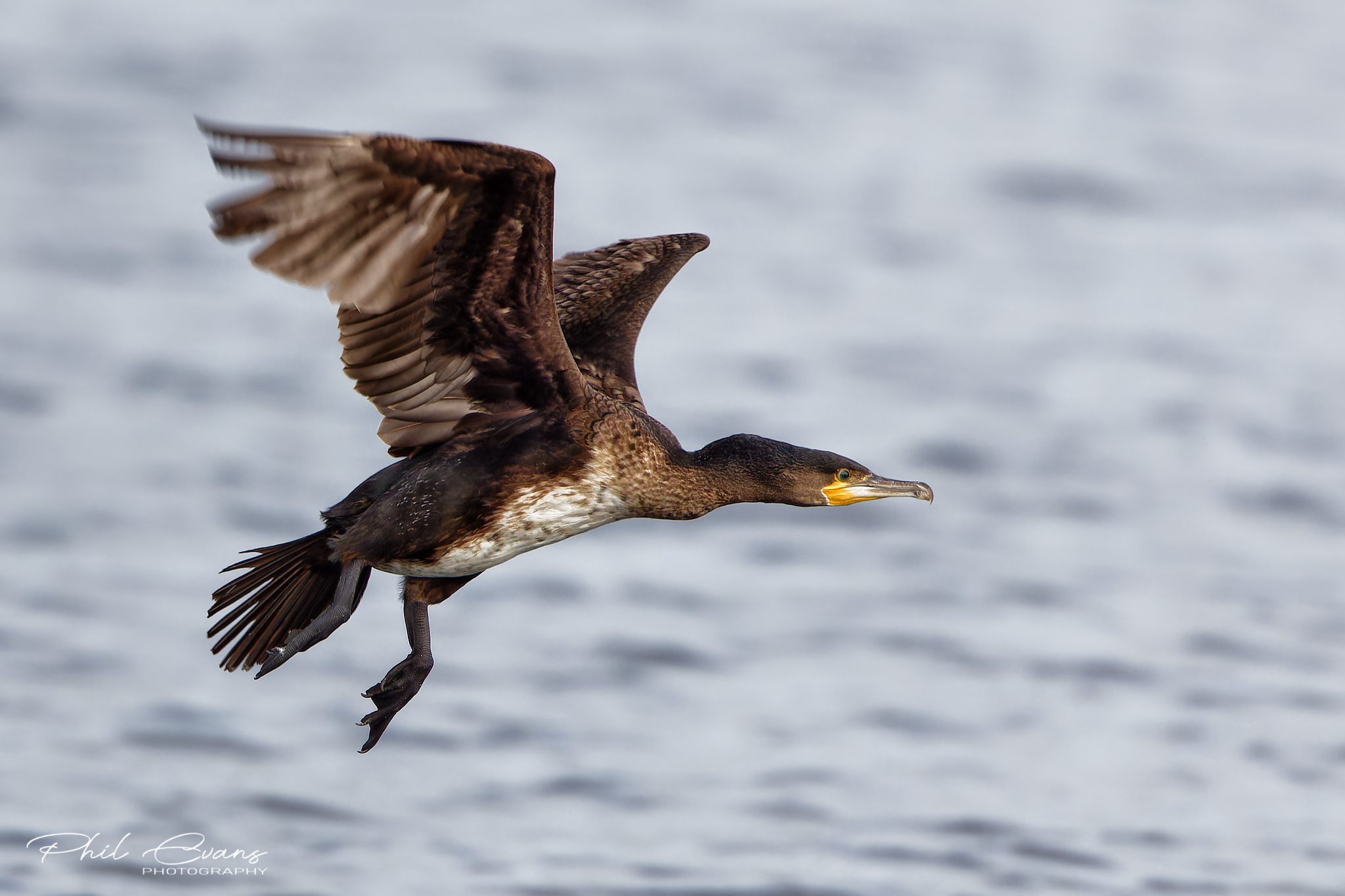
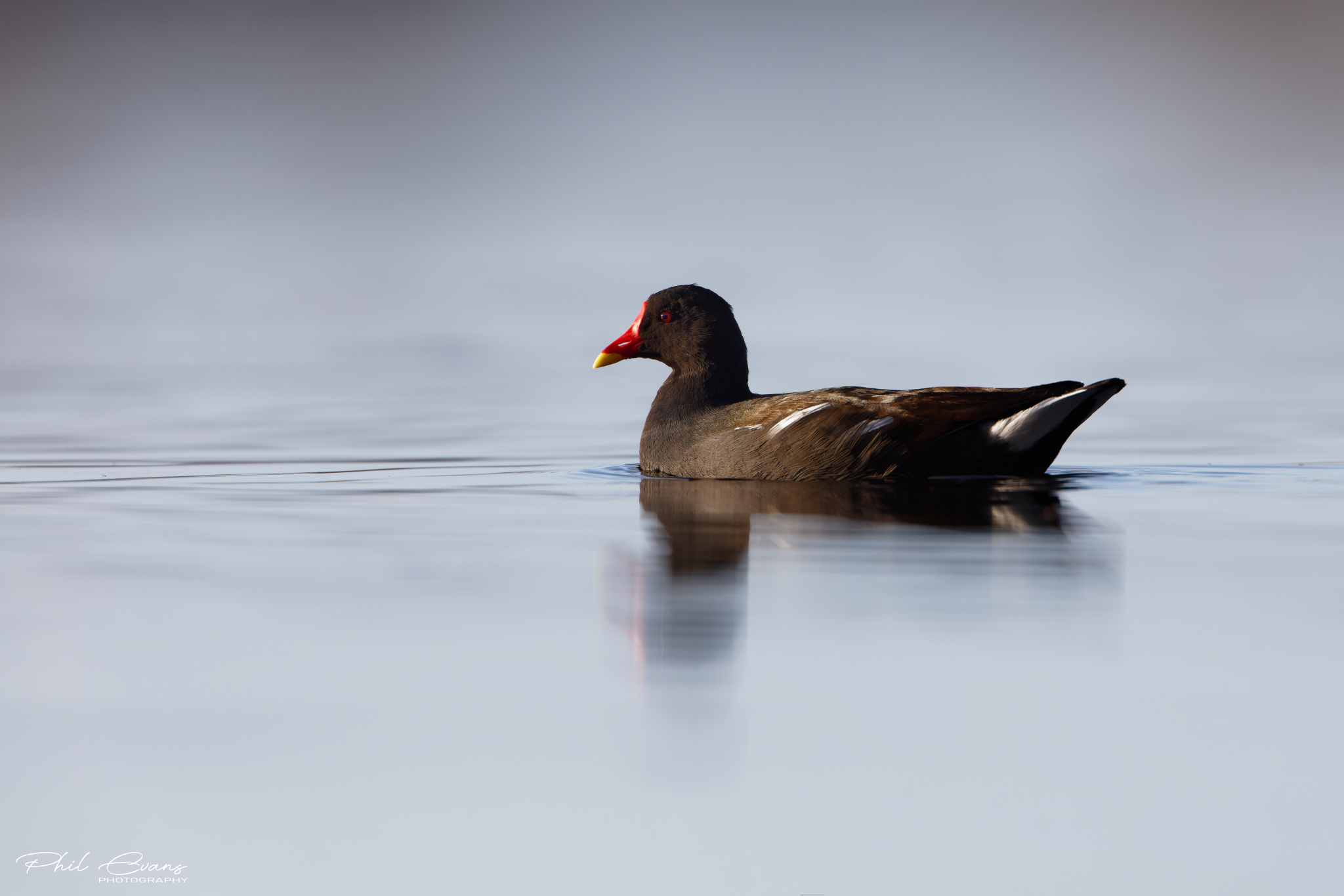
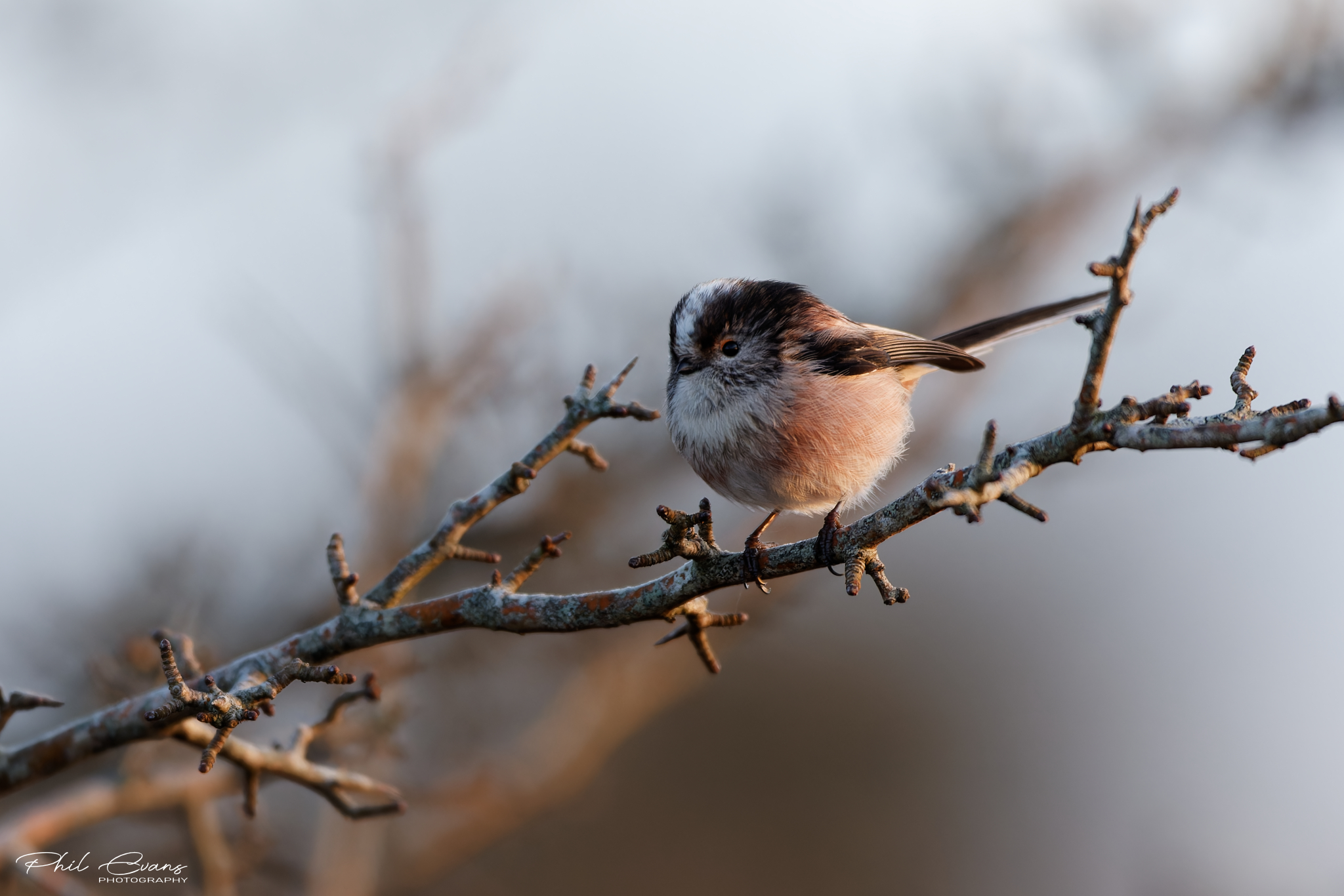
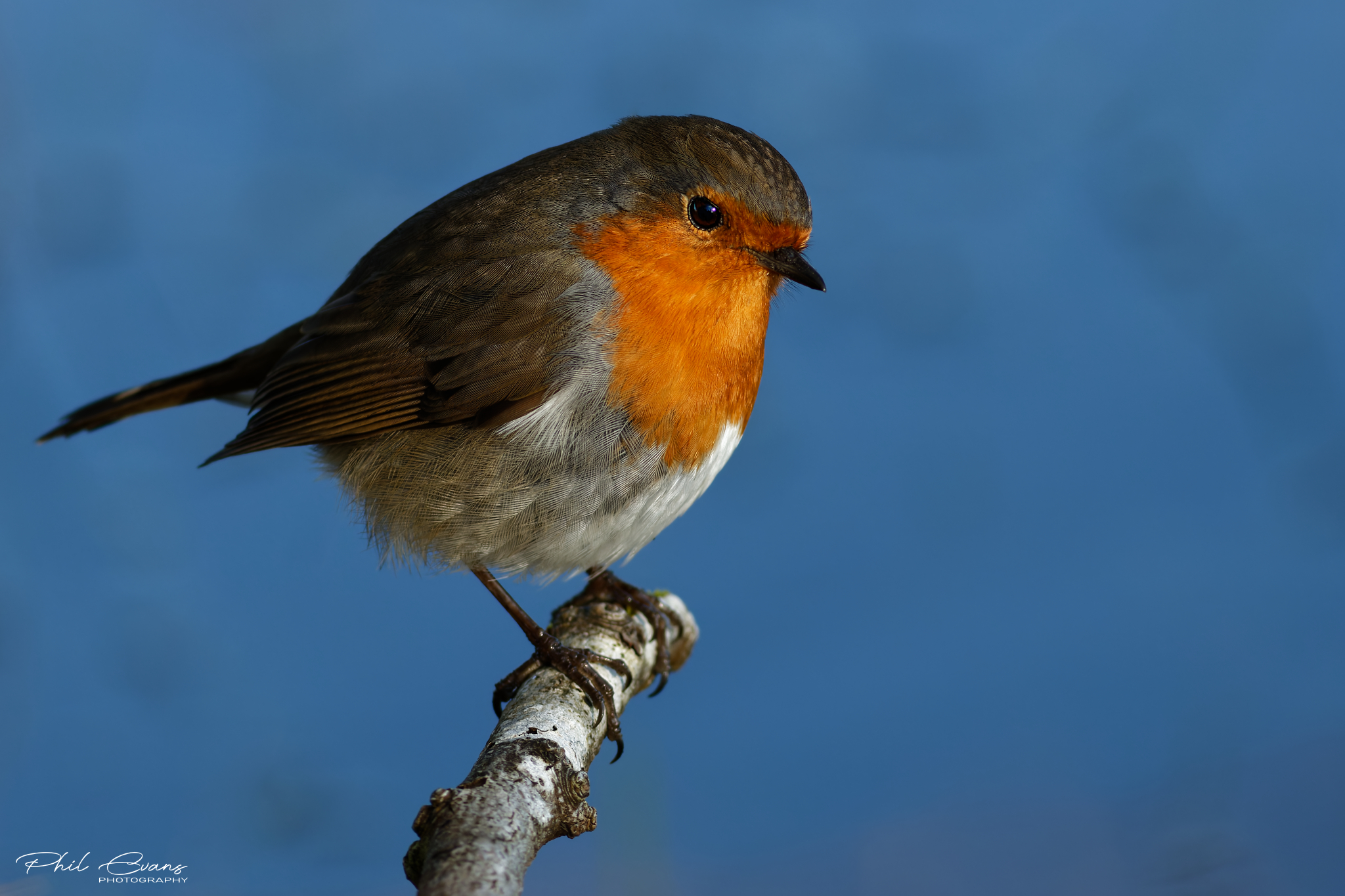
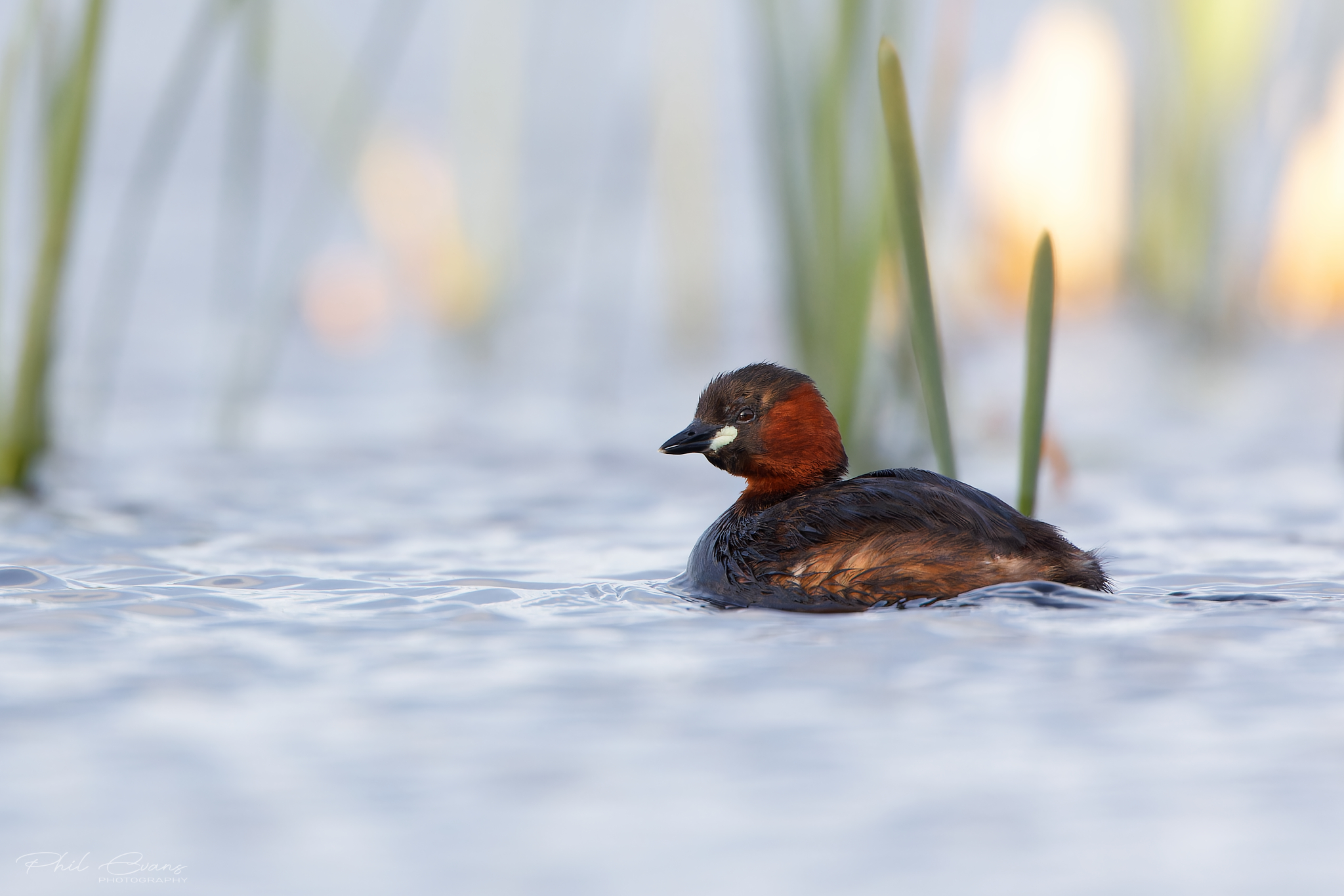
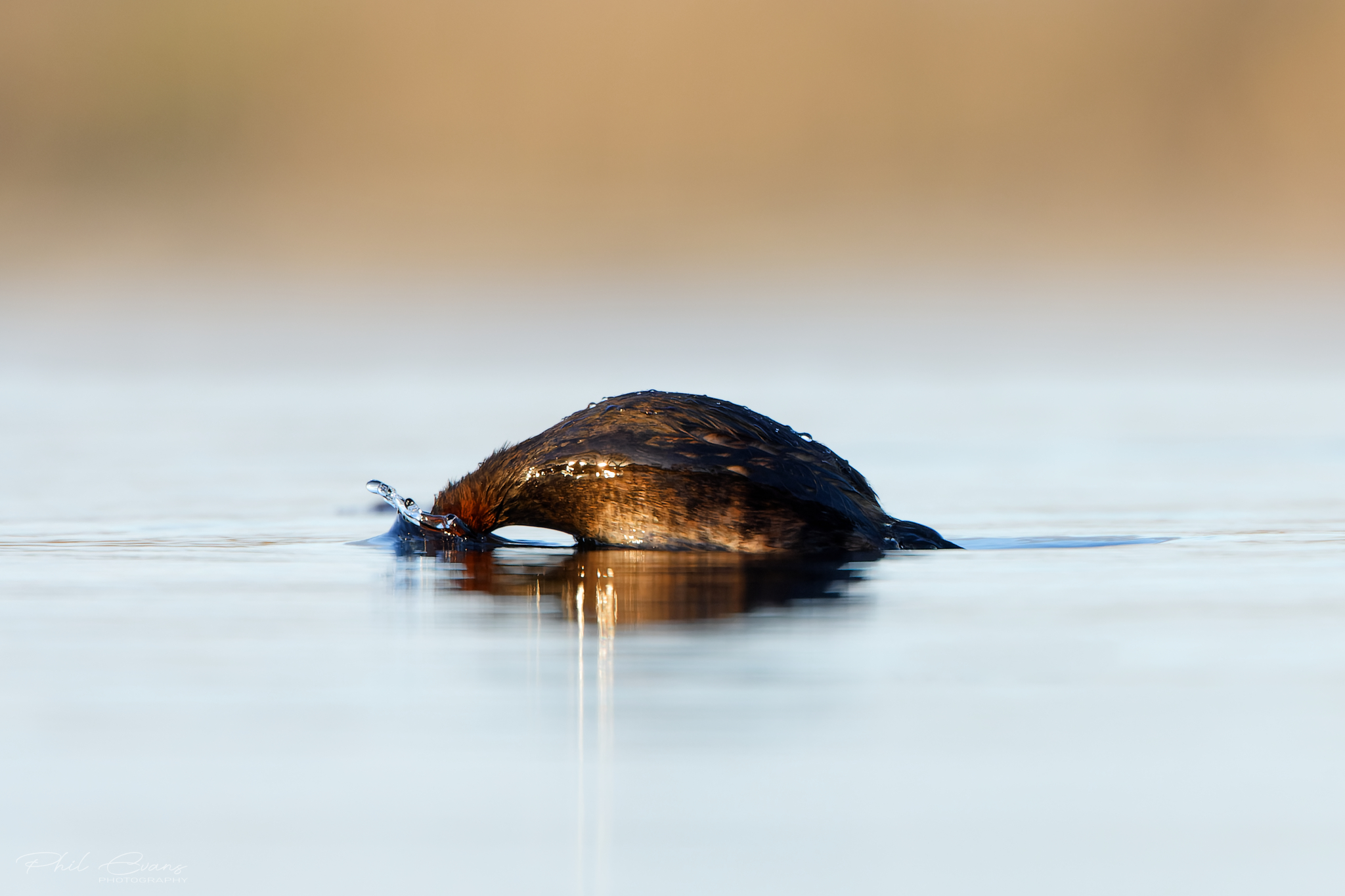
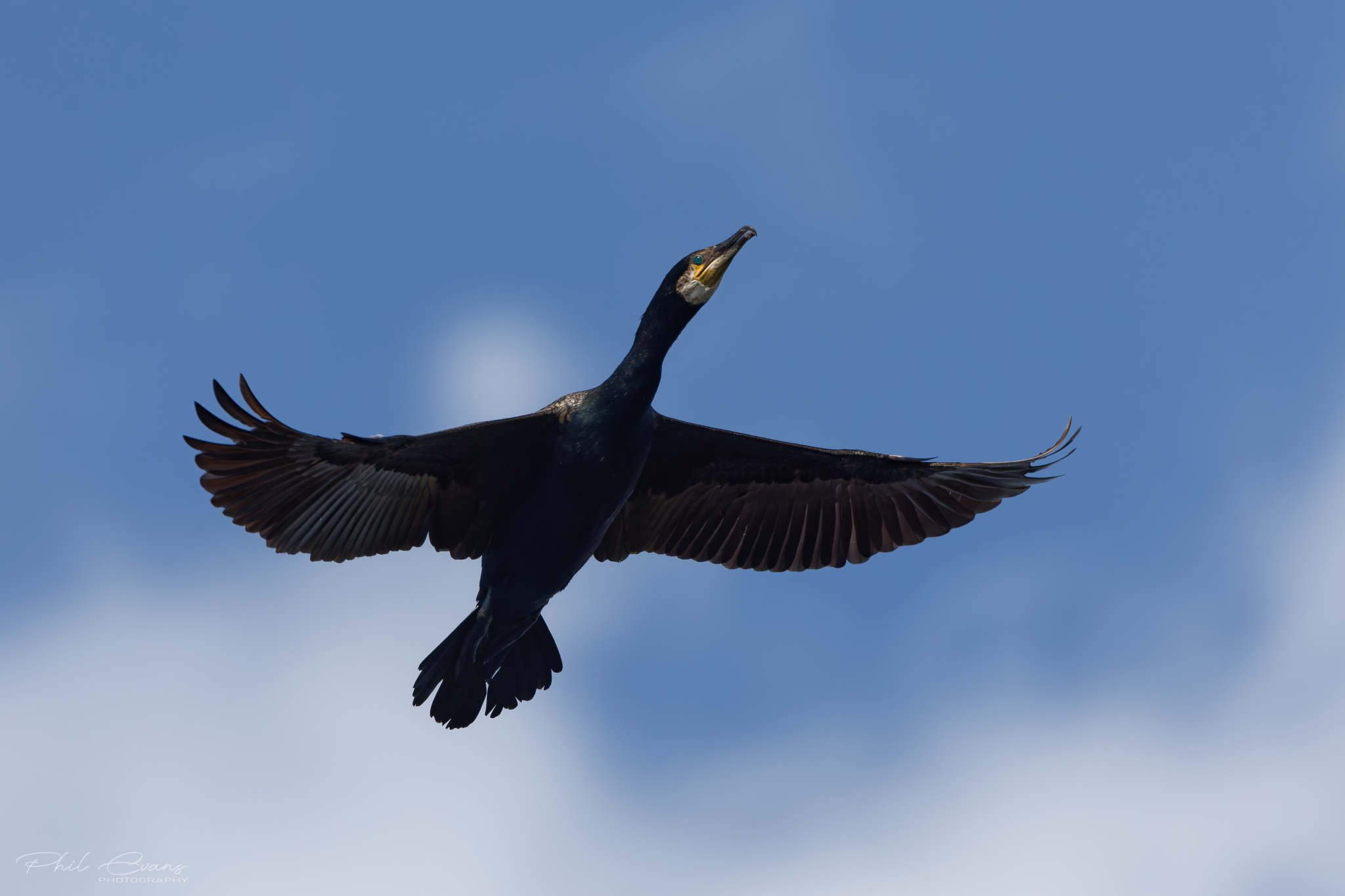
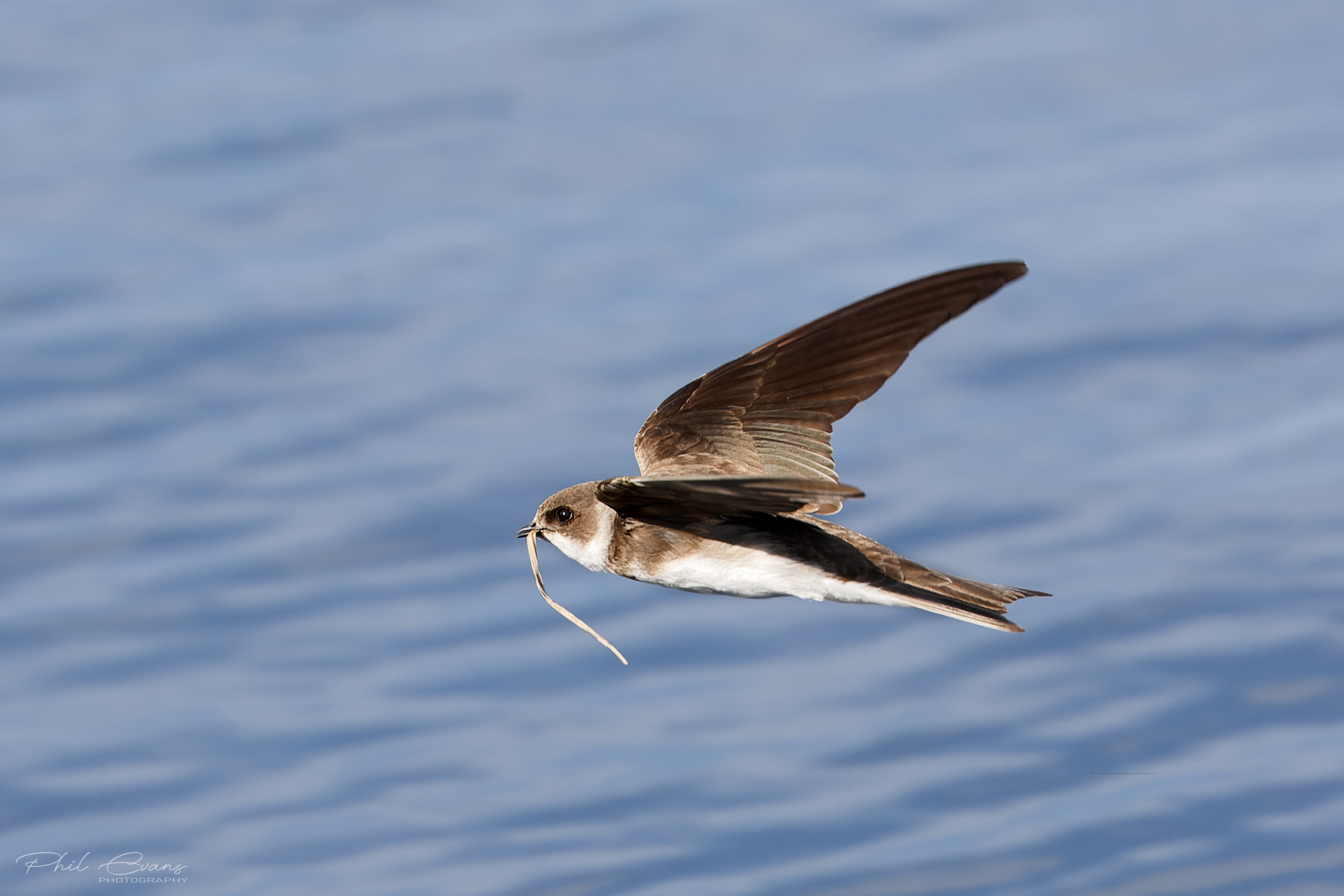
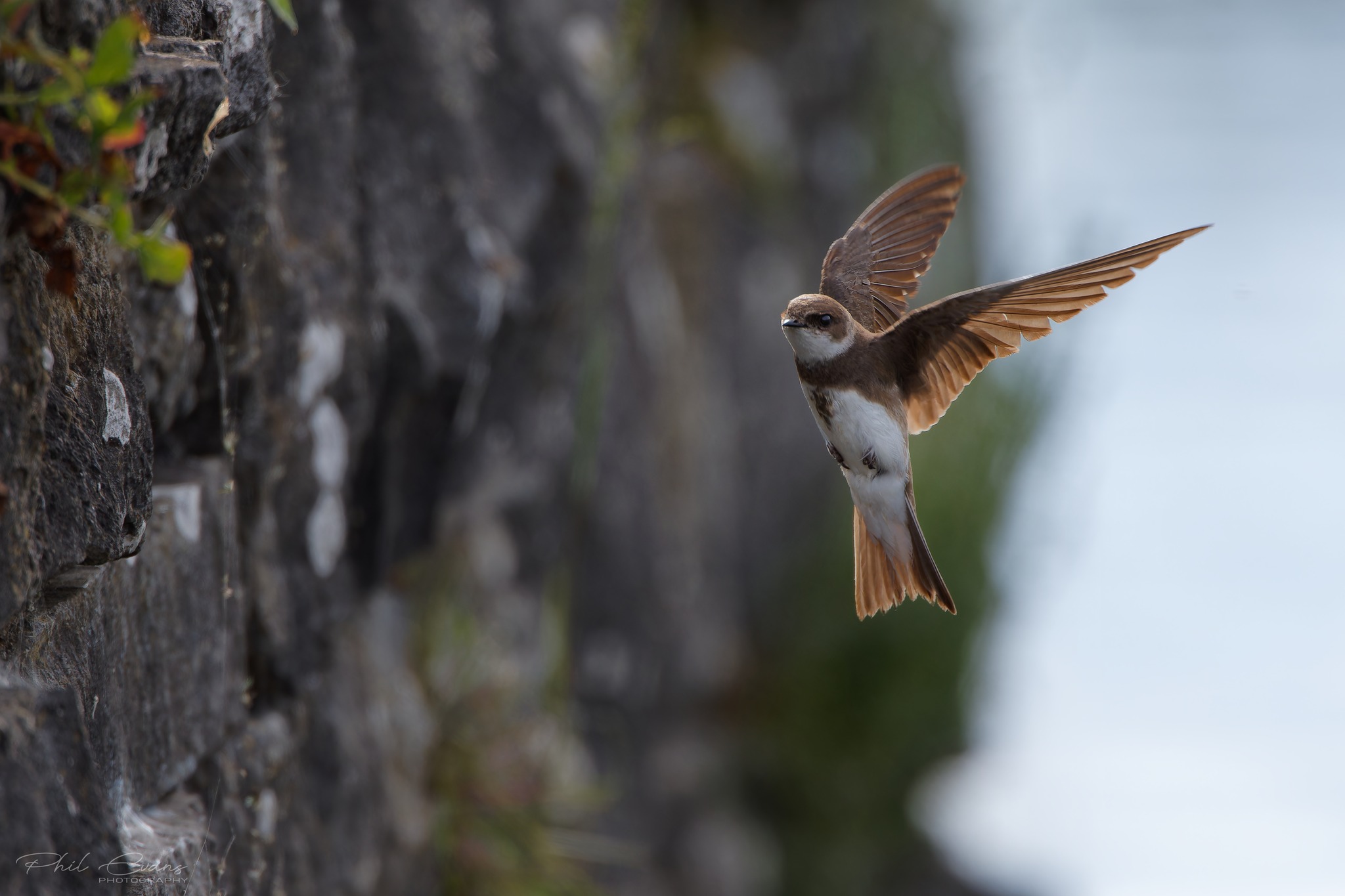
Living beside the lake, a boat was essential as it was our main means of transport for shopping, which was done once a week by my father who rowed the five miles to Galway, going by the “Old River”, which was shorter and more sheltered than the open lake. In later years, rowing was replaced by an outboard engine which made life a lot easier. Annagh itself is in a very scenic position and was very popular with families, mainly from Galway, who in summertime did a bit of fishing and then landed there for a picnic. We ourselves had the freedom, which we enjoyed, of getting to know the many different birds on the lake: swans, ducks, water hens, bald-coots, teal etc. On land, in our wood, we had other birds: woodcock, pheasant, pigeons, etc and, of course, the smaller hedgerow birds, blackbirds, thrushes, sparrows, robins etc. We got to know their different singing tones and calls.
For generations, local people understood the wetland landscape in a way that was practical and intimate. It was not a separate “habitat,” but part of daily life—providing food, fuel, transport routes, materials, and shelter.
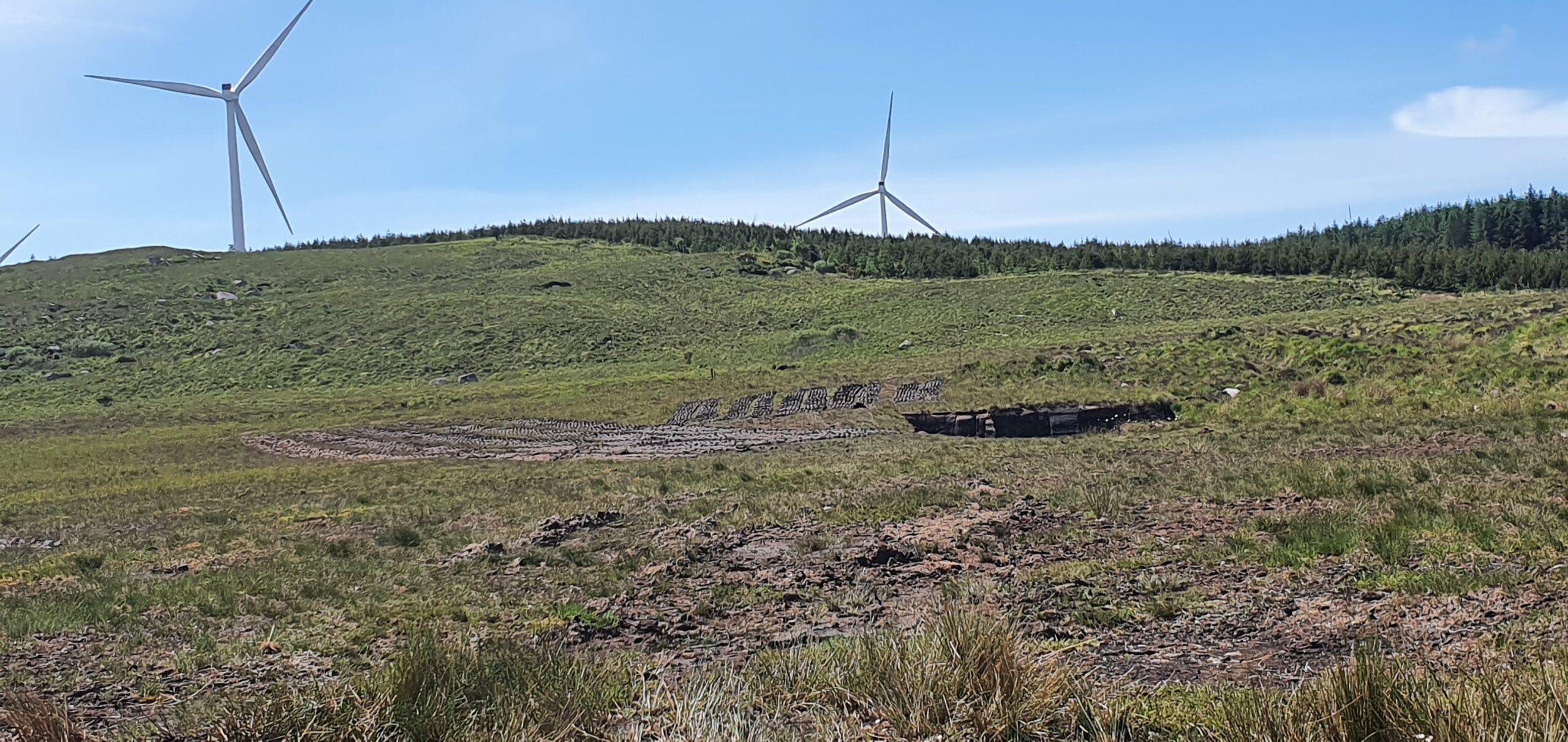
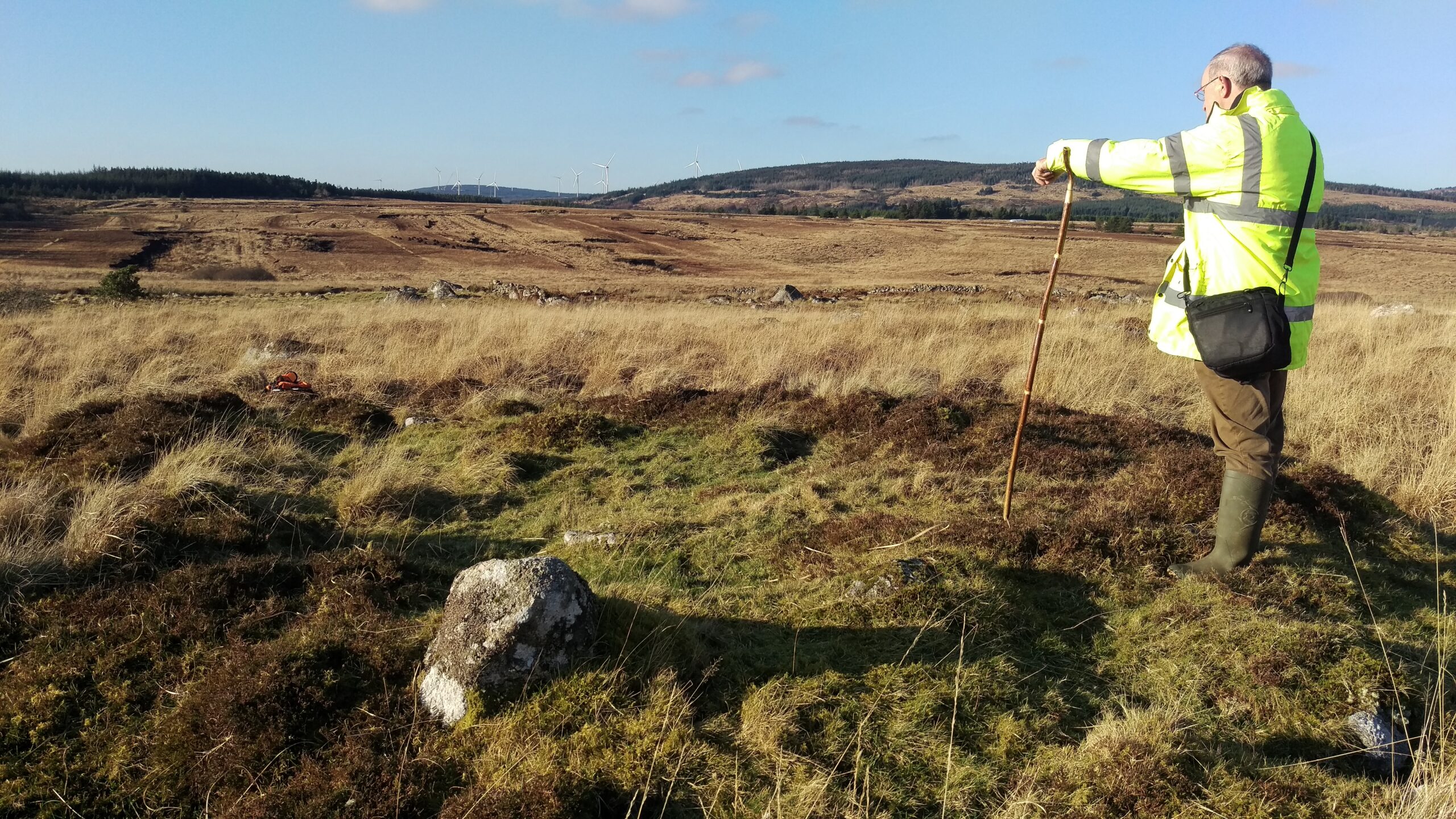
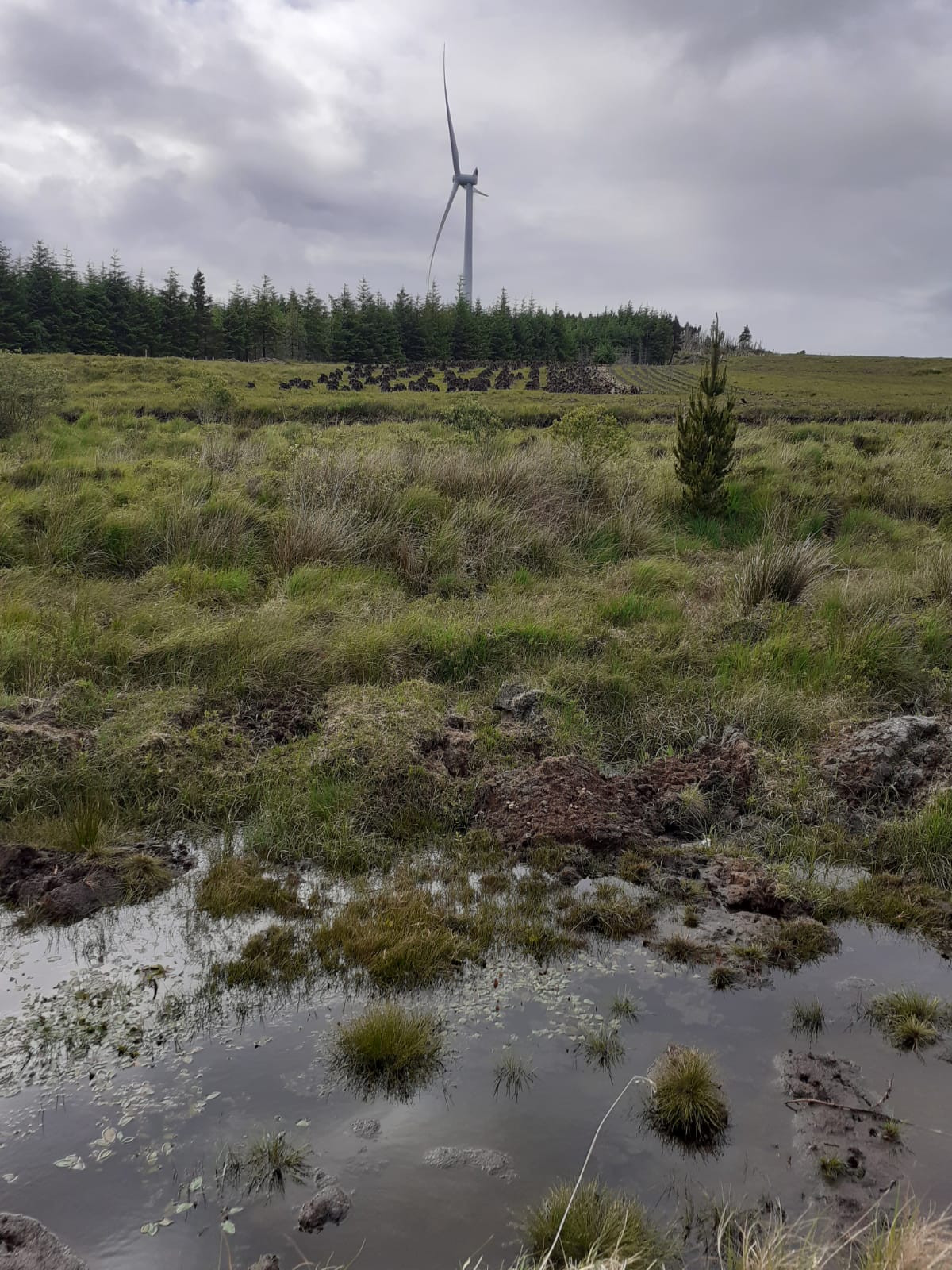
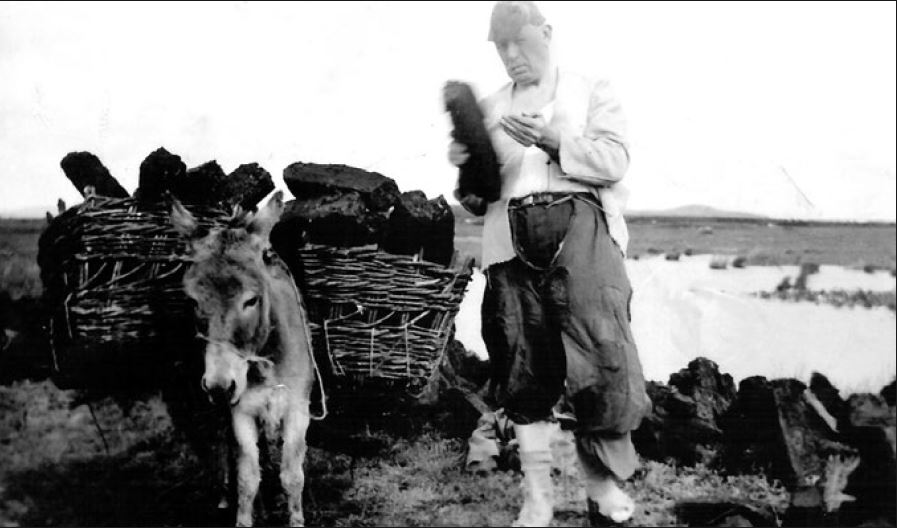
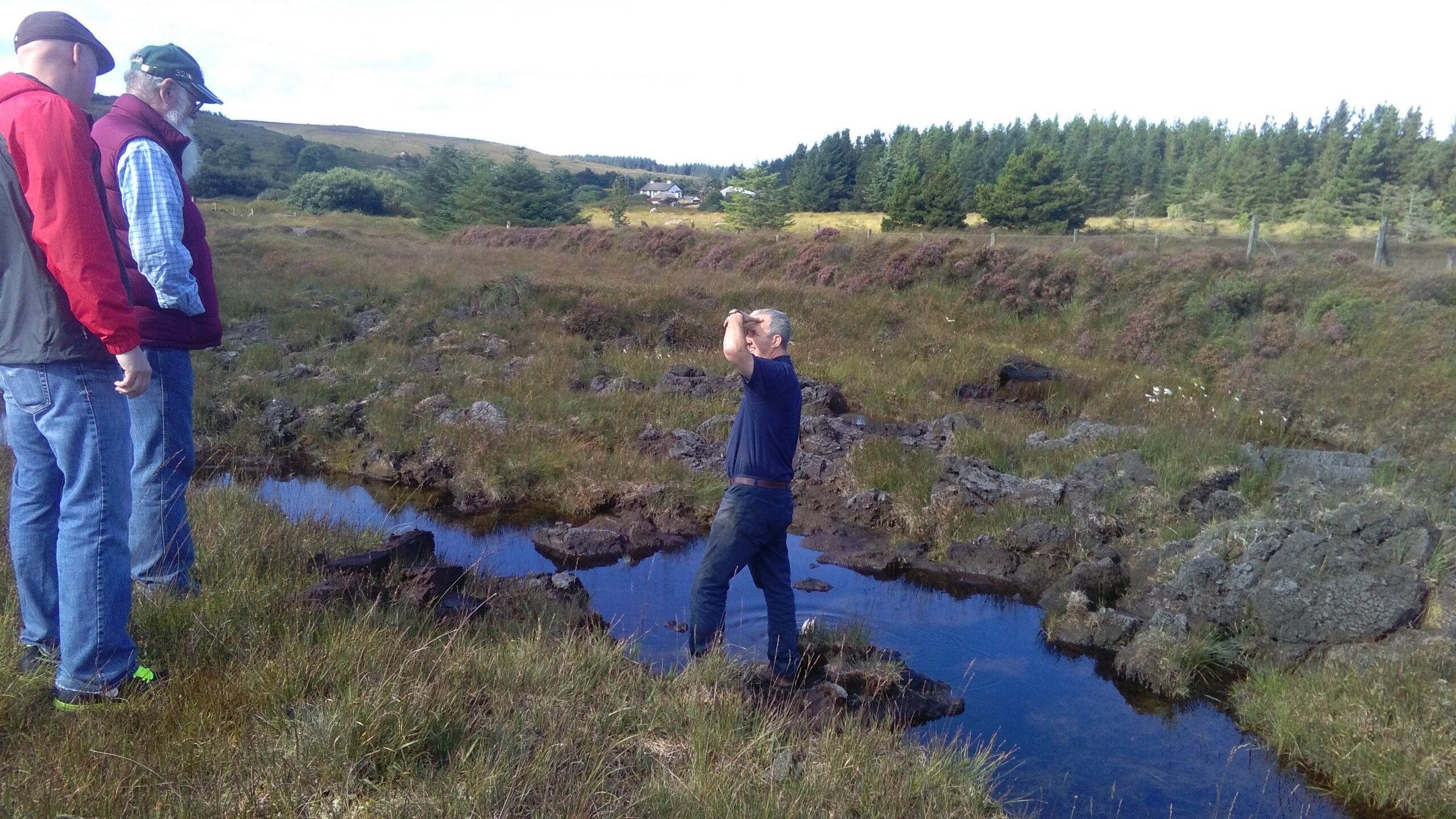
The bogs of Pollnaclocha townland were mentioned in the diary of an engineer sent from London in 1853 to survey the Martin Estate which had to be sold because of debt. He says that the bogs here were the only source of income for an impoverished people.
Traditional knowledge was built through careful observation:
- reading weather and water levels
- knowing safe crossings and seasonal flooding patterns
- identifying useful plants
- understanding when fish would run or birds would nest
- recognising the signs of healthy waters
This knowledge wasn’t written down in reports—it was shared through conversation, experience, and community memory.
Lough Corrib: A Wetland Landscape of National Importance
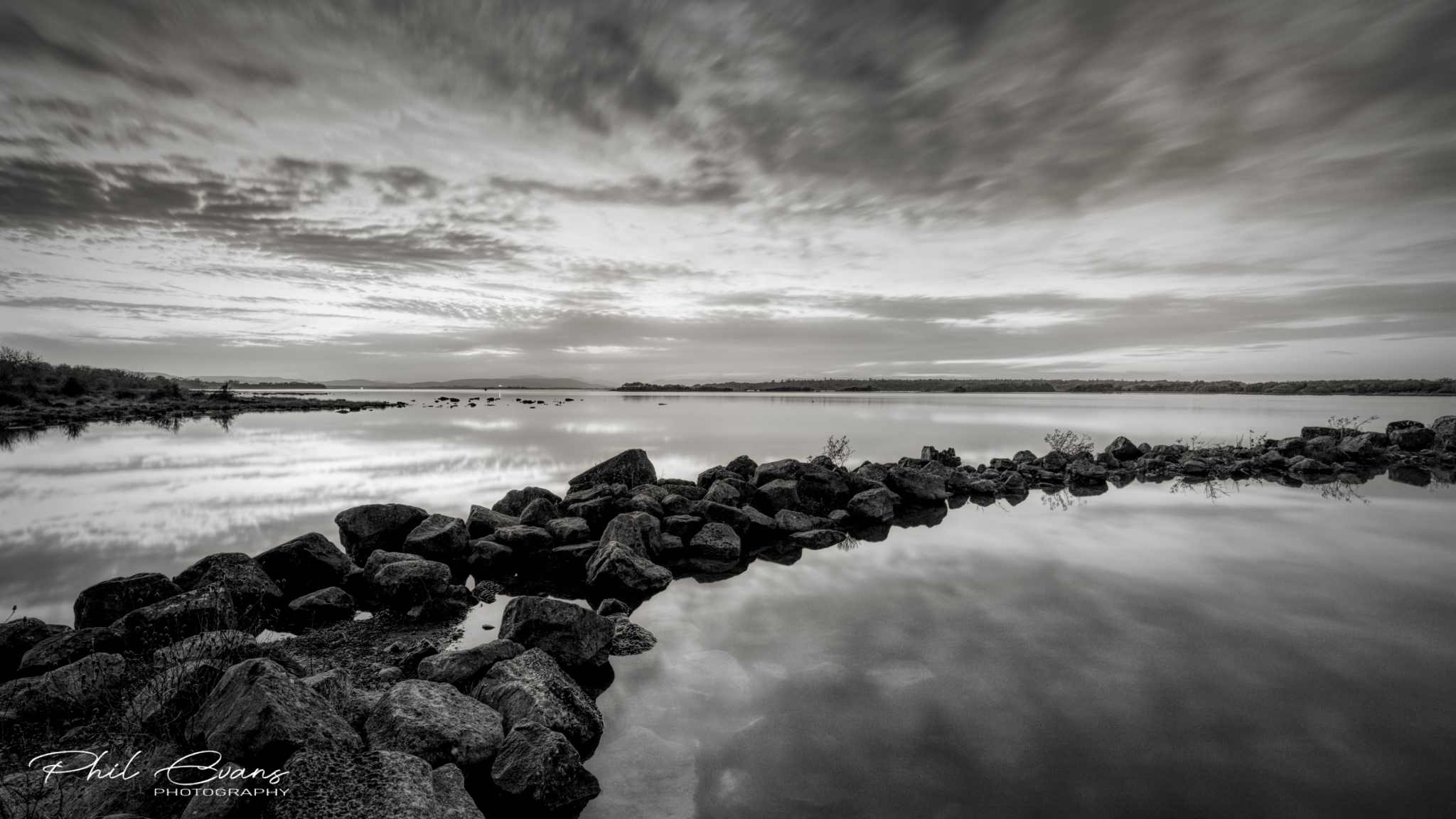
Lough Corrib is not only the great lake of our region—it is one of Ireland’s most significant freshwater systems, internationally recognised for its biodiversity and ecological value. Its shoreline, bays, reedbeds, and connected wetlands provide feeding and breeding habitats for birds, fish, amphibians, and aquatic plants.
But Lough Corrib is also a cultural landscape. In Moycullen, the lake is present not just in the scenery, but in the rhythms of life. The Corrib’s wetlands helped shape local traditions, seasonal work, and even the stories we tell about the place we call home.
The lake and its surrounding wetlands remind us that nature and heritage are not separate: they are woven together.
Traditional Skills Rooted in Wetland Knowledge
Fishing, Boats, and Watercraft
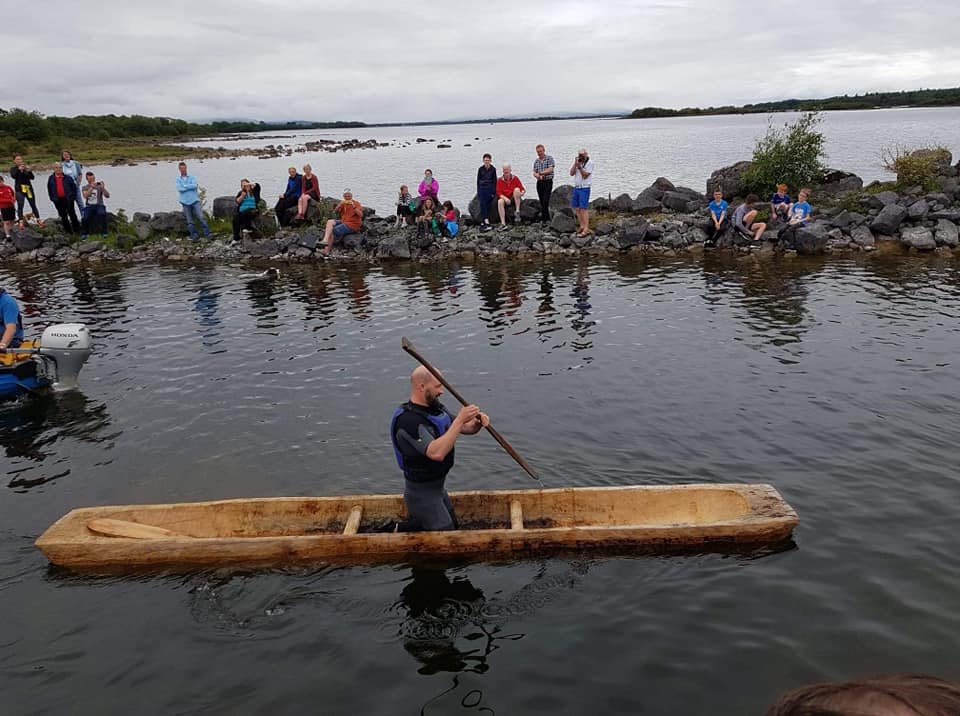
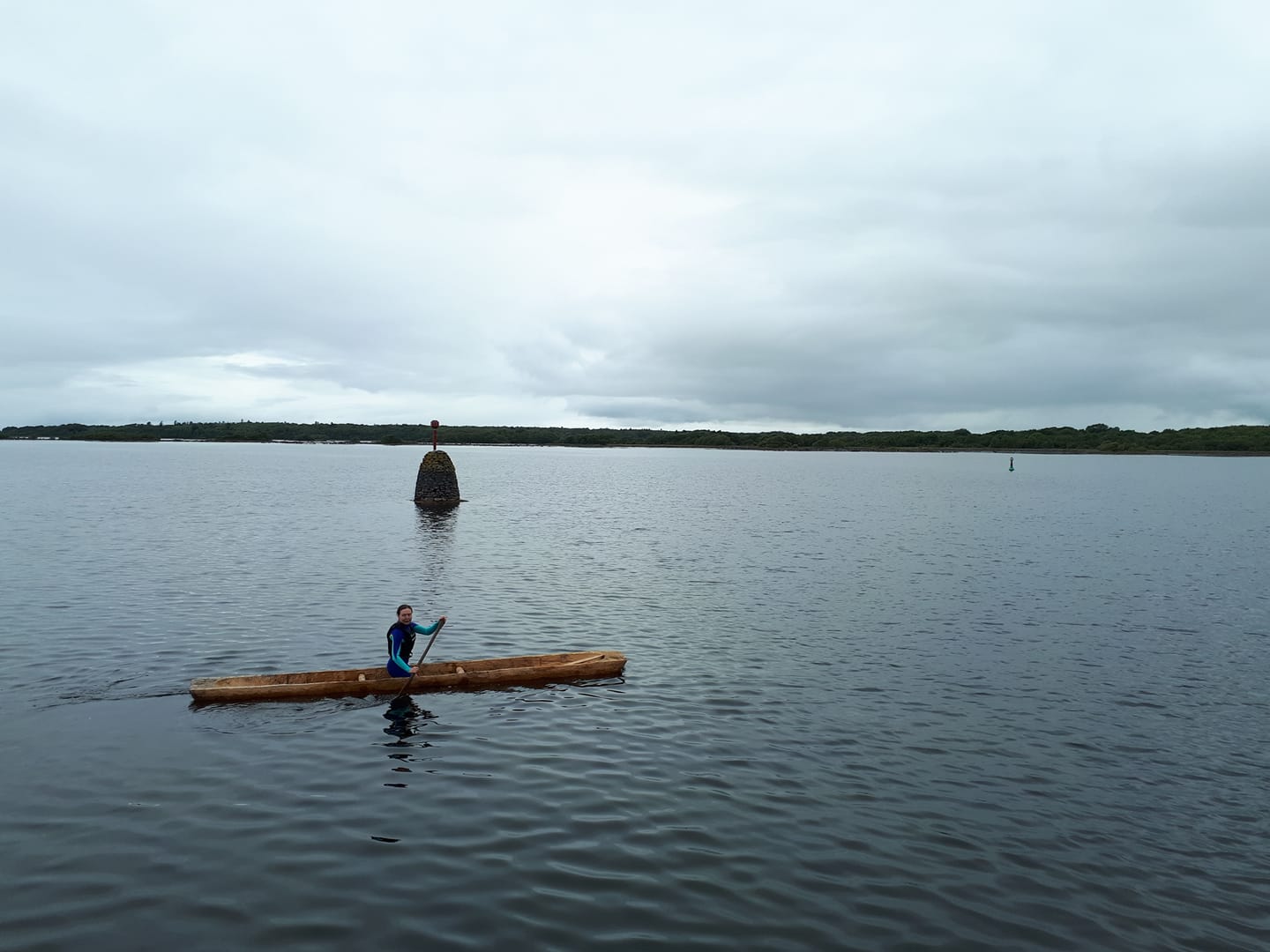
Lough Corrib has long supported traditional fishing, and with it came a body of knowledge about wind, water, shallows, currents, and shelter points. The craft of boating—both practical and social—formed an essential part of life around the lake.
Knowledge of the Corrib wasn’t only about where to fish, but how to travel safely:
- when to avoid open stretches of water
- how wind direction could change conditions rapidly
- where reeds, shallows, and hidden rocks lay beneath the surface
Even today, people who grew up near the Corrib often carry an instinctive respect for the lake’s power.
Wetland Plants and Materials
Wetlands provided more than food—they provided materials. Reeds, rushes, and willow could be used for weaving, thatching, and making simple tools and household items. Wet meadows offered grazing, while boglands nearby offered turf.
O’Donovan’ Field Name Books described Thumnasragh townland as “wet and Moorish” with very little land under cultivation – but reeds, locally called scallops, found along the lake and in low lying areas, were collected and used to make baskets that were sold at market. Clooniff families would gather at night to make these baskets which were prized for toting turf and produce.
Many older residents will remember local place-based knowledge such as:
- which ground could bear a cart or foot in winter
- which areas were “soft” and best avoided
- where springs rose even in dry seasons
- where animals could safely drink
These small understandings shaped everyday choices—and formed part of how people navigated their environment.
Farming the Wet Ground
In rural areas like Moycullen, farming was never only about fields—it was also about reading the land. Wet ground required careful timing, drainage knowledge, and an awareness of seasonal change.
Traditional knowledge included:
- recognising when land was too wet to work
- managing water without damaging soil
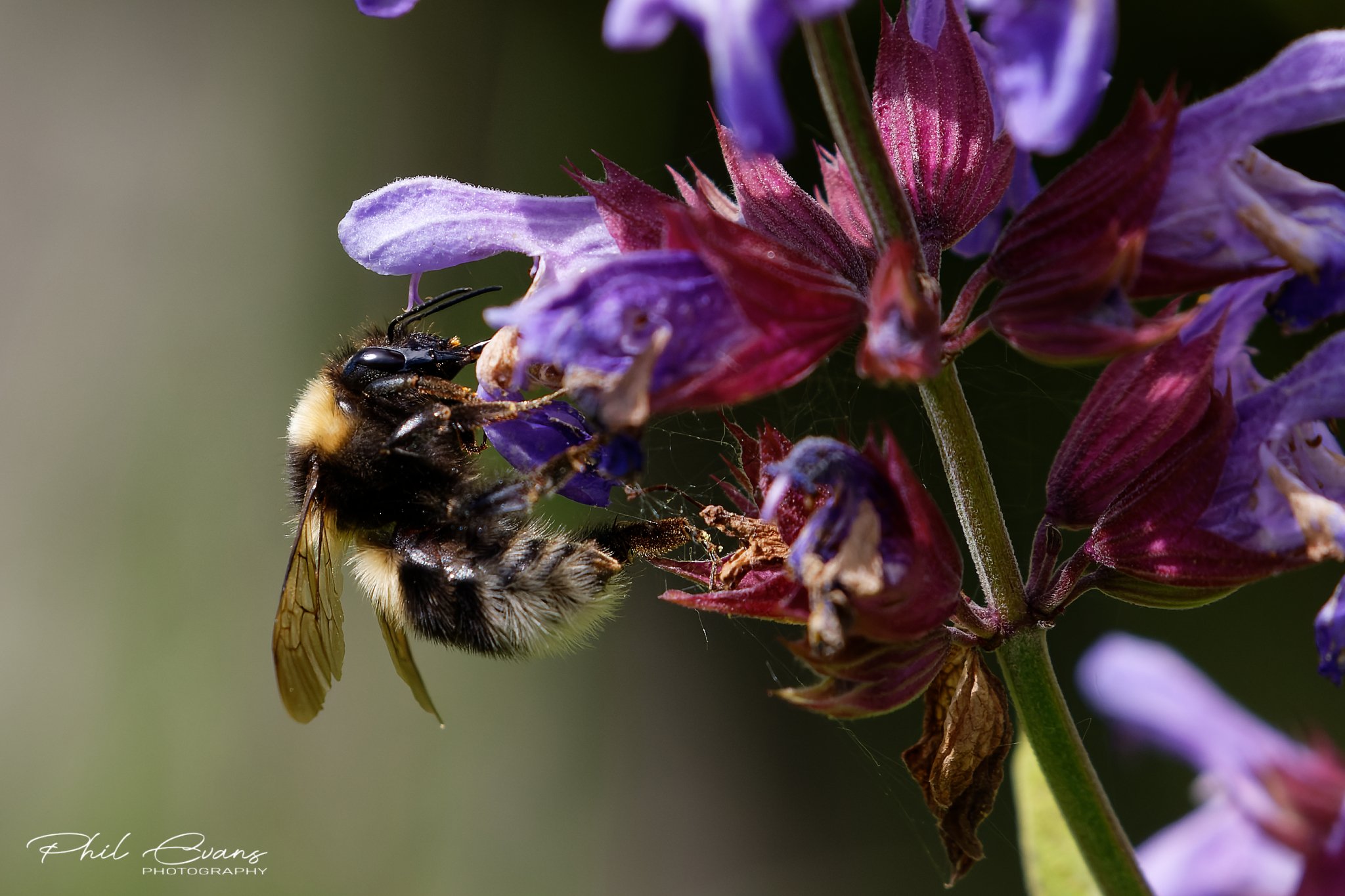
- respecting “wild corners” that sheltered birds and pollinators
- understanding that wetlands could be productive without being “improved”
In many ways, traditional farming practices often aligned naturally with conservation—because people understood that wetlands had their own role in the landscape.
Place Names, Folklore, and Memory in the Wetlands
Reminder of how wetlands shaped culture can be found in the Irish language itself. Place names around Moycullen and the Corrib often preserve descriptions of land and water: marshy places, fords, inlets, islands, and wet meadows.
Even where the meaning has faded from everyday use, the name remains like a map of older understanding.
Wetlands also feature strongly in Irish folklore—places of mystery, transformation, and deep time. Lakeshores, springs, and boggy ground were often seen as boundary places: between land and water, the known and unknown, the everyday and the sacred.
An Chaothach/Keagh townland, before the famine, had a big house lived in by a land agent called Duggan. When the house fell, the stones are said to have disappeared into the marshy ground.
Whether in story, song, or local recollection, wetlands were never merely “waste ground.” They were places of meaning.
Wetlands Today: Heritage Worth Protecting
World Wetlands Day is also a call to action. Across Ireland, wetlands have been lost through drainage, development, pollution, and changes in land use. When wetlands disappear, we lose not just habitats—but part of our shared story.
Around Moycullen and Lough Corrib, wetlands continue to play vital roles:
- filtering water that flows into the Corrib
- reducing flooding during heavy rainfall
- supporting wildlife including birds and aquatic life
- storing carbon and helping climate resilience
- keeping the landscape diverse and healthy
Protecting wetlands today honours not only nature, but the knowledge of those who lived alongside them for centuries.
Celebrating Cultural Heritage Through Wetlands
This year’s theme encourages us to value traditional ecological knowledge—the kind of knowledge rooted in lived experience, local observation, and respect for seasonal rhythms.
In Moycullen, celebrating wetlands can include:
- recording local stories and memories connected to wet places
- sharing old photographs of lake life and wetland work
- mapping traditional place names and their meanings
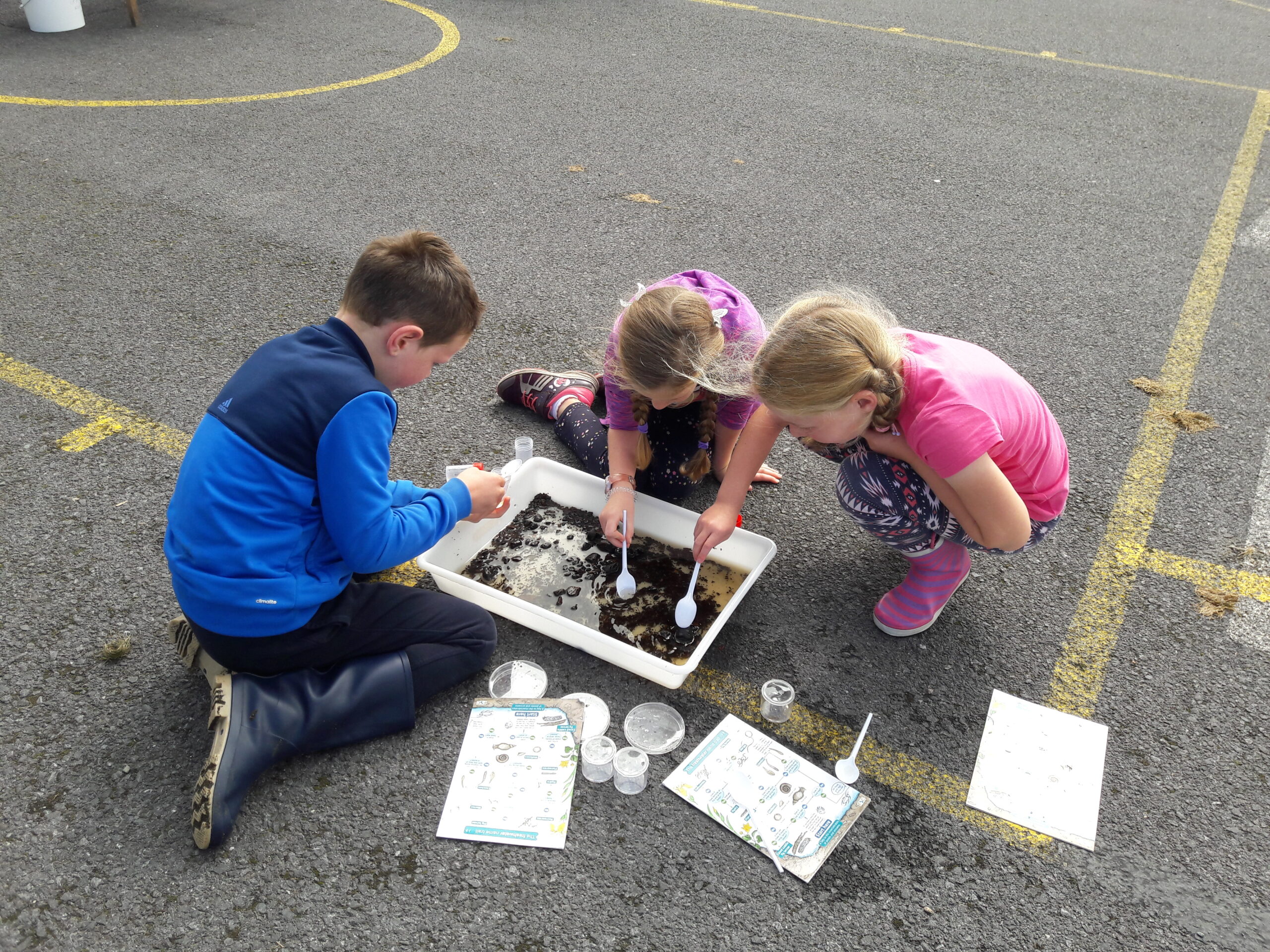
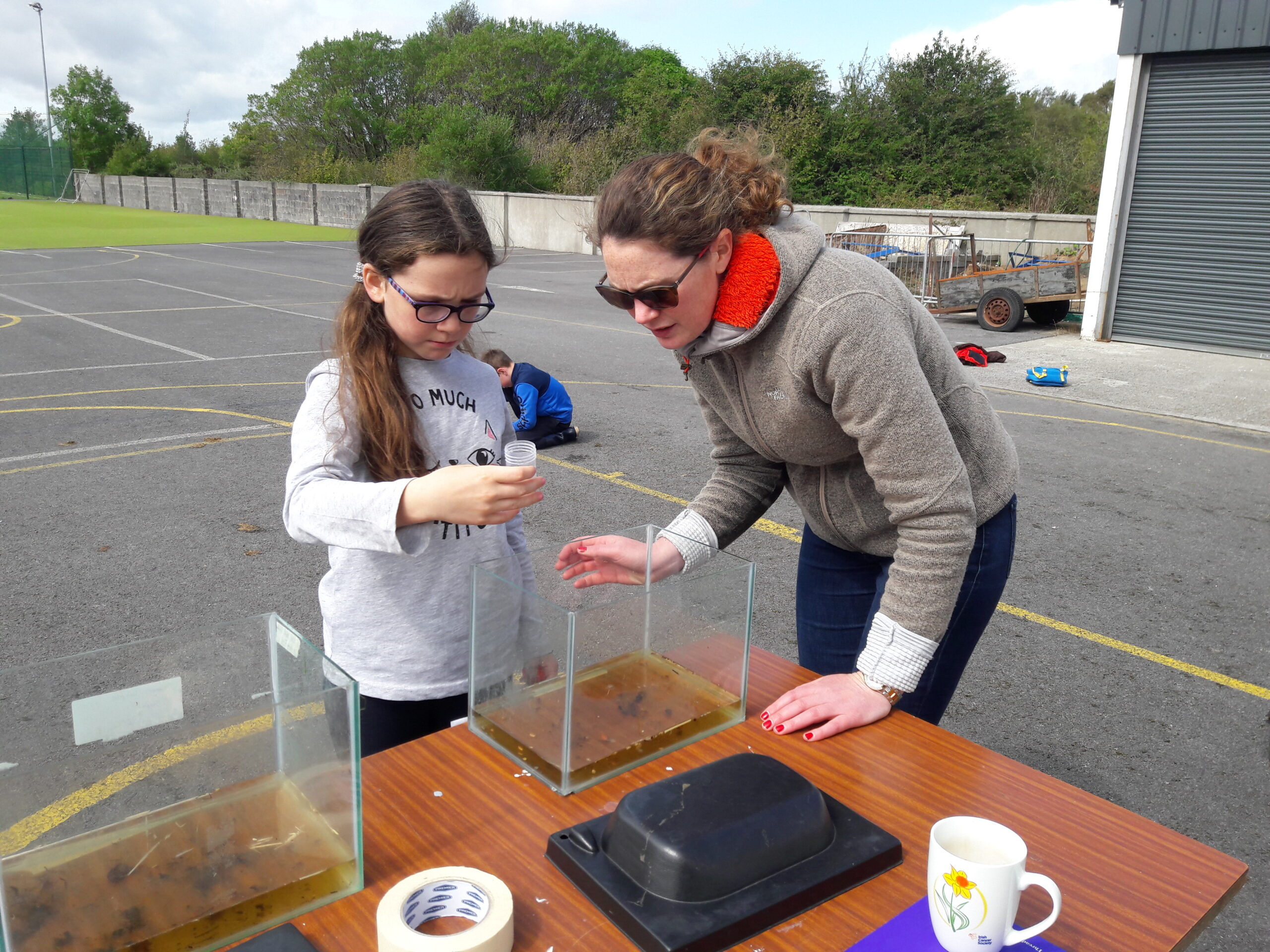
- encouraging school projects on local wetlands
- supporting responsible lake stewardship and habitat protection
- taking time to walk wetland edges and notice what lives there
Even a simple visit to the Corrib shoreline in winter can be a powerful reminder: wetlands are alive, shifting, and full of quiet richness.
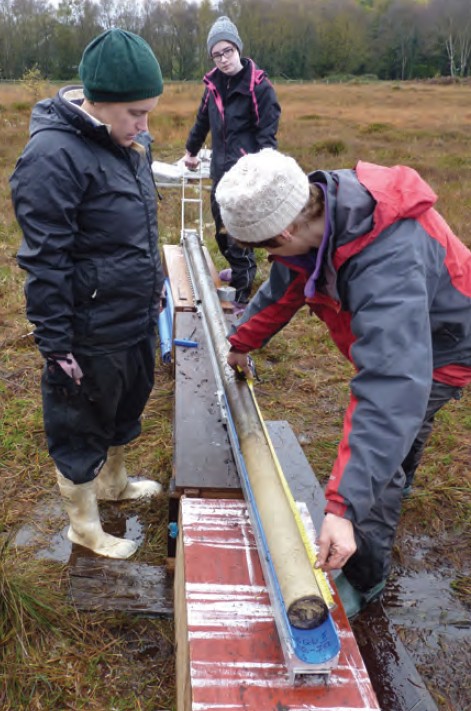
Corrib Beo are doing wonderful work locally throught their EcoEd4All programme, empowering transition year students to connect and explore the themes of Biodiversity, Climate Change, Water/Air Pollution, and Circular Economy in a natural outdoor setting.
A Local Invitation
On World Wetlands Day, 2 February, Moycullen Heritage invites everyone to look at our local landscape with fresh eyes. The wetlands of Moycullen and Lough Corrib are not only an environmental treasure—they are part of our cultural inheritance.
They hold the marks of those who came before us: in the routes taken, the skills learned, the names spoken, and the stories carried.
To protect wetlands is to protect a living heritage—one that connects nature, people, and place.
Let us celebrate our wetlands, and the traditional knowledge that has always understood their value.
No Comments
Add a comment about this page